
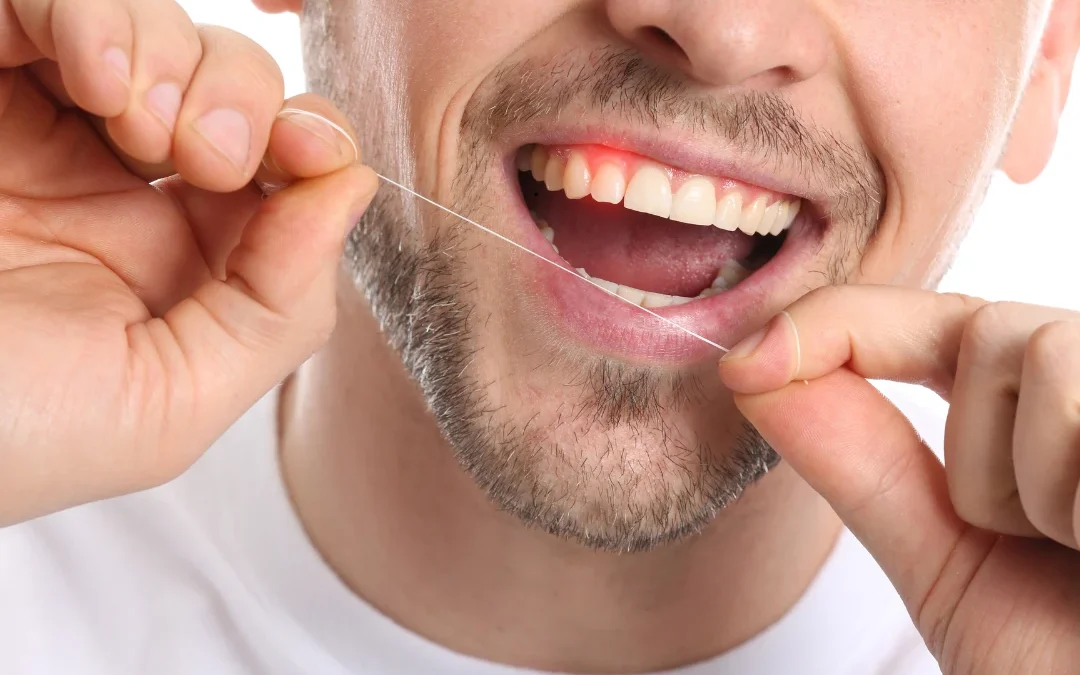
When it comes to maintaining a healthy smile, flossing often doesn’t get the attention it deserves. Brushing your teeth is usually the first thing that comes to mind when you think about oral hygiene, but flossing plays a critical role in preventing gum disease. In fact, flossing is one of the most effective ways to ensure that your teeth and gums stay healthy for years to come. Without proper flossing, bacteria, food particles, and plaque can build up in areas that your toothbrush simply can’t reach, leading to gingivitis, gum disease, and even tooth loss.
Did you know that nearly 42% of adults aged 30 years and older suffer from periodontitis, with 8% experiencing severe cases? Flossing plays a critical role in preventing this common condition, which can lead to significant oral health issues like tooth loss and gum disease. While brushing your teeth is important, it’s often not enough to remove plaque and bacteria from between your teeth. Flossing is one of the most effective ways to target these hard-to-reach areas, helping you maintain a healthy smile and avoid the serious consequences of gum disease.
What Is Flossing? Understanding the Basics of Dental Floss
Flossing involves using a thin thread, known as dental floss, to clean between your teeth. These areas are difficult to reach with a regular toothbrush, and plaque can build up here, eventually leading to gum disease and tooth decay. The basic goal of flossing is to remove this plaque and any trapped food particles from between the teeth and along the gumline, where harmful bacteria thrive.
There are several types of floss to choose from:
- Waxed floss: This type is coated with wax, making it easier to slide between your teeth. It’s great for people with tighter spaces between their teeth.
- Unwaxed floss: This floss doesn’t have the wax coating, so it may feel slightly less smooth, but it’s just as effective at removing plaque.
- Dental tape: A broader, flatter option that’s useful for people with wider spaces between their teeth.
- Floss picks: Handy tools that hold a small piece of floss and make it easier to floss for those with dexterity issues.
- Water flossers: A modern alternative to traditional floss, using a stream of water to remove debris from between the teeth.
Each type of floss has its own advantages, depending on your personal preference and dental needs. It’s important to choose the one that best fits your comfort level and helps you maintain a consistent flossing routine.
The Link Between Flossing and Gum Disease Prevention
Flossing is one of the most effective ways to prevent gum disease. Plaque, the sticky, colorless film that forms on your teeth, is home to harmful bacteria that can irritate your gums. When plaque isn’t removed, it hardens into tartar (or calculus), which can only be removed by a dental professional. Over time, tartar buildup can lead to gingivitis, the earliest stage of gum disease. Gingivitis is characterised by swollen gums, bleeding, and bad breath.
If gingivitis is left untreated, it can progress to periodontitis, a more severe form of gum disease that can cause tooth loss. The key to preventing gum disease is consistent and thorough oral hygiene, including regular flossing. Flossing removes plaque and bacteria from between your teeth, preventing it from turning into tartar and reducing the risk of developing gum disease.
In addition to removing plaque, flossing also stimulates the gums, which helps to keep them healthy. Regular flossing prevents the formation of biofilm (a sticky layer of bacteria) on your gums, which is crucial for maintaining healthy gum tissue. The benefits of flossing extend beyond just gum disease prevention; flossing plays a critical role in keeping your oral health in tip-top shape.
How Flossing Affects Your Oral Health
Flossing offers numerous benefits for your oral health. By removing plaque and food particles from between your teeth, flossing helps prevent tooth decay, reduces the risk of gingivitis, and even protects the delicate enamel on your teeth. Enamel is the outer layer of your teeth, and while it’s incredibly strong, it can be worn down by plaque buildup and bacteria. Flossing helps keep your enamel intact by preventing these harmful substances from collecting on your teeth.
Flossing also plays an important role in preventing bad breath (halitosis). When food particles get trapped between your teeth and aren’t removed, they can start to decay, leading to unpleasant odours. Flossing helps keep your breath fresh by removing these particles before they have a chance to break down and cause bad breath.
In addition to these benefits, regular flossing contributes to overall health. Studies have shown that gum disease can increase the risk of heart disease, diabetes, and respiratory illnesses. By maintaining good oral hygiene through flossing, you’re not only improving your oral health but also supporting your general well-being.
Flossing vs. Brushing: Why You Need Both
While brushing your teeth is essential for good oral hygiene, it’s important to understand that brushing alone can’t reach all areas of your mouth. A toothbrush is great for cleaning the surfaces of your teeth, but it can’t reach the spaces between them. This is where flossing comes in. Brushing and flossing work together to provide a comprehensive cleaning of your entire mouth.
Flossing reaches the areas between your teeth and along the gumline, where your toothbrush can’t reach. Without flossing, plaque can build up in these areas, leading to gum disease and tooth decay. Think of brushing as the first line of defence, and flossing as the second. When done together, they provide the best protection against oral health problems.
For the best results, it’s important to brush your teeth twice a day and floss once a day. This combination will help you maintain a clean, healthy mouth and keep gum disease at bay.
Choosing the Right Floss and Mastering the Proper Technique
Selecting the right type of floss is essential for effective oral care. With so many options available, it can be overwhelming to choose the one that best suits your needs. Let’s take a look at the different types of floss and help you decide which one might be the best fit for your mouth and dental habits.
Waxed Floss
Waxed floss is coated with a thin layer of wax, making it slide more easily between teeth. This type of floss is particularly helpful for people with tight spaces between their teeth. The wax coating also helps the floss glide smoothly and prevents it from shredding, making it a great option for beginners or anyone looking for a gentle, hassle-free flossing experience.
Unwaxed Floss
Unwaxed floss doesn’t have the coating, which means it’s a bit thinner and can slide into the spaces between teeth more easily. However, it might not glide as smoothly as waxed floss, and some people find it less comfortable, especially if they have tight spaces between their teeth. If you’re looking for a more eco-friendly option, unwaxed floss can be a good choice as it’s typically made from biodegradable materials.
Dental Tape
Dental tape is a broader, flatter type of floss, often used for people with larger gaps between their teeth. It’s more comfortable for those who feel traditional floss is too thin or harsh. It also works well for those with sensitive gums because its broad surface helps it glide gently along the gumline.
Floss Picks
Floss picks are an easy-to-use alternative for people who find it challenging to handle traditional floss. These small, plastic devices hold a piece of floss and allow you to floss without needing to wrap it around your fingers. While they can be more convenient, they might not reach as deeply between your teeth as traditional floss, so it’s essential to be thorough when using them.
Water Flossers
A water flosser uses a stream of water to remove plaque and food particles between your teeth. Water flossers are a great alternative for those who have braces or dental implants, as they can clean hard-to-reach areas. While they’re effective, they should be used in conjunction with regular flossing, as they don’t remove plaque as effectively as traditional floss.
When choosing the right floss, consider the size of the spaces between your teeth, the sensitivity of your gums, and whether you have any dental work like braces or implants. Consulting with a dental professional can help you make the best choice for your individual needs.
Proper Flossing Technique: How to Do It Right
To ensure you’re flossing effectively, it’s essential to use the correct technique. Here’s a step-by-step guide to help you floss properly and make the most of your oral care routine:
- Break Off the Right Amount of Floss
Start by cutting a piece of floss about 18 inches long. This gives you enough length to work with and allows you to use a clean section of floss for each tooth. - Hold the Floss Properly
Wrap the ends of the floss around your middle fingers, leaving about 2 inches of floss between them. Hold the floss tightly between your thumbs and forefingers, leaving enough slack to maneuver it between your teeth. - Gently Insert the Floss Between Your Teeth
Slide the floss between your teeth gently. Avoid snapping or forcing the floss into place, as this can hurt your gums. Move it up and down to clean both sides of each tooth. - Form a “C” Shape Around the Tooth
Once the floss is between your teeth, curve it into a “C” shape against one tooth. Gently slide the floss up and down along the tooth’s surface, making sure to reach just under the gumline. - Move to the Next Tooth
After cleaning one tooth, move the floss to the next one. Use a clean section of floss for each tooth to avoid transferring plaque and bacteria from one tooth to another. - Be Gentle
Flossing should never hurt. If you experience pain, you may be flossing too hard or not using the right type of floss. If your gums bleed regularly while flossing, it might be a sign of gingivitis, and you should consult with a dental professional.
By following this simple technique, you’ll remove plaque, bacteria, and food particles effectively, reducing the chances of gum disease and other oral health issues. For expert advice on flossing, gum disease prevention, or to schedule a dental check-up, reach out to Parramatta Green Dental today. Our team is ready to help you maintain a beautiful, healthy smile.
Tips for Maintaining a Consistent Flossing Routine
Flossing only works if it’s done consistently, but for many people, it can be easy to forget or skip flossing altogether. Here are some tips to help you stay on track and make flossing a regular part of your daily routine:
Set a Daily Reminder
If you often forget to floss, set a reminder on your phone or place a sticky note on your bathroom mirror to remind yourself. Making flossing part of your daily routine will eventually turn it into a habit.
Floss at the Right Time
The best time to floss is before bed, after eating dinner. This ensures that you’re cleaning the plaque and food particles from your teeth before you go to sleep. If you don’t have time at night, try flossing in the morning before you brush your teeth.
Use Flossing Tools
If traditional floss feels awkward or difficult to handle, consider using floss picks or a water flosser. These tools can make the process easier and more comfortable, especially for people with sensitive teeth or bad gag reflexes.
Be Patient
Don’t get discouraged if flossing feels difficult at first. With practice, you’ll improve your technique, and it will become a quicker, more natural part of your routine. Stick with it, and you’ll see the benefits over time.
The Long-Term Benefits of Flossing for Your Health
Flossing is often seen as a simple daily task, but its benefits extend far beyond just preventing gum disease. When incorporated into a proper oral hygiene routine, flossing can significantly improve your overall health in the long term. Let’s explore the key long-term benefits of flossing, not just for your mouth, but for your entire well-being.
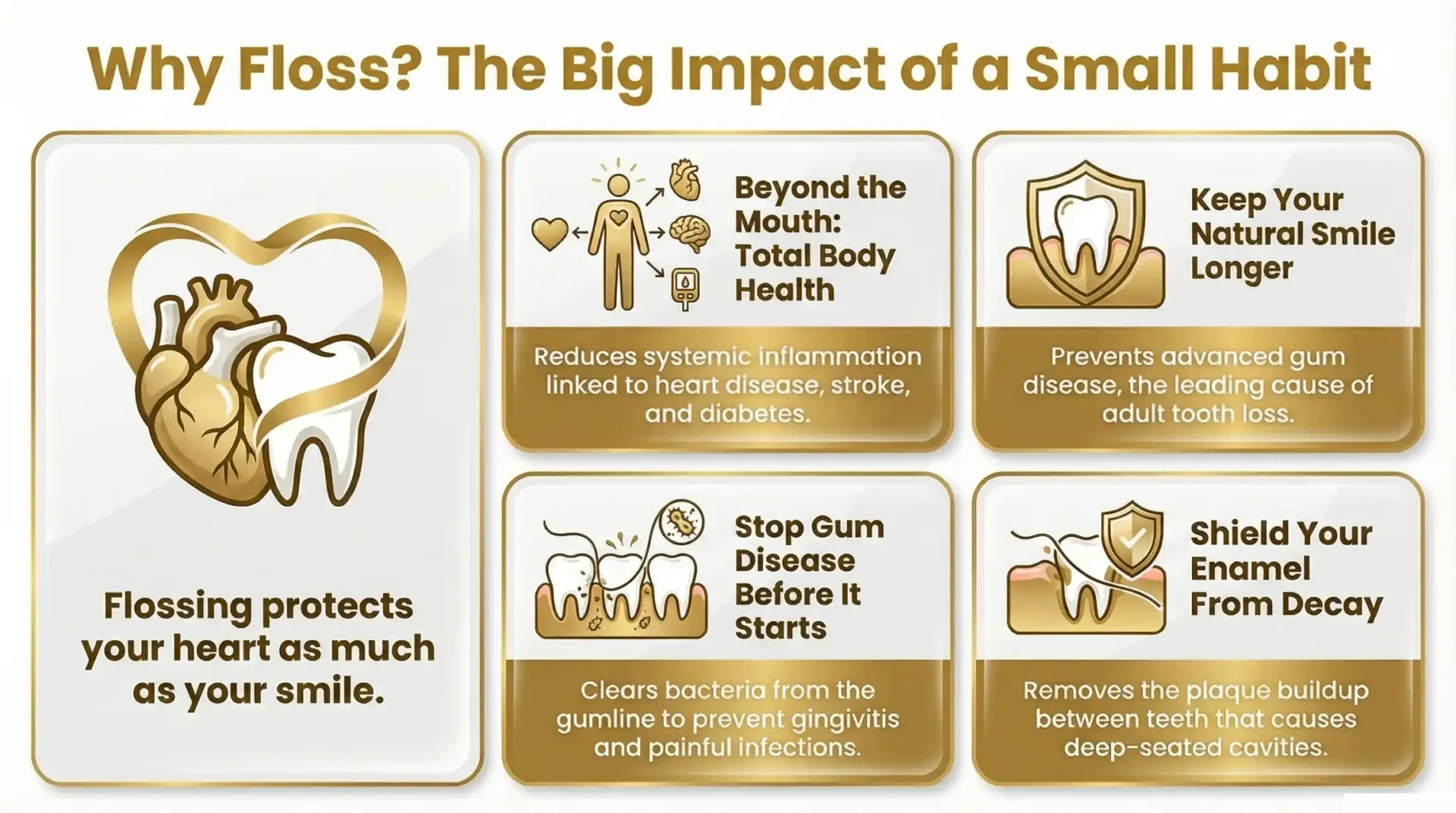
1. Prevents Tooth Decay and Cavities
By cleaning between your teeth and along the gumline, flossing removes the plaque that causes tooth decay and cavities. Plaque, a sticky substance formed from food particles and bacteria, can accumulate between teeth if not removed regularly. Over time, this buildup can lead to the destruction of tooth enamel, the protective outer layer of your teeth. Flossing helps prevent this by ensuring that bacteria and plaque don’t stay lodged between your teeth, reducing your risk of developing cavities.
2. Promotes Healthy Gums and Prevents Gum Disease
Flossing is one of the most effective ways to prevent gingivitis and periodontitis, two forms of gum disease that can lead to gum recession, tooth loss, and other serious dental issues. By removing plaque from areas that brushing can’t reach, flossing prevents bacteria from causing inflammation and infection in your gums. Healthy gums are vital for a healthy mouth, and regular flossing is key to maintaining that health.
3. Reduces the Risk of Tooth Loss
Tooth loss is often the result of untreated gum disease. When gingivitis progresses to periodontitis, the infection can cause significant damage to the tissues that support your teeth, eventually leading to tooth loss. Regular flossing helps keep your gums healthy, which in turn protects your teeth from loosening or falling out due to advanced gum disease. It’s much easier to keep your natural teeth healthy with consistent flossing than to rely on expensive treatments like dental implants or dentures later on.
4. Improves Bad Breath
Flossing helps prevent food particles from getting trapped between your teeth, which can otherwise contribute to bad breath (also known as halitosis). By removing food debris and plaque, you eliminate the bacteria responsible for causing unpleasant odours. Flossing also helps to ensure that your mouth stays fresh, contributing to a more pleasant and confident smile.
5. Reduces the Risk of Systemic Health Problems
Did you know that flossing may have a positive impact on your overall health? Studies have shown that gum disease is linked to serious health problems, including heart disease, stroke, diabetes, and even respiratory illnesses. When you take care of your gums by flossing, you’re not just improving your oral health – you’re also supporting your heart health, reducing inflammation throughout your body, and potentially lowering your risk of developing other chronic conditions.
By preventing gum disease with regular flossing, you’re also contributing to better overall health. Flossing isn’t just a good habit for your mouth; it’s a simple way to improve your entire well-being.
Flossing Myths: Debunking Common Misconceptions
There are several misconceptions about flossing, and many people believe they can skip it without any consequences. Let’s address some of the most common flossing myths and set the record straight.
Myth #1: Flossing Isn’t Necessary if I Brush Well Enough
While brushing your teeth is a vital part of maintaining oral hygiene, it’s not enough on its own. A toothbrush is designed to clean the surfaces of your teeth, but it can’t reach the tiny gaps between them where plaque and bacteria tend to accumulate. Flossing is necessary to remove food particles and plaque from these hard-to-reach spaces, and without it, you risk developing gum disease and tooth decay. To ensure a truly clean mouth, brushing and flossing should go hand-in-hand.
Myth #2: Flossing Causes Gum Damage
Many people avoid flossing because they’re concerned it might damage their gums. While it’s true that flossing improperly or too aggressively can cause harm, flossing itself doesn’t damage healthy gums. In fact, flossing can actually improve your gum health by removing plaque that could otherwise lead to gingivitis and periodontitis. If you’re experiencing discomfort or bleeding while flossing, it’s likely a sign that your gums are inflamed due to existing plaque buildup. Be gentle when flossing, and ensure you’re using the correct technique. If bleeding continues, consider seeing a dental professional for guidance.
Myth #3: Flossing Is Too Time-Consuming
Many people find flossing to be time-consuming and tedious. However, flossing doesn’t take long once you get into the habit of it. In fact, it only takes a few minutes each day to ensure that your teeth and gums remain healthy. The benefits of flossing far outweigh the minimal time investment, and once it becomes part of your routine, it will feel like second nature.
Myth #4: Flossing Doesn’t Really Make a Difference
Some people believe that flossing isn’t as effective as advertised, but the truth is that flossing is one of the most scientifically proven methods of preventing gum disease and tooth decay. According to research by the American Dental Association (ADA) and dental experts, flossing regularly significantly reduces plaque buildup, lowers the risk of gingivitis, and improves overall oral health. The benefits of flossing are well-documented, and it’s a simple yet effective way to protect your smile.
Frequently Asked Questions (FAQ) About Flossing and Gum Disease
How does flossing prevent gum disease?
Flossing helps remove plaque and food particles from between your teeth and along your gumline. By preventing plaque buildup, flossing reduces the risk of gingivitis and periodontitis, the two main stages of gum disease.
Does flossing really help with bad breath?
Yes! Flossing removes food particles and plaque from between your teeth, which can trap bacteria that contribute to bad breath. By flossing regularly, you can keep your breath fresh and reduce the chances of halitosis.
How often should I floss?
It’s recommended that you floss at least once a day. Most people choose to floss before bed to ensure that their teeth are free from plaque and food particles before going to sleep.
What if I don’t floss daily?
Skipping flossing can lead to the buildup of plaque and tartar between your teeth, increasing your risk of gum disease, tooth decay, and even tooth loss. It’s important to make flossing a regular part of your daily oral hygiene routine.
Can flossing reverse gingivitis?
Yes, in many cases, gingivitis can be reversed with proper flossing and brushing. By removing plaque from between your teeth, you can stop the progression of gingivitis and restore gum health.
Conclusion: Keep Your Smile Healthy by Flossing Daily
Flossing is a simple yet incredibly powerful tool in maintaining oral health and preventing gum disease. By removing plaque and bacteria from between your teeth and along the gumline, flossing helps protect your gums from inflammation and infection, reduces the risk of tooth decay, and keeps your breath fresh. With the long-term benefits it provides, flossing should be an essential part of your daily routine.
If you haven’t already made flossing a daily habit, now is the time to start. By incorporating flossing into your oral hygiene routine, you’re not just taking care of your teeth; you’re also protecting your overall health. Remember, a healthy mouth leads to a healthy body.
If you’re ever unsure about the best flossing technique or which type of floss is right for you, consult with your dental professional. At Parramatta Green Dental, our team of experts can help guide you through the process and ensure that your oral health is on track. Don’t wait for gum disease to take hold, floss today for a healthier tomorrow.
References
Cdcgov oral-health: Periodontitis in adults
https://www.cdc.gov/oral-health/data-research/facts-stats/fast-facts-gum-disease.html#:~:text=Nearly%20half%20(42%25)%20of%20all%20adults%20aged%2030%20years%20and%20older%20have%20periodontitis.%20Severe%20periodontitis%20affects%20about%208%25%20of%20adults.