

Red swollen gums are a common oral health issue that many people experience at some point in their lives. These symptoms, often accompanied by bleeding gums, bad breath, or tooth sensitivity, can be alarming. While occasional gum swelling may not be a cause for concern, persistent red, swollen gums can be an early sign of more serious conditions, such as gingivitis or periodontitis.
Understanding the causes of swollen gums and the appropriate treatment options is essential for maintaining good oral health. If left untreated, gum disease can lead to severe complications, including tooth loss and bone damage. In this article, we will explore the most common causes of red swollen gums, offer effective remedies for relief, and provide tips on preventing gum disease from progressing.
What Causes Red Swollen Gums?
Red swollen gums are often caused by an underlying oral health issue, typically related to the accumulation of plaque or tartar on the teeth. However, several other factors can contribute to gum irritation and inflammation. Let’s dive deeper into the most common causes:
1. Poor Oral Hygiene and Plaque Buildup
One of the primary causes of red, swollen gums is poor oral hygiene. When you don’t brush and floss regularly, plaque, a sticky, colourless film of bacteria, builds up on your teeth and gums. Plaque eventually hardens into tartar or calculus, which can irritate and inflame the gums, causing them to become swollen and red. This condition is known as gingivitis, the earliest stage of gum disease.
Gingivitis is often accompanied by bleeding gums, especially when brushing or flossing. The good news is that gingivitis is reversible with proper care, including regular cleaning by a dentist and improved oral hygiene at home.
2. Gum Disease (Gingivitis and Periodontitis)
If gingivitis is left untreated, it can progress to periodontitis, a more advanced and severe form of gum disease. In periodontitis, the infection spreads deeper into the gums and affects the bone that supports your teeth. This stage is more serious and may lead to gum recession, bone loss, and tooth mobility.
In periodontitis, the gums may become increasingly swollen, and the pockets between your teeth and gums deepen, trapping bacteria and making the infection harder to control. The condition may also cause pus to develop in the gum pockets, further aggravating the swelling.
3. Hormonal Changes
Hormonal fluctuations can significantly affect gum health. For example, during pregnancy, puberty, menstruation, and menopause, hormonal changes can increase blood flow to the gums, making them more sensitive and prone to swelling. This is why pregnancy gingivitis is a common condition for expectant mothers, where the gums become inflamed, red, and prone to bleeding.
These changes can also make the gums more vulnerable to infection, leading to an increased risk of gum disease. It is important for people experiencing hormonal shifts to be extra diligent about oral hygiene to prevent gingivitis and other oral health issues.
4. Smoking and Tobacco Use
Smoking and using tobacco products are significant risk factors for gum disease. Tobacco reduces blood flow to the gums, which weakens the immune system and makes it harder for the body to fight off infections. Smokers are more likely to develop gingivitis and periodontitis, and they may experience more severe symptoms.
Smoking can also cause gum recession, making the gums appear swollen and red. Quitting smoking can dramatically improve gum health and reduce the risk of gum disease.
5. Medications and Drug Side Effects
Certain medications can cause gum swelling as a side effect. For example, drugs like phenytoin (used to treat epilepsy) and calcium channel blockers (used for high blood pressure) are known to cause gingival overgrowth or swelling. This swelling occurs because these medications cause the gums to grow larger than normal, creating a red, inflamed appearance.
Additionally, immunosuppressants, which are often prescribed to people undergoing organ transplants, can weaken the body’s ability to fight infections, making the gums more prone to inflammation.
6. Poor Nutrition and Vitamin Deficiency
A lack of essential vitamins in your diet, particularly Vitamin C, can also lead to swollen gums. Vitamin C deficiency, also known as scurvy, causes the gums to become swollen, inflamed, and prone to bleeding. Vitamins are crucial for gum tissue repair and immune function, so a diet lacking in these vitamins can lead to gum disease. Ensuring a well-balanced diet rich in fruits and vegetables is key to preventing gum inflammation and maintaining healthy gums.
How to Manage and Treat Red Swollen Gums Effectively
Once you identify the causes of red swollen gums, it’s important to act quickly to prevent further complications, such as gum disease and tooth loss. In this section, we’ll explore different treatment options, ranging from home remedies to professional care, that can help you manage gum inflammation and ensure long-term gum health.
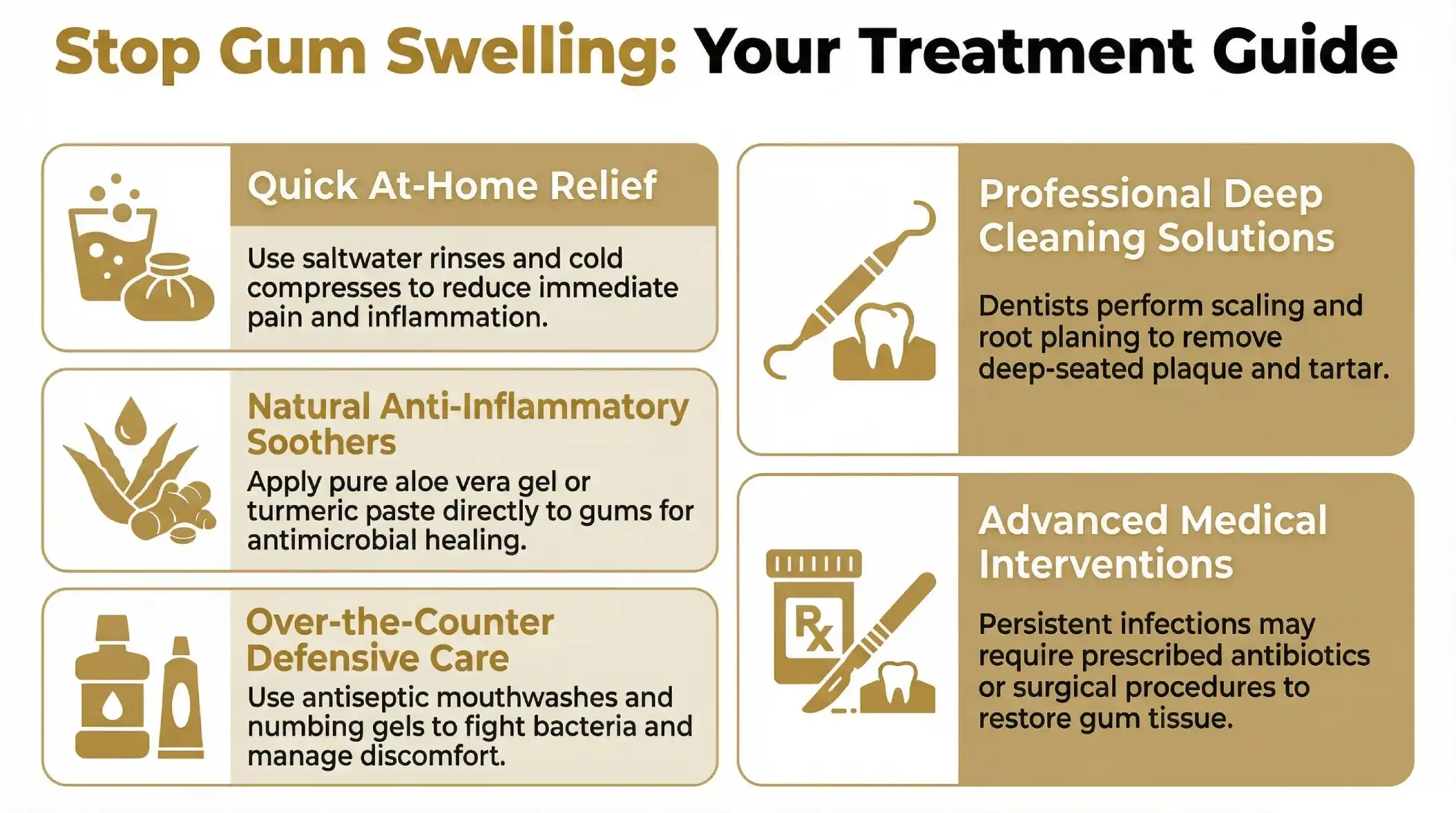
1. At-Home Remedies for Managing Swollen Gums
For mild cases of red, swollen gums, home remedies can provide temporary relief and reduce inflammation. While these remedies are not a substitute for professional dental care, they can be highly effective when used alongside proper oral hygiene.
Saltwater Rinse
One of the simplest and most effective remedies for swollen gums is a saltwater rinse. This remedy helps cleanse the mouth, reduce inflammation, and kill bacteria. Simply dissolve a teaspoon of salt in warm water and swish it around your mouth for about 30 seconds. This rinse can be done multiple times a day to help manage gum irritation and reduce gum swelling.
Cold Compress
Applying a cold compress or ice pack to the affected area of the cheek can help alleviate pain and swelling. The cold reduces blood flow to the area, providing temporary relief from gum discomfort. Apply the compress for about 10-15 minutes several times a day, making sure to use a cloth or towel to avoid direct contact with the skin.
Aloe Vera Gel
Aloe vera is known for its anti-inflammatory and healing properties. Applying pure aloe vera gel directly to the swollen gums can help soothe irritation and reduce swelling. Aloe vera is also antimicrobial, which can help reduce bacterial growth in the mouth.
Turmeric Paste
Turmeric contains curcumin, a powerful anti-inflammatory compound. You can create a paste by mixing turmeric powder with water and applying it directly to the swollen gums. This can help reduce gum inflammation and provide relief from pain.
2. Over-the-Counter Treatments for Swollen Gums
While home remedies can provide relief, some over-the-counter (OTC) treatments can also be beneficial in managing swollen gums. These treatments may help reduce inflammation, fight infection, and soothe discomfort.
Antiseptic Mouthwash
Mouthwashes that contain chlorhexidine or essential oils can help reduce bacteria in the mouth, which is crucial in managing swollen gums. Antiseptic mouthwashes are available over-the-counter and can help manage gingivitis and prevent further gum infection. These mouthwashes can be used in combination with brushing and flossing to improve overall oral hygiene.
Pain Relievers
If you’re experiencing discomfort or pain from swollen gums, over-the-counter pain relievers such as ibuprofen or acetaminophen can help reduce inflammation and alleviate pain. Make sure to follow the recommended dosage and consult your doctor if you’re unsure which pain reliever is best for your situation.
Gum Gels and Ointments
There are several oral gels available that contain benzocaine or lidocaine, which are local anesthetics that numb the affected area. These gels can help provide temporary relief from gum discomfort associated with swollen gums and help you manage the symptoms until you can see a dentist.
3. Professional Treatments for Persistent Gum Swelling
For cases where red swollen gums are caused by more serious issues, such as gum disease, professional care is necessary to effectively treat and manage the condition.
Scaling and Root Planing
When gum disease progresses to periodontitis, scaling and root planing (deep cleaning) is often recommended. This procedure involves removing plaque and tartar from below the gumline to eliminate the bacteria causing the gum infection. The dentist or periodontist will also smooth the tooth roots to promote the reattachment of the gums. This treatment helps reduce gum swelling, prevent further damage, and promote healing.
Antibiotic Therapy
For gum infections that cause swollen gums, your dentist may prescribe antibiotics to control the infection. These may include topical antibiotics, such as Arestin (minocycline microspheres), which are applied directly to the gum pockets, or oral antibiotics, like amoxicillin or doxycycline. These medications help fight bacterial infection and promote faster healing of the gums.
Gum Surgery
In severe cases of periodontitis, where there has been significant damage to the gum tissue and bone, gum surgery may be required. Procedures such as flap surgery, gum grafts, and bone grafting can help restore the gums and bone to their healthy state. These treatments are typically performed by a periodontist, and they are necessary when the damage to the gums and supporting structures is too extensive to be treated with non-surgical methods.
Preventing Red Swollen Gums: Tips for Long-Term Gum Health
Preventing gum disease and red, swollen gums is largely about maintaining a consistent and effective oral hygiene routine. Additionally, certain lifestyle changes and professional care can help you keep your gums healthy and avoid future swelling.
1. Maintain Proper Oral Hygiene
Brushing your teeth at least twice a day with fluoride toothpaste, using a soft-bristled toothbrush, and flossing daily are essential for keeping your gums free from plaque and tartar buildup. Regular brushing helps prevent the early stages of gum disease, which can lead to red, swollen gums.
2. Use Mouthwash
Mouthwash can complement your oral hygiene routine by killing bacteria that brushing and flossing may miss. Choose an antiseptic mouthwash that contains ingredients like chlorhexidine or essential oils to reduce gum inflammation and prevent plaque buildup.
3. Avoid Smoking and Tobacco Products
If you smoke or use tobacco, quitting will have a significant positive impact on your gum health. Tobacco weakens the immune system, making it harder for your body to fight off gum infections. Quitting smoking can reduce your risk of gum disease and help your gums recover from existing issues.
4. Eat a Healthy Diet
A diet rich in Vitamin C, calcium, and antioxidants can support gum health and help prevent gum disease. Eating a balanced diet with plenty of fruits, vegetables, and whole grains can provide your body with the necessary nutrients to maintain healthy gums.
5. Visit Your Dentist Regularly
Regular dental check-ups and professional cleanings are essential for maintaining healthy gums. Your dentist can detect early signs of gingivitis and periodontitis before they cause serious damage, ensuring that your gums remain healthy in the long run.
Don’t Ignore Red Swollen Gums – Seek Professional Care
Red swollen gums can be a sign of a more serious oral health issue, and it’s important not to ignore these symptoms. With proper care, gingivitis can be reversed, and the more severe stages of gum disease can be managed effectively. Regular oral hygiene, professional cleanings, and lifestyle changes can help you prevent gum disease from progressing.
If you’re experiencing swollen gums, Parramatta Green Dental is here to provide expert care, including scaling and root planing, antibiotic therapy, and gum disease management. Contact us today to schedule an appointment and take the first step toward healthier gums and a brighter smile.
Frequently Asked Questions (FAQs) About Red Swollen Gums
What causes red swollen gums?
Red swollen gums are usually caused by gingivitis, poor oral hygiene, hormonal changes, smoking, and certain medications. These factors can lead to gum inflammation and bleeding gums.
Can swollen gums heal on their own?
In mild cases, swollen gums may heal with improved oral hygiene. However, more severe cases of gum disease require professional treatment to prevent long-term damage.
How can I prevent swollen gums?
To prevent swollen gums, maintain a good oral hygiene routine, use antiseptic mouthwash, avoid tobacco products, and visit your dentist regularly for cleanings and check-ups.
When should I see a dentist for swollen gums?
If your swollen gums are persistent, painful, or accompanied by bleeding, it’s important to visit your dentist for a proper diagnosis and treatment plan.