
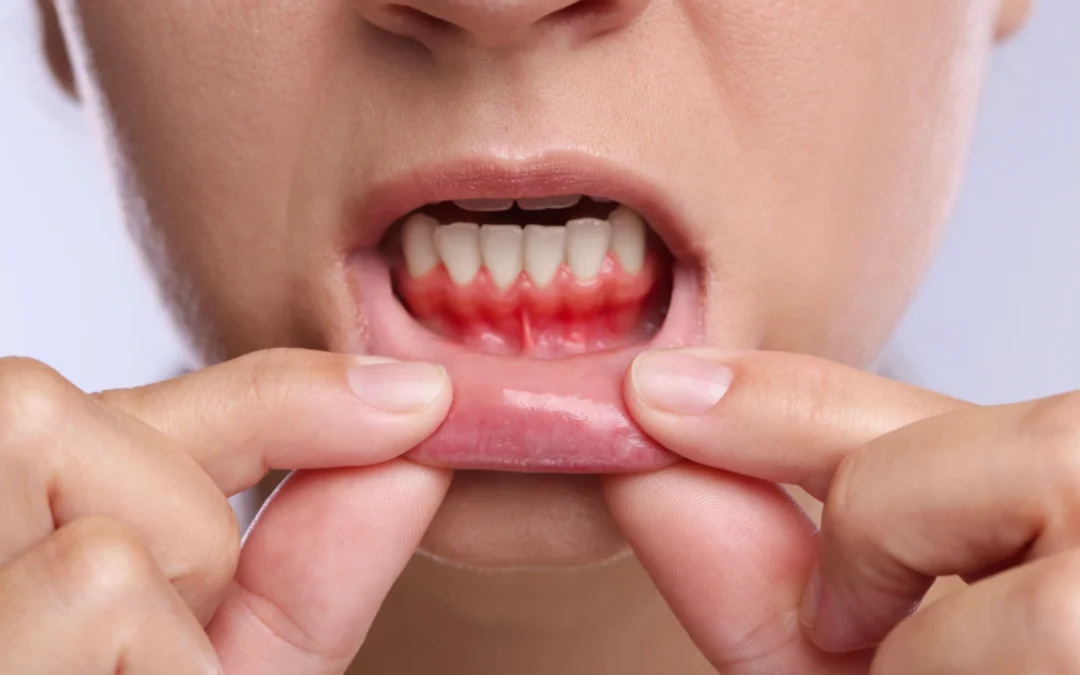
Gum recession is a common dental issue that many people overlook until it leads to severe complications. Receding gums expose the tooth roots, leading to tooth sensitivity, discomfort, and a diminished smile appearance. If left untreated, this condition can lead to more severe dental problems, such as tooth loss and advanced gum disease. Fortunately, with the right approach, it’s possible to slow down or even reverse receding gums, especially when caught early.
We’ll tell you the effective, natural ways to treat and prevent gum recession at home. Whether you’re looking for simple lifestyle changes or natural remedies, we’ve got you covered with easy-to-follow steps to protect and preserve your gum health.
What Are Receding Gums?
Receding gums occur when the tissue that surrounds the teeth pulls back or wears away, exposing more of the tooth or its root. Over time, this can lead to tooth sensitivity, aesthetic concerns, and even tooth loss. It’s often a gradual process, which means you might not notice it until significant damage has occurred.
Several factors contribute to gum recession, such as poor oral hygiene, smoking, diabetes, genetics, and abrasive brushing. It’s essential to understand the causes of gum recession to better prevent it and manage it effectively.
How Gum Disease Leads to Receding Gums
Gum recession is closely tied to gum disease, which begins with bacterial plaque buildup on your teeth. Plaque is a sticky film that forms when food particles and bacteria mix with saliva. If plaque isn’t removed regularly through proper brushing and flossing, it hardens into tartar, which irritates the gums. This leads to inflammation, also known as gingivitis, the early stage of gum disease.
If gingivitis isn’t treated, it can progress to periodontitis, a more severe form of gum disease that causes gum recession. At this stage, the tissue around the gums and teeth begins to deteriorate, and the bone that supports the teeth can also be affected. As the gums recede, the roots of the teeth become exposed, which can lead to sensitivity and, eventually, tooth loss.
Common Causes of Gum Recession
Understanding gingivitis is the first step in stopping gum recession before it destroys the supporting bone. Several factors can contribute to gum recession. Here’s a look at the most common causes:
- Poor Oral Hygiene: Failure to brush and floss regularly leads to plaque and tartar buildup, which irritates the gums and causes them to pull away from the teeth.
- Abrasive Brushing: Using hard bristle toothbrushes or brushing too vigorously can damage the enamel and gums, leading to recession.
- Genetics: Some people are more prone to gum disease and recession due to their genetic makeup.
- Tobacco Use: Smoking and other tobacco products impair blood flow to the gums, preventing them from healing properly.
- Diabetes: Diabetes can weaken the body’s ability to fight infection, making people with the condition more prone to gum disease and recession.
- Hormonal Changes: Women may experience gum recession during pregnancy, menopause, and menstruation due to hormonal fluctuations.
- Teeth Grinding: Grinding your teeth, especially at night, puts extra pressure on the gums. Beyond recession, this constant pressure can lead to cracked tooth syndrome, where micro-fractures cause sharp pain that is often hard to pinpoint without a professional exam.
By understanding these causes, you can take proactive steps to prevent or slow down the progression of gum recession.
Early Signs of Receding Gums to Watch For
Swollen, Red, or Tender Gums
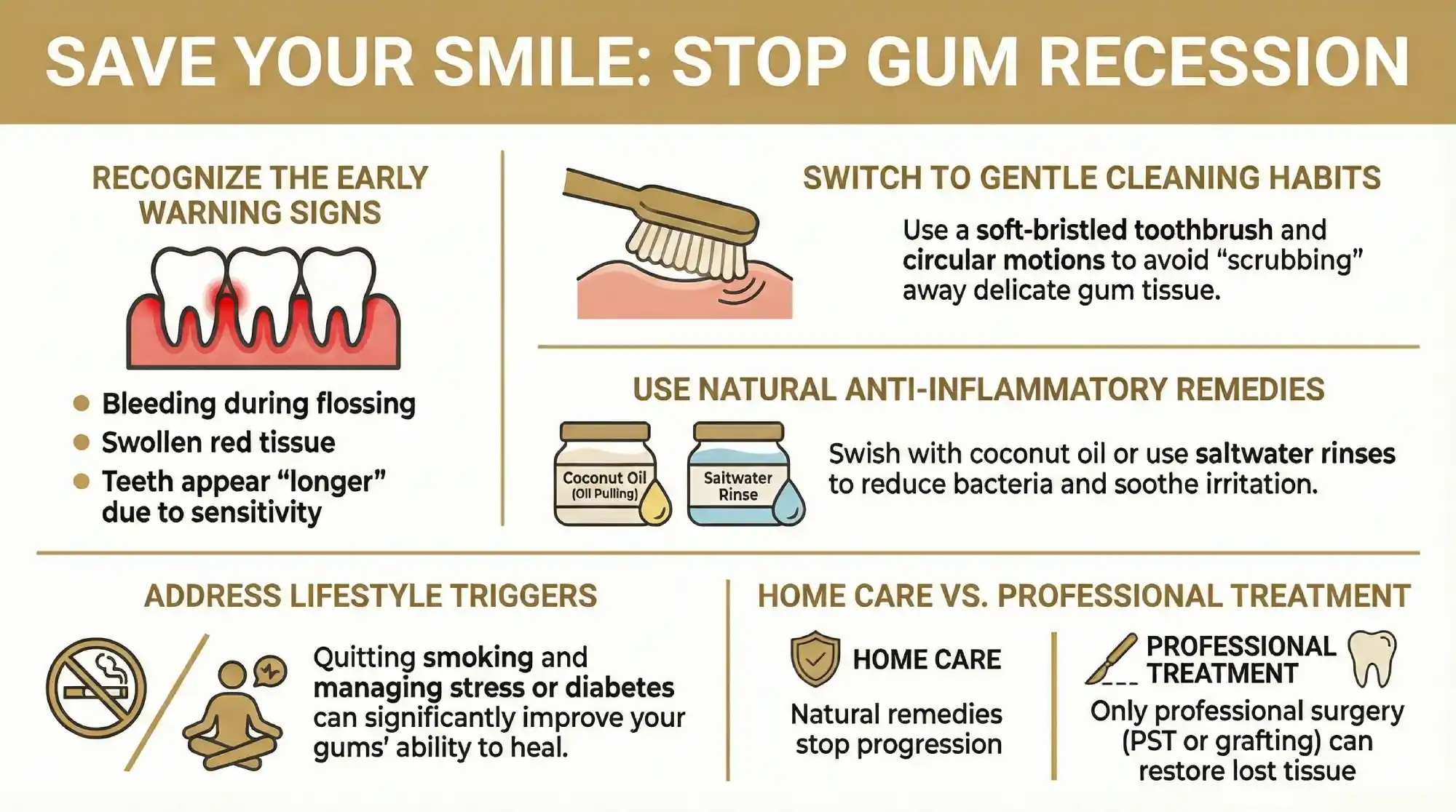
If your gums appear swollen, red, or tender to the touch, this could be an early sign of gingivitis, which may eventually lead to gum recession if left untreated. Healthy gums are typically pink and firm. If you notice any inflammation, it’s important to take action immediately by improving your oral hygiene routine and seeking professional dental care if necessary.
Bleeding Gums When Brushing or Flossing
One of the most common early signs of gum disease is bleeding gums. If your gums bleed when brushing or flossing, it may be a sign that plaque has accumulated and is irritating the gum tissue. In the early stages of gum disease, this bleeding is typically a sign of gingivitis. However, if left untreated, it can progress to periodontitis, which is more severe and leads to gum recession.
Increased Sensitivity and Receding Gum Line
As the gums begin to recede, you may start to experience increased sensitivity, especially when consuming hot, cold, or sweet foods. This happens because the roots of the teeth are exposed as the gum tissue pulls back. The roots of the teeth do not have the protective enamel that the rest of the tooth does, making them more sensitive to temperature changes and certain foods. The receding gum line may be noticeable when you look in the mirror or notice your teeth appearing longer than usual. Early intervention can help reduce the progression of this issue.
Bad Breath and Loose Teeth
Bad breath, also known as halitosis, is another sign that gum disease may be progressing. As plaque and bacteria build up in the mouth, they can cause an unpleasant odor. Additionally, if gum recession is severe enough, you may notice that your teeth become loose due to the loss of supporting gum tissue.
If you experience persistent bad breath or loose teeth, it’s important to seek professional dental care immediately. These symptoms may indicate that you are in the later stages of gum disease, which requires more advanced treatments.
How to Reverse Gingivitis and Prevent Further Recession at Home
A. Oral Hygiene for Healthy Gums
Brush Twice a Day with the Right Technique
The foundation of gum health is a consistent and effective oral hygiene routine. Brushing your teeth twice a day with a fluoride toothpaste and a soft-bristled toothbrush is the most effective way to prevent plaque buildup. Use gentle, circular motions to avoid damaging the gums, and make sure to brush along the gum line to remove bacteria that can lead to gum disease.
Daily Flossing and Mouthwash
Flossing daily is crucial for removing plaque and food particles from between the teeth, where your toothbrush can’t reach. Using an antibacterial mouthwash after brushing and flossing can help reduce bacteria in your mouth and prevent gum disease from progressing. By maintaining this simple daily routine, you can significantly improve your gum health and reduce the risk of gum recession.
B. Natural Remedies to Reduce Inflammation and Fight Bacteria
Oil Pulling with Coconut Oil
Oil pulling is an ancient practice that involves swishing oil in your mouth for several minutes. Coconut oil is an excellent choice because of its antimicrobial properties, which help reduce harmful bacteria in the mouth. Swish 1 tablespoon of coconut oil for 10-20 minutes, then spit it out and rinse your mouth with warm water. This practice can reduce plaque buildup and improve gum health over time.
Saltwater Rinse for Soothing Gums
A saltwater rinse is a simple yet effective home remedy for soothing irritated gums. Mix ½ teaspoon of salt in warm water and swish the solution in your mouth for about 30 seconds, twice a day. The salt helps reduce swelling and bacteria, providing relief from inflammation.
Aloe Vera Gel on Gums
Aloe vera has long been used for its anti-inflammatory and healing properties. Applying aloe vera gel directly to your gums can help reduce irritation and promote the healing of damaged gum tissue. Aloe vera can also help soothe the discomfort caused by receding gums.
Tea Tree Oil for Antibacterial Benefits
Tea tree oil is known for its strong antimicrobial properties, making it an excellent addition to your oral care routine. You can add a drop of tea tree oil to your toothpaste or mix it with a carrier oil and apply it directly to your gums. It helps fight the bacteria responsible for gum disease.
How to Prevent Further Gum Recession: Lifestyle Changes
A. Brushing and Flossing Habits
Use a Soft Toothbrush and Gentle Brushing Technique
To prevent further gum recession, it’s crucial to avoid brushing too aggressively. A hard-bristled toothbrush or using excessive force can damage both the enamel of your teeth and the delicate gum tissue. Switch to a soft-bristled toothbrush, which is gentler on your gums while still effective at removing plaque and food particles. Make sure to brush your teeth in small, circular motions rather than scrubbing back and forth. This minimises the risk of gum irritation and recession.
Floss Daily to Reach Between Teeth
Flossing is an essential step in maintaining gum health, as it helps remove plaque and food particles that accumulate between your teeth and under the gumline. Regular flossing prevents plaque buildup, which, if left untreated, can lead to gum disease and recession. If you find traditional flossing difficult, consider using a water flosser, which uses a stream of water to clean between your teeth and is gentle on the gums.
B. Lifestyle Adjustments
Quit Smoking and Limit Alcohol Consumption
Smoking is a leading cause of gum disease and gum recession, as it impairs blood flow to the gums, making them less likely to heal and regenerate. It also reduces saliva production, which is crucial for neutralising acids and washing away bacteria. Quitting smoking can significantly improve your gum health and help prevent further recession.
Excessive alcohol consumption can also harm your gum health. Alcohol dehydrates your body, reducing saliva flow and allowing bacteria to thrive in your mouth. By cutting back on alcohol and quitting smoking, you give your gums the best chance of healing and preventing further damage.
Stress Management and Diabetes Control
Stress is another factor that can worsen gum disease. It can suppress the immune system, making it harder for your body to fight infections like gum disease. Managing stress through relaxation techniques such as meditation, yoga, or deep breathing can reduce its impact on your gum health.
Diabetes is known to increase the risk of gum disease and gum recession. If you have diabetes, it’s crucial to manage your blood sugar levels to prevent complications, including gum problems. Regular checkups with your doctor and dentist can help you stay on top of your health.
Night Guard for Teeth Grinding
Teeth grinding, or bruxism, is a common habit that can exacerbate gum recession, as it places pressure on the gums and teeth. If you grind your teeth at night, consider using a custom night guard. A night guard provides a protective barrier between your teeth, preventing the wear and tear that contributes to gum recession and enamel damage. In cases where a tooth cannot be saved, modern dental implants provide a safe and permanent way to restore your smile and prevent further bone degradation.
Professional Treatments and When to Seek Help
A. When to See a Dentist for Receding Gums
While natural remedies and lifestyle changes are essential for managing gum recession at home, it’s crucial to understand when professional help is needed. If you notice persistent symptoms that don’t improve with home care, it’s time to consult a dentist.
Persistent Symptoms After Home Care
If you’ve been following a good oral hygiene routine and using natural remedies, but your gums continue to bleed, stay swollen, or recede further, it’s a sign that professional treatment is necessary. A dentist can provide a more in-depth evaluation and recommend treatments like scaling and root planing or other interventions to stop gum disease from progressing.
Loose Teeth or Deep Pockets in Gums
As gum disease advances, you may notice your teeth becoming loose or the development of deep pockets in your gums. These pockets allow bacteria to thrive and can lead to further gum recession and tooth loss if not treated. Dentists use specialised instruments to clean these pockets and eliminate bacteria, which is essential for stopping the progression of gum disease.
Professional Treatments for Severe Cases
For severe cases of gum recession, your dentist may recommend more advanced treatments, such as:
- Scaling and Root Planing: A deep cleaning procedure that removes plaque and tartar from below the gumline, smoothing the tooth roots to prevent bacteria from accumulating.
- Gum Grafting: A surgical procedure in which tissue from another part of the mouth or a donor is used to cover the exposed tooth roots, helping to restore gum tissue.
- Antibiotic Therapy: For infections that are not responding to standard treatments, your dentist may prescribe antibiotics to help fight the bacteria causing gum disease.
Regular visits to the dentist are essential for keeping your gums in good health. They can detect early signs of gum disease and recommend the best course of action before the problem becomes severe. Take control of your gum health today before minor recession becomes a major complication. Visit Parramatta Green Dental for a comprehensive consultation, and let us help you maintain a beautiful, healthy smile for life.
New and Advanced Treatments for Receding Gums
A. Pinhole Surgical Technique (PST)
The Pinhole Surgical Technique (PST) is a minimally invasive procedure that has revolutionised the way dentists treat gum recession. Unlike traditional gum grafting, which requires incisions and sutures, PST uses a small hole made in the gum tissue to reposition the existing gum tissue over the exposed tooth roots. The results are immediate, with minimal discomfort and a faster recovery time. PST is an excellent option for those looking for a less invasive solution to gum recession.
B. Laser Treatment for Gum Recession
Laser therapy is another advanced treatment option for gum recession. Lasers can be used to remove infected tissue, kill bacteria, and stimulate the growth of healthy gum tissue. This method is highly effective in reducing inflammation and promoting healing in the gums. Laser treatment also minimises the need for stitches and offers a faster recovery time compared to traditional surgical methods.
Debunking Common Myths About Gum Regrowth
A. Can Gums Really Regrow Naturally?
One of the most common myths surrounding gum recession is that gums can regrow naturally with the help of certain remedies. While natural remedies can reduce inflammation, fight bacteria, and slow the progression of gum disease, they cannot fully regenerate gum tissue that has already been lost. Gum tissue doesn’t grow back once it’s been lost, but advanced treatments like gum grafting can restore gum coverage around the teeth.
B. Do Natural Remedies Cure Receding Gums?
Natural remedies such as oil pulling, aloe vera, and saltwater rinses are beneficial in managing gum health, especially in the early stages of gum disease. However, they should not be relied upon as the sole treatment for receding gums. While these remedies can help reduce bacteria and soothe inflammation, they are not a substitute for professional dental care when gum recession is severe.
Conclusion: Protecting Your Gums for Long-Term Health
Receding gums are a serious oral health concern that can lead to tooth sensitivity, tooth loss, and more severe dental issues if left untreated. However, with early intervention, proper oral care, and lifestyle changes, you can prevent further gum recession and protect your gum health.
If you’re experiencing symptoms of gum recession, it’s important to consult with a professional dentist. At Parramatta Green Dental, we provide comprehensive gum care services to help you maintain healthy gums and prevent further damage. Our team is here to support you with personalised treatment options, whether you need a routine check-up, scaling and root planing, or advanced gum treatments like PST or laser therapy.
Take control of your gum health today. Visit Parramatta Green Dental for a consultation, and let us help you maintain a beautiful, healthy smile!