

A tooth abscess is one of the most painful dental conditions you can experience, and if left untreated, it can lead to serious consequences for both your oral health and your overall well-being. Whether it’s a dull, persistent ache or intense throbbing pain, a tooth abscess requires immediate attention from a dentist to prevent complications such as tooth loss, bone damage, or even life-threatening infections. Now we’ll explore the 10 common symptoms of a tooth abscess, so you can recognize them early and seek professional dental care. If you live in Parramatta or the surrounding areas, Parramatta Green Dental is here to provide prompt, reliable treatment to ensure your smile stays healthy and pain-free.
What is a Tooth Abscess?
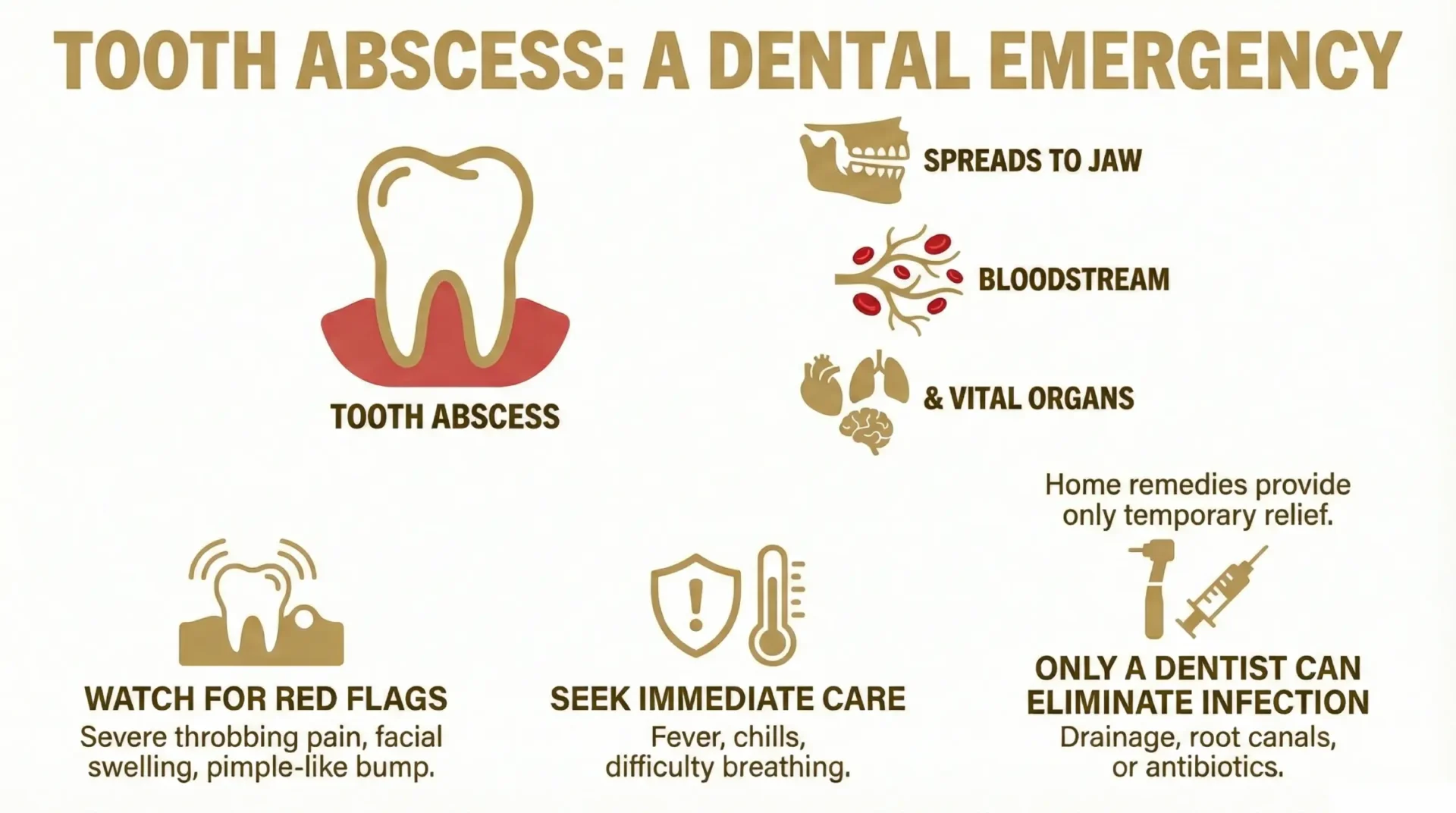
A tooth abscess is a pocket of pus caused by a bacterial infection, often resulting from untreated tooth decay, injury, or gum disease. These infections can spread to the jawbone, bloodstream, and other parts of the body, making it essential to seek immediate professional care. Left untreated, an abscess can lead to serious complications such as tooth loss, bone damage, and in extreme cases, life-threatening infections. Recognizing the signs early is critical to preventing these outcomes and ensuring timely treatment.
If you are currently in distress, knowing effective ways to get rid of a toothache can provide temporary relief, but it is not a substitute for a clinical diagnosis.
10 Key Symptoms of a Tooth Abscess You Should Never Ignore
1. Severe, Persistent Throbbing Pain
When a tooth abscess forms, the most common symptom is severe, throbbing pain in the affected tooth. This pain can be sharp or constant and may radiate to nearby areas such as your jaw, neck, and ear. The pain typically intensifies when you chew or bite down on the affected tooth, as the pressure increases inflammation and aggravates the infection inside the tooth. This is often one of the first signs that something is wrong, and it should not be ignored.
In many cases, the pain will worsen over time, becoming more intense and persistent. If you’re experiencing this type of discomfort, it’s important to seek dental care immediately, as delaying treatment could allow the infection to spread to other areas of your mouth or body.
2. Sensitivity to Hot and Cold
One of the classic signs of a tooth abscess is heightened sensitivity to hot and cold temperatures. You might notice that even the slightest contact with hot beverages, cold foods, or even air can cause an intense, sharp pain in the affected tooth. This sensitivity occurs because the infection has reached the pulp (the soft tissue inside the tooth), which houses nerves that become overly sensitive when infected.
When the pulp becomes infected, the nerves are irritated, making it difficult to tolerate extreme temperatures. If you’re feeling this discomfort, it’s essential to see your dentist for a proper diagnosis and treatment plan to prevent further damage to the tooth.
3. Pain When Chewing or Biting
Pain when chewing or biting is another red flag for a tooth abscess. As the infection progresses, the tooth becomes increasingly sensitive to pressure. Biting down on food or applying any form of pressure to the affected tooth can cause discomfort. This pain is usually more intense when you try to eat or drink, making it challenging to carry out normal daily activities such as eating your meals.
The discomfort occurs because the tooth’s internal structures and surrounding tissues become inflamed, causing tenderness and swelling in the affected area. If you experience this symptom, it’s a clear indication that your tooth may be abscessed and requires urgent dental care.
4. Swollen Gums Around the Affected Tooth
Swollen, red, or tender gums around the affected tooth are another common symptom of a tooth abscess. The infection in the tooth spreads to the gums, causing localized swelling that can make your gums appear puffy or inflamed. This is usually accompanied by pain and sensitivity when you touch the area.
In some cases, the gums may form a visible bump or pimple-like structure filled with pus. This is known as a fistula, and it’s a sign that the infection is draining from the abscess. If you notice any of these symptoms, don’t wait for the infection to worsen; book an appointment with your dentist at Parramatta Green Dental as soon as possible for an evaluation.
5. Pimple-like Bump on the Gum (Fistula)
A fistula or pimple-like bump on the gum near the abscess is one of the most telling signs of a dental infection. The bump is typically filled with pus and may intermittently drain, providing temporary relief from the pressure. This acts as a drainage point for pus and requires urgent care for tooth pain to stop the source of the bacteria.
While the draining alleviates some pain, it doesn’t mean the infection is gone. In fact, an untreated abscess can continue to spread and cause further complications, including damage to the surrounding bone and tissue. If you notice this bump, call Parramatta Green Dental immediately to get a proper diagnosis and treatment.
6. Foul Taste in the Mouth or Bad Breath
A persistent bad taste in the mouth or foul-smelling breath is a clear indicator of a tooth abscess. As the infection in the tooth continues to develop, bacteria in the abscess release toxins that can cause unpleasant smells. The pus and drainage from the abscess often contribute to bad breath, which can be very difficult to get rid of, even with regular brushing and mouthwash. Bad breath caused by an abscess is a warning sign that the infection is active and likely worsening. It’s essential to seek treatment as soon as you notice this symptom to prevent the infection from spreading and causing additional problems.
7. Fever and General Malaise
A fever and feeling generally unwell (malaise) are systemic symptoms that indicate the infection is affecting your whole body. If a tooth abscess goes untreated, the bacteria from the infection can enter the bloodstream and spread throughout your body. This can cause a range of symptoms, including a fever, chills, and an overall sense of being unwell.
If you develop a fever along with any other tooth abscess symptoms, it’s a medical emergency. Call your dentist immediately, or go to the emergency room if the fever is severe. This is a sign that the infection has potentially spread to other parts of your body, which can lead to serious health complications.
8. Facial Swelling Near the Abscess
As the infection progresses, it can lead to facial swelling near the abscessed tooth. This swelling is usually localized to the cheek, jaw, or neck, and it can become quite noticeable. The swelling occurs as the infection spreads to the surrounding tissues, including the skin and soft tissues in your face.
Facial swelling is often accompanied by pain, and it can make it difficult to move your mouth, swallow, or even talk normally. This swelling is a sign that the infection is becoming more severe and that immediate dental intervention is necessary to prevent further complications.
9. Difficulty Swallowing or Breathing
In more severe cases of a tooth abscess, the infection can spread and cause difficulty swallowing or breathing. As the swelling in the mouth and throat increases, it can block your airways, making it harder to breathe or swallow properly. This is a serious emergency and requires immediate attention from a dentist or doctor to ensure that the infection does not spread further.
If you’re experiencing difficulty breathing, it’s critical to seek emergency care as soon as possible. The infection could be spreading to your throat or other areas, which can quickly become life-threatening if not addressed immediately.
10. Tooth Loosening or Mobility
As the infection in the abscess spreads, it can cause bone loss around the affected tooth, leading to tooth mobility or loosening. This occurs because the bacteria break down the bone that supports the tooth, making it unstable. If you notice that your tooth feels loose or wobbly, it’s important to see your dentist immediately.
This symptom often indicates that the infection has progressed significantly, and the tooth may be beyond saving. In such cases, extraction may be necessary to remove the damaged tooth and prevent the infection from spreading further.
If you are experiencing any of these symptoms, don’t wait, Parramatta Green Dental is ready to help. Our team of experienced dentists in Parramatta can provide prompt treatment to resolve your tooth abscess and ensure your long-term oral health.
What Causes a Tooth Abscess?
Understanding the causes of a tooth abscess is crucial to prevent its recurrence. The infection starts when bacteria invade the tooth and gums, and several factors can contribute to this process. Let’s explore the primary causes of a tooth abscess and how they can lead to a serious dental emergency.
1. Tooth Decay (Cavities)
Tooth decay is one of the leading causes of a tooth abscess. When a cavity forms in a tooth, it creates a small hole in the enamel, allowing bacteria to enter. Over time, if untreated, the decay can reach the tooth’s pulp, the soft tissue inside the tooth that contains nerves and blood vessels. Once the bacteria reach the pulp, an infection develops, leading to an abscess.
If you notice discomfort or swelling in your gums, it’s likely that a cavity is progressing, potentially leading to an abscess. Early treatment of cavities can prevent serious complications, including abscess formation.
2. Gum Disease (Periodontitis)
Gum disease, especially in its advanced stage, periodontitis, can also lead to tooth abscesses. When gum disease develops, the bacteria in the mouth infect the gums, causing inflammation and pocket formation between the gums and teeth. If left untreated, the infection can spread to the root of the tooth, eventually leading to an abscess. Advanced periodontitis creates pockets where infections thrive. Fortunately, many patients are surprised to learn how to reverse early gum disease before it reaches this stage.
Regular brushing and flossing are essential to keep your gums healthy and prevent gum disease. If you experience swollen, bleeding gums, it’s crucial to consult with your dentist before the condition worsens.
3. Cracked or Broken Teeth
A cracked or broken tooth provides an easy entry point for bacteria. Accidents, trauma, or even biting down on something hard can cause a tooth to crack or break. When this happens, bacteria from your mouth can enter the tooth and infect the pulp. This infection can result in the formation of a tooth abscess.
If you have a cracked or chipped tooth, it’s important to have it treated right away to avoid infection. Your dentist at Parramatta Green Dental can restore the tooth with a filling, crown, or other restorative treatment, preventing further damage and abscess development.
4. Impacted Teeth
Impacted teeth, especially wisdom teeth, can also lead to abscess formation. When a tooth doesn’t have enough space to emerge from the gum, it can become impacted. This can trap bacteria in the gum tissue, which can cause inflammation and infection, leading to a tooth abscess.
In many cases, impacted teeth need to be surgically removed to prevent further complications. If you experience pain or swelling near your back teeth, it’s essential to see your dentist for an evaluation.
How a Tooth Abscess Develops
The process by which a tooth abscess forms is a gradual one, and it can sometimes take weeks or even months for the infection to reach an advanced stage. Here’s how an abscess typically develops:
Stage 1: Tooth Decay and Infection Initiation
The process starts when tooth decay penetrates the enamel and begins to affect the inner layers of the tooth, including the dentin and pulp. The pulp is the tissue that houses the nerves and blood vessels, and once it becomes infected, the bacteria begin to multiply. At this point, the infection is localized inside the tooth.
Stage 2: Abscess Formation
If the infection in the pulp continues to spread, it leads to the formation of pus, a thick liquid composed of dead cells, bacteria, and tissue debris. The pus starts to accumulate at the root of the tooth, creating pressure and swelling, which is commonly felt as intense pain.
Stage 3: Infection Spreads
If the abscess is not treated, the infection can spread beyond the tooth, affecting the surrounding tissues. This can lead to swelling in the gums, jaw, or even facial swelling. The infection may also spread to the bone, leading to bone loss and damage.
Stage 4: Rupture and Drainage
At some point, the abscess may rupture, allowing the pus to drain out and relieve the pressure. While this may temporarily alleviate some of the pain, it doesn’t mean the infection is gone. The bacteria are still present and can continue to spread if left untreated.
Stage 5: Severe Complications
If left untreated, the infection can lead to sepsis or blood poisoning, which is a life-threatening condition. The infection may also spread to other organs, such as the heart or brain, causing severe health problems.
Why You Should Never Delay Treatment
The longer you wait to seek treatment for a tooth abscess, the higher the risk of complications. A dental abscess is a serious infection that can have consequences far beyond tooth pain. Here’s why it’s crucial to seek prompt treatment:
1. Spread of Infection
A tooth abscess doesn’t stay confined to the tooth for long. If untreated, the infection can spread to surrounding tissues and even enter your bloodstream, leading to life-threatening conditions such as sepsis. Early intervention is key to preventing this.
2. Risk of Tooth Loss
Abscesses can cause irreversible damage to the tooth and the bone that supports it. If the infection reaches the root and causes significant bone loss, the tooth may need to be extracted. However, with timely treatment, a root canal or other restorative procedures can save the tooth.
3. Serious Health Complications
The bacteria in a tooth abscess can travel to other areas of the body, causing complications like meningitis, heart disease, and brain abscesses. It’s crucial to seek dental care as soon as possible to prevent the infection from spreading to these vital areas.
How a Tooth Abscess Is Diagnosed
Diagnosing a tooth abscess quickly is essential to begin treatment and prevent the infection from spreading. Your dentist will use a combination of physical examination, diagnostic imaging, and sometimes additional tests to confirm the presence of an abscess and understand its severity.
1. Physical Examination
During your dental visit, your dentist will begin by carefully inspecting the affected area. This includes checking for swelling, redness, and any pus drainage from the gum. Your dentist will also ask about your symptoms, including the level of pain and the duration of your discomfort.
The dentist may gently tap or apply pressure to the affected tooth to see if the pain intensifies. If the pain increases when pressure is applied, this is a strong indication that there’s an infection inside the tooth.
2. X-rays and Imaging
To gain a deeper understanding of the infection’s severity and to check for bone loss or abscess formation, your dentist may take X-rays of the affected tooth. X-rays allow your dentist to see how far the infection has spread, whether it’s affecting the root, bone, or surrounding tissues.
In some cases, your dentist may use more advanced imaging techniques if the infection seems to have spread to other areas of your body. This step is crucial to ensure the infection is contained and doesn’t cause further complications.
3. Pulp Sensitivity Tests
If the dentist suspects the pulp is infected, they may perform sensitivity tests. These tests typically involve applying a cold stimulus to the tooth to gauge how sensitive it is to temperature changes. If the tooth responds painfully to cold, it is likely that the pulp is affected, and the tooth is either abscessed or in the process of becoming abscessed.
4. Pus Testing
In some cases, if pus is draining from a fistula or abscess, your dentist might take a sample to send for bacterial culture. This test helps determine the exact type of bacteria causing the infection, which will guide the choice of antibiotics to treat the infection. Identifying the specific bacteria ensures that the treatment is more effective and targeted.
Treatment Options for a Tooth Abscess
Once diagnosed, your dentist will recommend the best treatment options for your tooth abscess. The treatment plan will depend on the size and location of the abscess, as well as the overall condition of the tooth and surrounding tissues.
1. Draining the Abscess
In most cases, draining the abscess is the first step to relieve the pressure and reduce the pain. This procedure is usually done by making a small incision in the abscess to allow the pus to drain. After drainage, the dentist will clean the area to prevent the infection from coming back. Draining the abscess provides immediate relief from the pain caused by the buildup of pressure, but it doesn’t eliminate the underlying infection completely.
2. Root Canal Treatment
If the tooth is still salvageable, your dentist may recommend a root canal to remove the infected pulp. During a root canal, the dentist will clean out the infected tissue from inside the tooth and seal it to prevent further infection. A root canal can save the tooth from extraction, allowing you to keep your natural tooth.
After the root canal, the tooth will be restored with a crown to protect it from further damage. This is a common procedure to treat a tooth abscess and prevent the need for tooth extraction.
3. Tooth Extraction
If the abscess has caused severe damage to the tooth, making it unrepairable, your dentist may recommend tooth extraction. This is especially true if the infection has caused significant bone loss or the tooth has become loose. Once the tooth is extracted, your dentist will discuss options for tooth replacement, such as dental implants or bridges, to restore the appearance and function of your smile.
4. Antibiotics
To manage the infection and prevent it from spreading, your dentist will often prescribe antibiotics. Antibiotics are crucial if the infection has spread beyond the tooth and into the surrounding tissues. They help kill the bacteria causing the infection and reduce inflammation. It’s important to follow your dentist’s instructions and complete the entire course of antibiotics, even if you start feeling better before finishing the medication.
5. Pain Management
Managing the pain associated with a tooth abscess is an important part of the treatment process. Your dentist may recommend over-the-counter pain relievers such as ibuprofen or acetaminophen to help manage pain and inflammation. In some cases, stronger medications may be prescribed to provide relief during the acute stages of the infection.
Preventing Tooth Abscesses
While treatment is important, the best approach is always prevention. By maintaining good oral hygiene and seeing your dentist regularly, you can significantly reduce your risk of developing a tooth abscess.
1. Good Oral Hygiene Practices
Brush your teeth at least twice a day with fluoride toothpaste and floss daily to remove plaque and food particles from between your teeth. Regular cleaning removes bacteria that can contribute to tooth decay and gum disease, both of which are leading causes of tooth abscesses. Additionally, consider using mouthwash to further reduce bacteria in your mouth and improve your oral health. Good oral hygiene practices prevent plaque buildup, which is a key factor in the development of cavities and infections.
2. Routine Dental Visits
Regular dental check-ups are vital to spotting potential issues early, before they develop into major problems. During these visits, your dentist will examine your teeth and gums for any signs of decay, gum disease, or infections. Catching these issues early can prevent abscesses from forming in the first place.
3. Early Treatment of Cavities and Gum Disease
If you develop a cavity, don’t wait to get it treated. Early intervention will prevent the cavity from reaching the pulp and causing an abscess. Similarly, if you notice any signs of gum disease, such as bleeding gums, swelling, or bad breath, see your dentist for treatment. Gum disease can lead to tooth abscesses if left untreated.
4. Healthy Diet Choices
A balanced diet rich in vitamins and minerals is essential for maintaining strong, healthy teeth. Limit sugary snacks and drinks, as they contribute to tooth decay. A healthy diet supports strong enamel and helps fight off infections in the mouth, reducing the risk of tooth abscesses.
5. Wear a Mouthguard for Sports
If you play contact sports, wearing a mouthguard can protect your teeth from injury. Trauma to the teeth, such as from a fall or impact, can lead to cracked teeth and increase the risk of infection.
Final Thoughts
A tooth abscess is a painful and potentially serious condition that requires immediate attention from a dentist. Recognizing the 10 symptoms of a tooth abscess early can help you avoid the pain and complications associated with this infection. If you are experiencing any of these symptoms, don’t wait, Parramatta Green Dental is here to provide prompt, professional care to address your dental issues and get you back to a pain-free life.
Whether it’s a root canal, abscess drainage, or preventive care, our team in Parramatta is ready to help. Book your appointment today and take the first step towards restoring your oral health! At Parramatta Green Dental, we specialize in providing high-quality, patient-centered care to the Parramatta community. Whether you need help with an abscess, general check-ups, or advanced treatments, we are here to serve you. Visit our website or give us a call to schedule your appointment today.