

Gingivitis is a common but preventable condition that affects the gums, causing swelling, redness, and bleeding, particularly when brushing or flossing. It’s the earliest stage of gum disease and often goes unnoticed until more severe symptoms develop. If untreated, gingivitis can progress to periodontitis, a more severe form of gum disease that can lead to tooth loss and other health complications. Fortunately, gingivitis is both reversible and preventable with proper oral hygiene and regular dental visits. If you live in Parramatta or the surrounding areas, it’s important to recognize the signs of gingivitis early and seek professional care. Now we will tell you the causes, symptoms, and treatment options for gingivitis and how you can keep your gums healthy.
What Is Gingivitis?
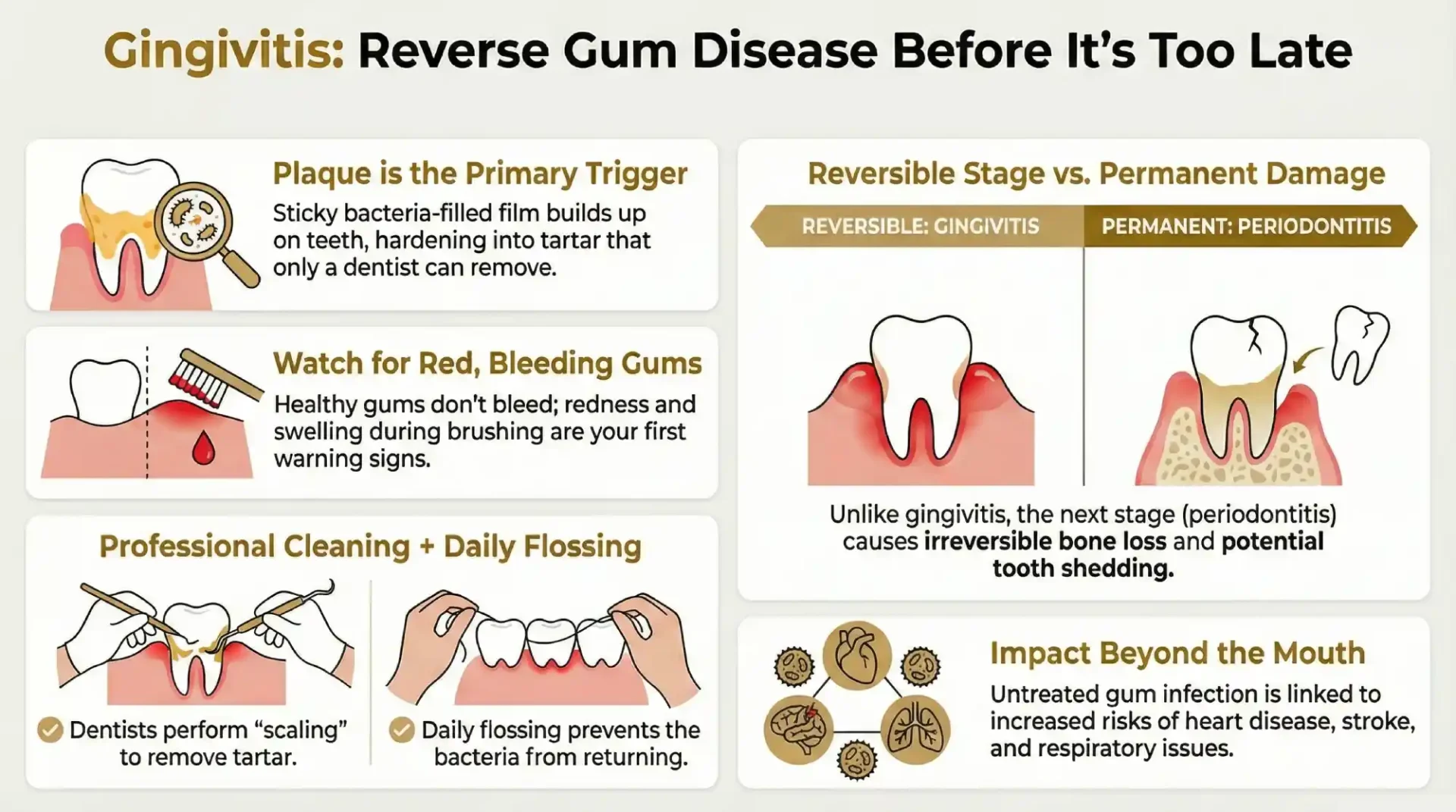
Gingivitis is a common but mild form of gum disease that causes inflammation in the gums. It is caused by the accumulation of plaque, sticky bacteria-filled film, on your teeth and gums. Plaque, if not removed by regular brushing and flossing, hardens into tartar (calculus), which can only be professionally cleaned by a dentist or dental hygienist. Gingivitis is often characterized by red, swollen, and bleeding gums, especially when brushing or flossing.
While gingivitis may cause mild symptoms and discomfort, it is the earliest stage of gum disease and can usually be reversed with proper care. However, if left untreated, it can develop into a more serious condition called periodontitis, which can lead to tooth loss and other health issues.
What Causes Gingivitis?
The main cause of gingivitis is the buildup of plaque, a sticky film of bacteria that forms on your teeth when you eat and drink. If plaque isn’t removed by regular brushing and flossing, it can harden into tartar, which irritates the gums and causes inflammation. Here are the primary causes and contributing factors for gingivitis:
1. Plaque Buildup
Plaque is the primary cause of gingivitis. It forms naturally in the mouth as a result of food particles and bacteria. If plaque isn’t removed regularly, it can turn into tartar (calculus), which can only be cleaned by a professional. The accumulation of plaque along the gumline causes the gums to become irritated, swollen, and bleed easily, especially when brushing.
2. Poor Oral Hygiene
Not brushing and flossing regularly can lead to the buildup of plaque and tartar, which increases the risk of gingivitis. Inadequate oral hygiene habits allow plaque to stay on your teeth longer, giving it a chance to harden into tartar. This irritation leads to inflammation and swelling in the gums, which are the hallmark symptoms of gingivitis.
3. Smoking and Tobacco Use
Smoking and the use of other tobacco products significantly increase the risk of developing gingivitis. Tobacco reduces the effectiveness of the immune system, making it harder for your body to fight off gum infections. Additionally, smoking can impair blood circulation in your gums, making it harder for your body to heal itself and recover from gum inflammation.
4. Hormonal Changes
Hormonal changes during pregnancy, puberty, and menopause can make your gums more sensitive to plaque, increasing the risk of gingivitis. Pregnant women, in particular, are more prone to a condition called pregnancy gingivitis, which occurs due to increased hormone levels that affect gum tissue and cause swelling, tenderness, and bleeding.
5. Medications
Certain medications, including calcium channel blockers, phenytoin, and oral contraceptives, can affect the health of your gums. Some of these medications can cause gum overgrowth or dry mouth, both of which increase the risk of gingivitis. It’s essential to discuss any medications you’re taking with your dentist, so they can recommend additional oral care measures if necessary.
6. Medical Conditions
Conditions such as diabetes, leukemia, HIV/AIDS, and cancer can weaken the immune system, making it more difficult for your body to fight off infections, including gingivitis. Managing your overall health is essential for keeping your gums healthy, and regular checkups with both your physician and dentist are important to manage the risk of gum disease.
7. Poor Nutrition
A poor diet, especially one low in vitamin C, can impair your body’s ability to maintain healthy gums. Vitamin C is essential for gum health, and a deficiency can cause the gums to become weak and more susceptible to infection. While hygiene is the primary factor, many patients are surprised to learn about the best vitamins for healthy gums and teeth, such as Vitamin C, which play a crucial role in preventing inflammation.
8. Family History
If you have a family history of gum disease, you may be more prone to developing gingivitis. Genetics play a role in how your body responds to plaque buildup, and some people may have a higher genetic risk for gum disease, making it even more important to maintain a good oral hygiene routine.
Symptoms of Gingivitis
Recognizing the symptoms of gingivitis early can help prevent it from progressing to more severe gum disease. Common signs and symptoms of gingivitis include:
- Bleeding Gums: One of the most common signs of gingivitis is bleeding gums, especially when brushing or flossing. The gums become swollen and inflamed, making them prone to bleeding.
- Swollen Gums: The gums may appear red, swollen, and inflamed. The swelling is often a result of the body’s response to the bacteria in plaque.
- Tender Gums: The gums may feel painful or sensitive to the touch, especially when brushing or flossing.
Bad Breath: Persistent bad breath (halitosis) can be a sign of gingivitis. The bacteria in plaque can produce a foul-smelling odor. - Receding Gums: Over time, gingivitis can cause gum recession, where the gums pull away from the teeth, leaving the tooth roots exposed. A sign that the infection is becoming more serious. If you notice your gum line moving, it is important to understand why do gums recede to prevent tooth sensitivity.
- Changes in Bite: In more advanced cases of gingivitis, the teeth may feel loose or there may be a noticeable change in the way your teeth fit together when you bite.
If you notice any of these symptoms, it’s important to seek dental care promptly. Early intervention can prevent the infection from progressing to periodontitis and other more severe conditions.
How Gingivitis Is Diagnosed
To diagnose gingivitis, your dentist will perform a thorough oral examination. This includes checking for signs of gum inflammation, swelling, and bleeding. If gingivitis is suspected, your dentist may take X-rays to evaluate the health of your teeth and bone structure, looking for any signs of bone loss or deeper gum damage.
Your dentist may also measure the pocket depth between your teeth and gums to assess the severity of the condition. Healthy gums typically have shallow pockets, but in cases of gingivitis, the pockets may deepen as the disease progresses.
If you are experiencing any of the symptoms mentioned above, don’t wait! At Parramatta Green Dental, our experienced team is ready to help you address gingivitis and restore your gum health. Regular dental check-ups are essential for keeping your teeth and gums healthy, so don’t delay, schedule your appointment with us today!
Treatment Options for Gingivitis
Treating gingivitis effectively involves a combination of professional dental care and at-home practices. The goal is to remove plaque and tartar buildup, reduce inflammation, and prevent further gum damage. Here’s a breakdown of the treatment options available to help you manage and reverse gingivitis.
1. Professional Dental Cleaning (Scaling and Root Planing)
The first step in treating gingivitis is often a professional cleaning performed by a dentist or dental hygienist. This procedure is designed to remove plaque and tartar buildup that regular brushing and flossing can’t reach. During the cleaning, your dentist will use special tools to scale the teeth, scraping away the plaque and tartar from both above and below the gumline.
In some cases, if the gums are severely infected, your dentist may perform root planing, which involves smoothing the root surfaces of the teeth to help the gums reattach and heal. Scaling and root planing are particularly effective for individuals with moderate to severe gingivitis and can significantly reduce inflammation, bleeding, and other symptoms.
2. At-Home Care: Brushing and Flossing
Once your dentist removes the plaque and tartar, it’s important to maintain good oral hygiene at home to prevent the infection from returning.
- Brushing: Brush your teeth at least twice a day with a fluoride toothpaste to remove plaque and food particles. Using a soft-bristled toothbrush will prevent further irritation to the gums.
- Flossing: Daily flossing is essential for removing plaque between your teeth and along the gumline, where a toothbrush may not reach. Flossing helps reduce the bacteria that cause gum disease and is a critical part of your home care routine.
- Antiseptic Mouthwash: Your dentist may recommend using an antiseptic mouthwash or mouth rinse to reduce bacteria and control plaque buildup. Look for products with chlorhexidine or essential oils that are designed specifically for gum health.
3. Antimicrobial Treatment: Mouthwash and Gels
In addition to regular brushing and flossing, antimicrobial mouthwash and gels can be used to control bacteria and reduce the symptoms of gingivitis. These treatments help fight the bacteria in the mouth that cause gum irritation and inflammation. Some common antimicrobial agents found in mouthwashes include chlorhexidine, cetylpyridinium chloride, and essential oils. Using a prescribed antimicrobial mouthwash, especially if your gingivitis is more severe, can help reduce swelling, bleeding, and bad breath while you work on improving your oral hygiene habits.
4. Medications: When Are They Needed?
In some cases, medications may be necessary to treat gingivitis, especially if the condition is more severe or does not improve with traditional methods. Your dentist might prescribe an antibiotic to target specific bacteria causing the infection.
- Topical Antibiotics: These are often applied directly to the gums, such as antiseptic gels that are placed under the gums during a dental visit.
- Systemic Antibiotics: In cases where the infection has spread or if the patient has underlying conditions that make it harder to fight infection, oral antibiotics may be prescribed.
Antibiotics can be highly effective in treating gingival infection and preventing the disease from progressing to periodontitis.
5. Surgery: In Advanced Cases
While most cases of gingivitis can be managed with professional cleaning and proper at-home care, surgery may be needed for more severe cases where gum tissue damage has occurred. If gingivitis has progressed into periodontitis (advanced gum disease), surgical procedures might be required to treat deep infections.
Gum Grafting: If the gums have receded significantly, gum grafting surgery may be performed to restore gum tissue.
Flap Surgery: For deep pockets that have formed around teeth, flap surgery may be needed to remove plaque from areas deep beneath the gums.
These procedures are typically performed by a periodontist (a specialist in gum diseases) and are used to treat periodontitis. However, surgery is rare in the early stages of gingivitis and usually reserved for more severe cases.
How Long Does It Take to Treat Gingivitis?
One of the key benefits of catching gingivitis early is that it can often be treated quickly and effectively. The length of time it takes to treat gingivitis depends on how severe the condition is and how diligently you follow your dentist’s instructions.
- Mild Gingivitis: If your gingivitis is caught early and you follow proper oral hygiene practices, gingivitis can be reversed in just a few days to weeks. Regular brushing, flossing, and antiseptic mouthwash are often all that’s needed to reduce inflammation and promote gum health.
- Moderate to Severe Gingivitis: If gingivitis has been allowed to progress and is not reversed with initial treatments, it may take longer to heal. In this case, professional cleaning and root planing may be necessary, and it could take weeks to months of diligent care for the gums to return to full health.
The key to healing gingivitis quickly is consistent oral hygiene and professional dental care. If you are following your dentist’s recommendations and keeping up with at-home care, you should see improvements relatively soon.
Prevention: How to Prevent Gingivitis
The best way to avoid gingivitis is to maintain a consistent oral care routine and make healthy lifestyle choices. Prevention not only helps protect your gums from gingivitis but also ensures the long-term health of your teeth.
1. Good Oral Hygiene
Brush your teeth twice a day with fluoride toothpaste. Be sure to brush for at least two minutes each time to remove plaque from the teeth and gumline.
Floss daily to clean between your teeth, where a toothbrush may not reach. Flossing helps prevent plaque buildup, especially in the hard-to-reach areas around the gumline.
Use mouthwash regularly to help reduce bacteria and freshen breath.
2. Regular Dental Checkups
Regular dental cleanings (every 6 to 12 months) are essential for maintaining gum health. During these visits, your dentist or hygienist will remove plaque and tartar that you may have missed at home and check for early signs of gingivitis or other gum issues.
3. Healthy Diet
Limit sugar intake to reduce plaque buildup. Sugars in food and drinks contribute to plaque formation, which leads to gingivitis.
Eat a balanced diet, rich in vitamin C and calcium, to help keep your gums and teeth healthy. Vitamins are essential for the healing of tissue, including the gums, while calcium strengthens teeth.
4. Quit Smoking
Smoking is a significant risk factor for gingivitis and periodontitis. It impairs the gum’s ability to heal and increases the risk of plaque buildup. Quitting smoking can drastically improve your oral health and reduce your risk of gum disease.
5. Manage Underlying Health Conditions
If you have diabetes, high blood pressure, or other conditions that affect your immune system, make sure to follow your doctor’s advice and keep these conditions under control. Managing these conditions can help reduce the risk of developing gingivitis and other oral health problems.
At Parramatta Green Dental, we specialize in treating gingivitis and helping you maintain optimal oral health. Whether you need a routine cleaning or help managing gingivitis, we are here to provide the care you need. Contact us now to schedule your appointment and take the first step towards healthier gums!
Complications of Gingivitis: What Happens If Left Untreated?
Gingivitis, while the mildest form of gum disease, should not be ignored, as leaving it untreated can lead to significant and often irreversible complications. These complications can not only affect your oral health but may also extend to your overall health. Here’s a look at the potential risks associated with untreated gingivitis:
1. Progression to Periodontitis
The most serious consequence of untreated gingivitis is its progression to periodontitis, a more advanced and severe form of gum disease. Periodontitis occurs when the bacteria from gingivitis spread deeper into the gums and affect the bone structure supporting the teeth. This stage can cause significant damage to the tissues that support the teeth, leading to tooth loss and bone damage.
Key signs that gingivitis may have progressed to periodontitis include:
- Deep pockets between your teeth and gums
- Loose teeth
- Persistent bad breath
- Gum recession
Periodontitis is not reversible, which is why it’s essential to treat gingivitis early before it develops into this more serious condition.
2. Tooth Loss
If gingivitis progresses to periodontitis and isn’t treated, it can result in the loss of teeth. This occurs because the infection damages the bone that holds your teeth in place. As the gum tissue recedes, the bone underneath may begin to deteriorate, leading to tooth mobility or tooth loss in severe cases.
3. Increased Risk of Heart Disease and Stroke
Recent studies have shown a link between gum disease and cardiovascular conditions, including heart disease and stroke. The bacteria from gum infections like gingivitis can enter the bloodstream, causing inflammation in the arteries. This can increase the risk of plaque buildup in the blood vessels, leading to conditions such as atherosclerosis (hardening of the arteries) and blood clots, both of which are major risk factors for heart disease and stroke.
In fact, people with periodontal disease are more likely to suffer from heart disease, and research continues to explore the relationship between gum infections and overall systemic health. Preventing gingivitis and gum disease helps protect not only your gums but also your heart.
4. Respiratory Issues
In addition to cardiovascular problems, untreated gingivitis may also increase the risk of respiratory infections. The bacteria from the mouth can be inhaled into the lungs, leading to conditions like pneumonia or chronic obstructive pulmonary disease (COPD). This is particularly concerning for individuals with weakened immune systems or preexisting respiratory conditions.
5. Pregnancy Complications
Pregnant women are more susceptible to gingivitis due to hormonal changes, but pregnancy gingivitis can have far-reaching effects if left untreated. Gum disease during pregnancy has been linked to premature birth and low birth weight. The bacteria associated with gingivitis can enter the bloodstream and affect the developing baby.
Pregnant women need to maintain good oral hygiene and seek regular dental check-ups to prevent gum disease and avoid these risks.
6. Diabetes Complications
Gingivitis can exacerbate diabetes, and people with diabetes are at a higher risk for developing gum disease. This is because high blood sugar levels can impair the body’s ability to fight off infections, including those in the gums. If gingivitis progresses to periodontitis, it can make controlling blood sugar more difficult. The inflammation caused by gum disease can also raise blood sugar levels, making diabetes harder to manage.
Conclusion: The Importance of Early Care for Gingivitis
Gingivitis may be the earliest form of gum disease, but if left untreated, it can lead to much more severe complications, including tooth loss and systemic health issues like heart disease. Recognizing the symptoms early and seeking proper treatment can help you reverse the condition and prevent further damage to your gums and teeth.
If you’re experiencing symptoms of gingivitis or it’s time for your routine dental check-up, don’t wait, Parramatta Green Dental is here to help. Our team of skilled professionals offers comprehensive gum care to ensure your oral health stays in top shape. Schedule an appointment today to keep your smile healthy and bright!