

Choosing the right dental filling can feel confusing, especially with multiple materials available and claims about durability, safety, and appearance. Should you opt for a classic silver amalgam filling for its strength, or a modern composite filling for a natural look? Each option has its benefits and considerations, and the best choice often depends on the location of the tooth, the size of the cavity, and your personal preferences. For patients in Parramatta, understanding the differences between composite and amalgam fillings can help you make a decision that balances oral health, aesthetics, and long-term functionality. At Parramatta Green Dental, our dentists guide every patient through the process, ensuring fillings are strong, comfortable, and suitable for your individual needs.
Understanding Dental Filling Materials
Dental fillings are designed to restore the function and shape of teeth after decay or damage. Choosing the correct material is important because each type interacts differently with the tooth structure, chewing forces, and oral hygiene habits. The two most common filling materials used in Australia are composite and amalgam, with glass ionomer cement also available for specific cases such as children’s teeth or temporary restorations.
What Are Composite Fillings?
Composite fillings are tooth-colored restorations made from a mixture of resin and glass or ceramic particles. They are applied in layers and cured with a light to harden the material. One of the main advantages of composite fillings is that they chemically bond to the tooth structure, which allows for a more conservative preparation and helps support the remaining enamel.
Composites are ideal for front teeth or other visible areas where aesthetics are important. They are highly versatile and can be shaped to match the natural contours of the tooth. The average lifespan of a composite filling is around 5–10 years, depending on the size of the restoration, the location in the mouth, and your oral habits.
Key points about composite fillings include:
- Minimal tooth removal is required during placement.
- Strong adhesive bonding to enamel and dentine.
- Tooth-colored for a natural appearance.
- Technique-sensitive; proper placement is important for longevity.
- May stain or chip over time, especially in large posterior cavities.
At Parramatta Green Dental, we use advanced composite materials and layering techniques to ensure your restoration looks natural, fits comfortably, and lasts as long as possible.
What Are Amalgam Fillings?
Amalgam fillings, sometimes referred to as silver fillings, are a mixture of metals including mercury, silver, tin, and copper. They have been used in dentistry for more than 150 years due to their durability and ability to withstand the forces of chewing, making them particularly suited for back molars.
Amalgam fillings are mechanically retained, which means more tooth structure may need to be removed to hold the material in place. Despite this, amalgam is highly resistant to wear and fractures, often lasting 10–15 years or more when properly maintained. Modern Australian regulations ensure that mercury levels in amalgam fillings are safe, although there are restrictions for certain populations such as children under 15, pregnant patients, and those with kidney conditions.
Key points about amalgam fillings include:
- Very durable and long-lasting, ideal for load-bearing teeth.
- Quick to place, often in a single visit.
- Silver color is visible and less aesthetically pleasing for front teeth.
- Requires more tooth removal during preparation.
- Safe when handled according to ADA and TGA guidelines.
At Parramatta Green Dental, we provide both amalgam and composite fillings, ensuring each patient receives the restoration that best fits their teeth, bite, and lifestyle.
Glass Ionomer Fillings: A Gentle Option
Glass ionomer cement (GIC) fillings are another option for specific cases. These tooth-colored fillings release fluoride, which can help prevent further decay, and bond chemically to the tooth. They are typically used for children, small cavities, or non-load-bearing areas. While their lifespan is shorter, around 2–5 years, they are an excellent preventive or temporary solution when a conservative approach is needed. In some cases, fillings may not be enough, and a dental implant may be a better solution to restore your tooth’s functionality.
Side-by-Side Comparison of Composite and Amalgam Fillings
One of the easiest ways to see the differences between these two filling types is through a comparison table. This provides a clear overview of how each material performs across key factors:
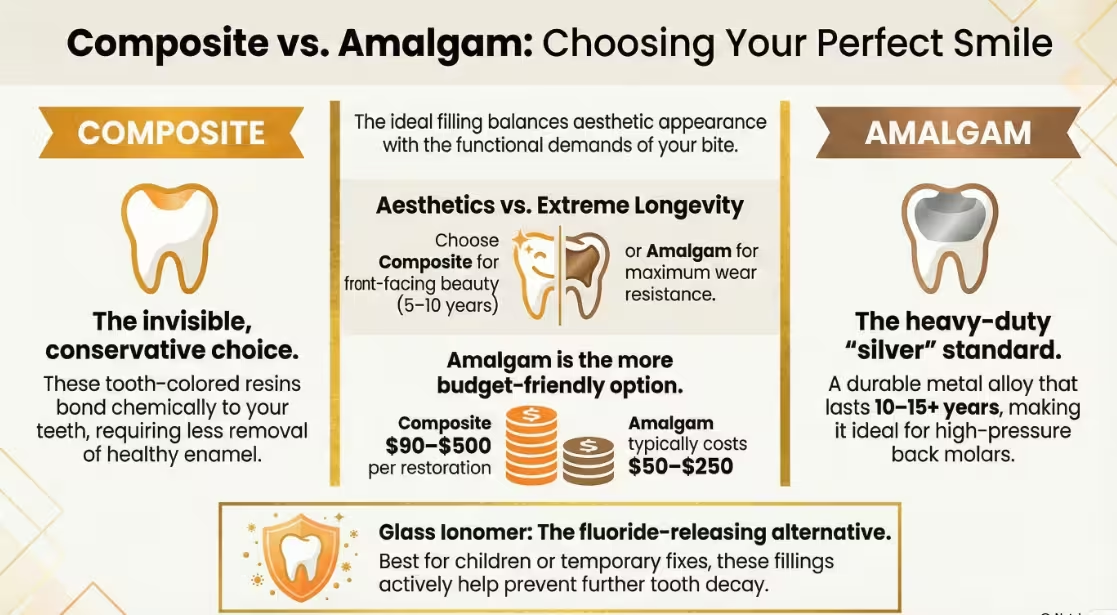
| Feature | Composite Fillings | Amalgam Fillings | Glass Ionomer (GIC) |
| Materials | Resin + glass/ceramic particles | Mercury + silver/tin/copper alloy | Tooth-colored cement |
| Appearance | Tooth-colored, blends naturally | Silver/grey, visible | Tooth-colored, opaque |
| Average Lifespan | 5–10 years | 10–15+ years | 2–5 years |
| Durability | Good for front/small cavities; may chip under heavy chewing | High; withstands strong bite forces | Low; prone to chipping |
| Tooth Preservation | Requires minimal removal; bonds to tooth | Requires more tooth removal for mechanical retention | Minimal removal; chemical bonding |
| Cost (AUD) | $90–$500 | $50–$250 | Affordable |
| Health/Safety | Mercury-free; BPA-free modern composites | Mercury (low risk; ADA/TGA restrictions apply) | Fluoride release; safe for children |
| Best For | Front teeth, small cavities, visible areas | Back molars, large restorations | Children, temporary or non-load areas |
Durability and Longevity
Durability is often the primary consideration when choosing a filling material. Amalgam fillings are known for their long-lasting strength, typically remaining functional for 10–15 years, or even longer in some cases. They are particularly resistant to wear and fracture, which is why they are frequently used in molars where chewing forces are highest.
Composite fillings, while aesthetically superior, generally last 5–10 years. They are more prone to chipping or wearing down if used in large back teeth or if the patient has habits like grinding or chewing hard foods. However, modern composite formulations with advanced nanofillers have improved resistance to wear and staining, allowing them to remain reliable even in moderate chewing areas.
Regular dental check-ups, careful oral hygiene, and protective measures such as night guards can help extend the life of both types of fillings.
Aesthetics and Smile Considerations
For many patients, appearance plays a critical role in material choice. Composite fillings are tooth-colored and blend seamlessly with natural enamel, making them ideal for front teeth or other visible areas. They are particularly popular for cosmetic replacements of older silver fillings. If you’re considering a more aesthetic option and want to improve the color of your fillings, teeth whitening can be an option.
Amalgam fillings, although highly durable, are metallic and visible when placed on exposed surfaces. This may not be suitable for patients concerned about their smile aesthetics. For those seeking both durability and discreet appearance, Parramatta Green Dental offers composite replacements or alternative options for visible teeth while maintaining the strength of posterior restorations.
Tooth Preservation and Structural Integrity
One advantage of composite fillings is that they bond chemically to the tooth, requiring less removal of healthy enamel during placement. This preserves the structural integrity of the tooth and can reduce the risk of future fractures.
Amalgam fillings, by contrast, require mechanical retention, meaning more natural tooth structure must be removed to create an undercut that holds the filling in place. While this does not affect the immediate strength of the restoration, excessive removal can influence long-term tooth stability. Dentists carefully evaluate each tooth to ensure the right balance between strength, longevity, and conservation of natural tooth tissue.
Safety and Health Considerations
Patient safety is a common concern when selecting a filling material. Amalgam contains mercury, but studies show that mercury release in modern amalgam fillings is minimal and considered safe for most patients. Australian regulations, guided by the ADA and Minamata Convention, now require amalgam capsules only and recommend avoiding placement in children under 15, pregnant patients, and those with kidney issues.
Composite fillings are mercury-free and use BPA-free resins in modern formulations, making them a safe alternative for patients concerned about chemical exposure. Allergic reactions are rare, and most patients tolerate composite fillings without issue.
Cost Considerations
Cost often influences the choice between composite and amalgam fillings. Amalgam is generally less expensive upfront, costing between $50 and $250 in Australia, while composite fillings typically range from $90 to $500, depending on the size and complexity of the restoration.
While composite fillings may require more frequent replacement due to wear, they offer superior aesthetics, which is a deciding factor for many patients. Private health insurance in Australia often covers a portion of both filling types, making treatment accessible while balancing appearance and durability.
Maintenance Tips for Long-Lasting Fillings
Regardless of the material, proper maintenance ensures that fillings last as long as possible. Brushing twice daily with fluoride toothpaste, flossing daily, and attending regular dental check-ups help prevent secondary decay. Avoid chewing hard objects like ice, pens, or fingernails, and consider using a night guard if you grind your teeth. Limiting staining foods and drinks such as coffee, tea, and red wine helps keep composite fillings looking natural over time.
Choosing the Right Filling and Aftercare
After understanding the materials and their differences, the next step is deciding which filling is best for your specific situation. We guide patients through this decision, considering tooth location, cavity size, chewing forces, aesthetics, and personal preferences. This ensures your filling not only restores function but also contributes to a healthy and natural-looking smile.
When to Choose Composite Fillings
Composite fillings are often the preferred choice for teeth that are visible when smiling or speaking. They blend with the natural tooth color and provide a cosmetic advantage, making them ideal for front teeth or small to medium cavities. Composites bond directly to the tooth, which allows dentists to remove less natural enamel, preserving structural integrity.
Composite fillings are also a good option for patients who want to replace older, discolored amalgam fillings in visible areas. Modern composites with nanofillers are highly resistant to wear, although they can chip under heavy chewing forces. We ensure proper layering and light-curing techniques are used to provide a long-lasting, natural-looking restoration.
When to Choose Amalgam Fillings
Amalgam fillings remain a reliable choice for back molars and other teeth subjected to heavy chewing forces. They are highly durable, resist wear and fracture, and are generally more cost-effective than composites for large restorations.
While amalgam requires more tooth removal due to its mechanical retention, it offers unmatched longevity in load-bearing areas. Patients in Parramatta can benefit from amalgam fillings when durability and strength are the primary priorities, and appearance is less critical. Our dentists follow strict ADA and TGA guidelines to ensure safe handling of amalgam, especially for patients outside the restricted groups (children under 15, pregnant women, and those with kidney concerns).
When to Replace Old Amalgam Fillings
Not every silver filling needs replacement, but certain situations require attention:
- Visible cracks, chips, or leaks in the filling
- Tooth decay underneath the existing restoration
- Cosmetic concerns, such as visible discoloration or a mismatch with surrounding teeth
- Patient preference for a tooth-colored restoration
At Parramatta Green Dental, we follow safe removal protocols for amalgam, including dental dam isolation, HEPA filtration, and controlled mercury handling, ensuring a safe and comfortable procedure. If you’re dealing with discomfort caused by old fillings or cavities, understanding how to manage tooth pain can help reduce discomfort until you can see your dentist.
Environmental Considerations
Modern dentistry also considers environmental impact. Amalgam waste must be handled carefully due to mercury content, while composite fillings are mercury-free. Glass ionomer cements are safe, release fluoride, and are ideal for children and non-load areas. Choosing the right material can help reduce environmental impact while meeting clinical needs.
Factors Dentists Consider Before Recommending a Filling
Dentists evaluate multiple factors before deciding on a filling type, including:
- Tooth location (front vs back)
- Cavity size and depth
- Chewing forces and bite patterns
- Moisture control during placement
- Patient preferences for aesthetics and material
- Budget considerations and insurance coverage
This personalized approach ensures that each restoration balances function, durability, and appearance, giving patients long-term satisfaction.
Maintenance Tips for All Filling Types
Proper care extends the life of your fillings. Key maintenance tips include:
- Brush twice daily with fluoride toothpaste
- Floss daily to remove plaque at the margins of fillings
- Avoid chewing hard objects like ice or pens
- Use a night guard if you grind your teeth
- Limit staining foods and drinks such as coffee, red wine, and tobacco
- Schedule regular dental check-ups to detect early wear or secondary decay
Following these steps helps preserve both composite and amalgam restorations, maintaining oral health and smile aesthetics.
Frequently Asked Questions
Are composite fillings as strong as amalgam?
Composite fillings are strong, but may chip under heavy chewing forces. They are ideal for front teeth and moderate cavities.
Do composite fillings stain over time?
Yes, composites may discolor slightly over the years, especially with frequent consumption of coffee, tea, or red wine. Proper oral hygiene minimizes staining.
Is dental amalgam safe?
Yes, amalgam is safe when used according to ADA and TGA guidelines. Mercury release is minimal, but certain groups are advised to avoid it.
How long do fillings last?
Amalgam typically lasts 10–15+ years, composites 5–10 years, and glass ionomer fillings 2–5 years depending on tooth location and oral habits.
Can I replace my silver fillings with composite?
Yes. Safe removal and replacement can be done to improve aesthetics without compromising tooth strength.
Which filling type is cheaper?
Amalgam fillings are generally less expensive upfront, while composite fillings cost more due to material and placement time. Insurance may cover part of both options.
Final Thoughts: Which Filling Is Best for You?
There is no one-size-fits-all answer. The best filling depends on your tooth’s location, cavity size, chewing habits, and personal preferences. For patients in Parramatta, consulting a trusted dental professional ensures that each restoration is suited for both function and appearance. At Parramatta Green Dental, our dentists provide expert advice, precise placement, and ongoing care to ensure your fillings last longer, look natural, and maintain your oral health. Early assessment and personalized recommendations help protect your teeth while giving you confidence in your smile.