

When it comes to restoring a damaged tooth, onlays and crowns are two of the most common options offered by dentists. Both serve the purpose of protecting and restoring a tooth that is cracked, decayed, or weakened. However, each offers distinct advantages depending on the extent of the damage and the specific needs of your tooth.
Choosing the right restoration method is crucial, as it can affect the longevity of your tooth and the overall health of your smile. In this blog, we’ll compare onlays and crowns, covering their benefits, costs, procedures, and which option might be best suited for your particular situation. Whether you’re looking to preserve more of your natural tooth structure or need maximum protection, this guide will help you make an informed decision.
What Is a Dental Onlay? (Partial Restoration)
An onlay is a custom-made dental restoration used to repair a tooth that has been moderately damaged by decay or fractures but still has a substantial amount of natural tooth structure left. Unlike a filling, which is used for smaller cavities, an onlay covers one or more of the tooth’s cusps (the pointed parts of the tooth that help with chewing). This provides added strength and protection while preserving a larger portion of the natural tooth.
Onlays are often referred to as “partial crowns” because they don’t cover the entire tooth, but instead, they only restore the damaged areas. This makes onlays an ideal solution for teeth with moderate damage that still have strong enamel and a healthy tooth structure.
Materials Used in Onlays
Onlays can be made from a variety of materials, each providing different benefits depending on the patient’s needs and preferences:
- Porcelain (ceramic): Offers the best aesthetic results as it closely mimics the natural color of your tooth.
- Composite resin: A tooth-colored material that is suitable for patients looking for a more affordable option, but it may not be as durable as porcelain.
- Gold: Extremely durable and long-lasting, though it’s more noticeable than porcelain or composite.
The choice of material depends on factors like location of the tooth, the extent of damage, and the patient’s aesthetic preference.
When to Choose an Onlay
An onlay is often chosen for teeth that are:
- Moderately decayed or cracked but still have enough healthy structure to avoid a full crown.
- Back teeth (molars and premolars) that experience heavy chewing pressure but still have some strength remaining.
- Cosmetically sensitive patients who want a restoration that blends seamlessly with their natural teeth, especially when used for front teeth.
If the damage to your tooth is substantial but doesn’t extend to the roots, an onlay is often the most conservative option that preserves more of your natural tooth than a crown.
What Is a Dental Crown? (Full Coverage Restoration)
A crown is a full-coverage restoration designed to encase a tooth completely. When a tooth is significantly damaged, due to decay, cracks, or after a root canal treatment, a crown is often the best solution. Unlike onlays, which only cover part of the tooth, crowns cover the entire tooth structure and provide maximum strength and protection.
Crown treatments are available in various materials such as porcelain, zirconia, or metal alloys. A crown restores a tooth’s functionality and shape, making it ideal for teeth that are too weak to withstand everyday biting forces or for teeth that have undergone root canal therapy. Crowns help to seal the tooth, prevent further damage, and reduce the risk of infection.
Materials Used in Crowns
Like onlays, crowns can be made from various materials, including:
- Porcelain or ceramic: Popular for anterior teeth due to their aesthetic appeal.
- Porcelain-fused-to-metal (PFM): Offers a good balance of strength and aesthetics but may not look as natural as full porcelain.
- Zirconia: A durable and highly aesthetic material that is becoming increasingly popular for both front and back teeth.
- Gold: Provides excellent strength and durability, especially for molars, but it’s less aesthetic compared to other materials.
The choice of material for a crown depends on factors such as tooth location, strength needs, and aesthetic preference.
When to Choose a Crown
A crown is typically needed when:
- The tooth is extensively damaged, such as having large cavities or fractures.
- The tooth has undergone a root canal and requires full coverage to protect the remaining tooth structure.
- A tooth has been weakened due to decay, bruxism (teeth grinding), or severe fractures.
Crowns are suitable for both front and back teeth, though those used for molars may be made of more durable materials like gold or zirconia.
Onlay vs Crown: Key Differences You Must Know
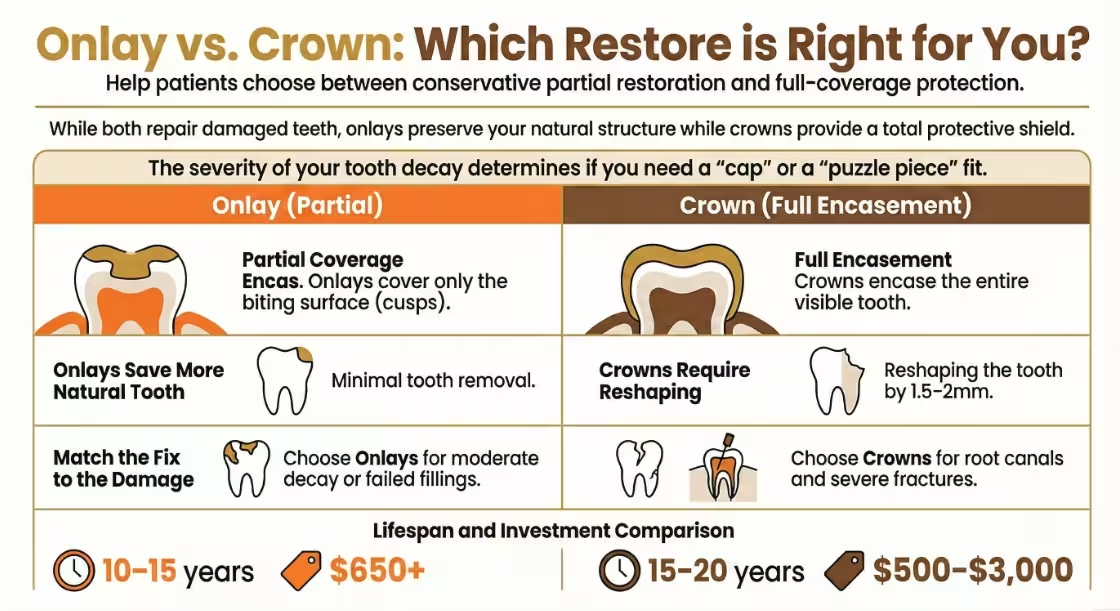
1. Tooth Preservation
- Onlays are less invasive than crowns because they preserve a larger portion of your natural tooth structure. They cover only the damaged parts, leaving most of the healthy tooth intact.
- Crowns, on the other hand, require more tooth reduction because they encase the entire tooth. As a result, a larger portion of the tooth must be reshaped or removed.
2. Strength and Durability
- Crowns are the more durable option and are better suited for teeth that experience heavy chewing forces, such as molars. They are generally stronger than onlays and can last 15–20 years with proper care.
- Onlays are strong but may not be as durable as crowns under extreme biting and chewing pressure. Onlays are a good option for moderate damage but may need replacement sooner than crowns, depending on wear and tear.
3. Aesthetic Results
- Onlays offer better aesthetic results because they cover only the damaged areas of the tooth, preserving the natural shape and contours. They blend more seamlessly with your natural teeth, especially if made from porcelain or composite resin.
- Crowns, especially those made from metal, may not look as natural, though ceramic crowns are designed to mimic the appearance of natural teeth. Crowns can be an excellent choice for back teeth that are less visible.
Comparison Table: Onlay vs Crown
| Feature | Onlay | Crown |
| Coverage | Partial (cusps only) | Full coverage of the tooth |
| Tooth Preservation | High (preserves natural tooth) | Moderate (requires more tooth reduction) |
| Durability | Moderate–High | High (long-lasting) |
| Aesthetics | Highly aesthetic (especially porcelain) | Good (better with porcelain, less with metal) |
| Cost | Moderate | Higher due to material and preparation |
| Procedure Time | 1–2 visits | 2 visits (or same-day crowns available) |
4. When to Choose an Onlay and When to Choose a Crown
The decision between an onlay and a crown depends on several factors, including the extent of damage to your tooth, location, and aesthetic preference.
- If the tooth is slightly to moderately damaged and you want to preserve the natural structure, an onlay may be the best option.
- If the tooth is severely damaged, has undergone root canal therapy, or is under high chewing pressure (like molars), a crown is usually the preferred choice.
If you are experiencing symptoms like cracked tooth pain when you bite down, it often indicates a structural compromise that only the 360-degree support of a crown can resolve.
Procedure for Onlays and Crowns: What to Expect
Understanding the procedure for both onlays and crowns can help ease any concerns you may have before getting a dental restoration. Whether you choose an onlay or a crown, the process is relatively straightforward and typically involves two visits to your dentist. Here’s a breakdown of what you can expect during each step of the treatment.
Onlay Procedure: Step-by-Step Guide
Step 1: Initial Consultation and Examination
The first step in the process of getting an onlay is visiting your dentist for a thorough examination. During this visit, your dentist will assess the extent of the tooth damage, take X-rays, and determine whether an onlay is the best solution. If decay or damage is present, your dentist will clean and prepare the tooth for the onlay.
Step 2: Tooth Preparation
Once the tooth is cleaned, your dentist will prepare it by removing any decayed tissue and shaping the tooth to ensure a perfect fit for the onlay. This process is typically painless as the area will be numbed with local anesthesia.
Step 3: Impression or Digital Scan
After the tooth is shaped, your dentist will take an impression or digital scan of the prepared tooth. This impression is sent to a dental laboratory where the onlay is custom-made to fit your tooth perfectly.
Step 4: Temporary Onlay
While the permanent onlay is being fabricated, a temporary onlay may be placed to protect the tooth and allow normal function. Temporary restorations are typically worn for a week or two.
Step 5: Final Placement and Bonding
Once the permanent onlay is ready, you’ll return for a second appointment. The onlay will be carefully bonded to your tooth using a strong dental adhesive, and your dentist will ensure that it fits snugly and comfortably. The procedure is completed quickly, and you’ll leave with a fully restored tooth.
Crown Procedure: Step-by-Step Guide
Step 1: Consultation and Diagnosis
Like the onlay procedure, the first step in getting a crown is a consultation with your dentist. During this visit, your dentist will evaluate the extent of the tooth damage and determine if a crown is the best option. X-rays will be taken to assess the tooth’s health and ensure that a crown is the right choice for your restoration.
Step 2: Tooth Preparation
For a crown, more of the natural tooth needs to be removed than with an onlay. The tooth will be shaped and reduced to make space for the crown. If the tooth has undergone a root canal, the dentist will also clean the tooth’s interior. Local anesthesia will be used to numb the area and ensure comfort during the procedure.
Step 3: Impressions or Digital Scan
Once the tooth is prepared, your dentist will take an impression or digital scan of the tooth. This will be used to create a custom crown that fits your tooth precisely. If your dentist uses advanced CAD/CAM technology, the crown may be created in the office, and the process may only take a single visit.
Step 4: Temporary Crown
Since the permanent crown needs to be made in a dental lab (or with CAD/CAM technology), your dentist will place a temporary crown to protect the tooth in the meantime. Temporary crowns are made from acrylic or resin materials and are designed to protect the tooth while the permanent restoration is being created.
Step 5: Final Placement of the Crown
Once your permanent crown is ready, you’ll return to the office for a fitting. Your dentist will check the fit, bite, and aesthetics of the crown. If everything is aligned, the crown will be bonded securely to the tooth with dental cement. Your dentist will make final adjustments, ensuring that the crown feels comfortable and functions properly.
Same-Day Crowns and Onlays
In some cases, advanced CAD/CAM technology can allow for the creation of crowns and onlays in a single visit. This technology uses digital impressions to design the restoration right in the dental office, and the machine then fabricates it while you wait. Same-day treatments are ideal for patients who are short on time or need immediate restoration.
Cost Comparison: Onlays vs Crowns
One of the biggest factors when deciding between an onlay and a crown is cost. The cost of both restorations can vary based on several factors, such as material choice, the extent of the restoration, and where you live. Here’s a breakdown of the cost differences between onlays and crowns in Australia.
1. Average Cost of Onlays
- Porcelain onlay: $800–$1,500 per tooth
- Gold onlay: $900–$2,000 per tooth
Onlays are generally less expensive than crowns because they involve less tooth preparation and require less material.
2. Average Cost of Crowns
- Porcelain crown: $1,000–$2,500 per tooth
- PFM crown: $900–$1,800 per tooth
- Zirconia crown: $1,200–$2,500 per tooth
Crowns are more expensive because they offer full coverage and require more tooth preparation and material.
Factors Affecting Cost
- Material choice: Porcelain and zirconia crowns tend to cost more than metal options.
- Location: The cost of dental procedures can vary depending on the clinic location (city or rural) and the dentist’s experience.
- Insurance coverage: Many insurance plans partially cover crowns and onlays, though the coverage may vary.
Is the Cost Worth It?
While crowns are more expensive than onlays, they often offer better long-term value, especially for severely damaged teeth. An onlay, however, is a more conservative option, preserving more of your natural tooth and offering a cost-effective solution for moderate damage.
Longevity and Durability: Which Lasts Longer?
Both onlays and crowns can last for many years, but the longevity of each restoration depends on several factors, including the material used, how well you care for your teeth, and the extent of the damage. Proper care, including regular brushing, flossing, and dental checkups, can help extend the life of your onlay.
Lifespan of Onlays
- Porcelain onlays can last between 10 and 15 years with proper care.
- Gold onlays tend to last even longer, possibly up to 20 years.
Lifespan of Crowns
- Porcelain crowns generally last around 10–15 years.
- Zirconia crowns can last up to 20 years.
- Gold crowns are the most durable, lasting 20+ years.
Factors Affecting Longevity
- Oral hygiene: Regular brushing, flossing, and professional cleanings will extend the lifespan of both onlays and crowns.
- Bite pressure: Patients with bruxism (teeth grinding) may need additional protection, as grinding can shorten the lifespan of restorations.
- Diet: Avoid chewing hard foods or ice, as these can cause wear or damage to both onlays and crowns.
When to Seek Professional Care: The Role of Your Dentist
Choosing between an onlay and a crown requires a professional evaluation. Your dentist will assess the condition of your tooth, your oral health goals, and your aesthetic preferences to recommend the best treatment option. They will consider factors like the extent of decay, tooth position, and functionality to help guide your decision.
At Parramatta Green Dental, we offer personalised consultations to help you choose the most appropriate restorative option for your teeth. Our team specialises in onlays, crowns, and other restorative dental procedures, ensuring that you receive the highest quality care tailored to your needs.