

If you’ve started noticing a sharp twinge when drinking cold water, discomfort while chewing, or food constantly catching around an old filling, your tooth may be trying to tell you something. Many people assume dental fillings last for life. In reality, fillings wear down over time and can silently fail before obvious pain begins. Recognising early warning signs can prevent deeper decay, infection, and the need for more complex treatment. For patients visiting Parramatta Green Dental, timely filling replacement often stops problems before they escalate into root canal treatment or crowns.
Understanding how fillings age and how to spot problems early gives you control over your dental health.
How Long Do Dental Fillings Last?
Dental fillings are designed to restore teeth damaged by decay and seal the area against bacteria. However, every material has a natural lifespan. Chewing pressure, temperature changes from hot and cold foods, and daily use gradually weaken the bond between the filling and the tooth.
On average, composite resin fillings last between five and ten years. Amalgam fillings, which are the traditional silver restorations, often last ten to fifteen years or longer. Porcelain and ceramic restorations typically last around ten to fifteen years, while gold restorations can exceed fifteen years in some cases.
Several factors influence how long a filling lasts. Patients who grind their teeth place extra stress on restorations. Large fillings that replace significant tooth structure tend to weaken the tooth over time. Poor oral hygiene can lead to decay forming at the edges, known as secondary caries. Even normal expansion and contraction from hot drinks and cold foods can gradually create microscopic gaps at the margins.
A filling rarely fails suddenly without warning. In most cases, the tooth gives subtle signals first.
Signs You Need a Filling Replaced: 5 Clear Warning Signals
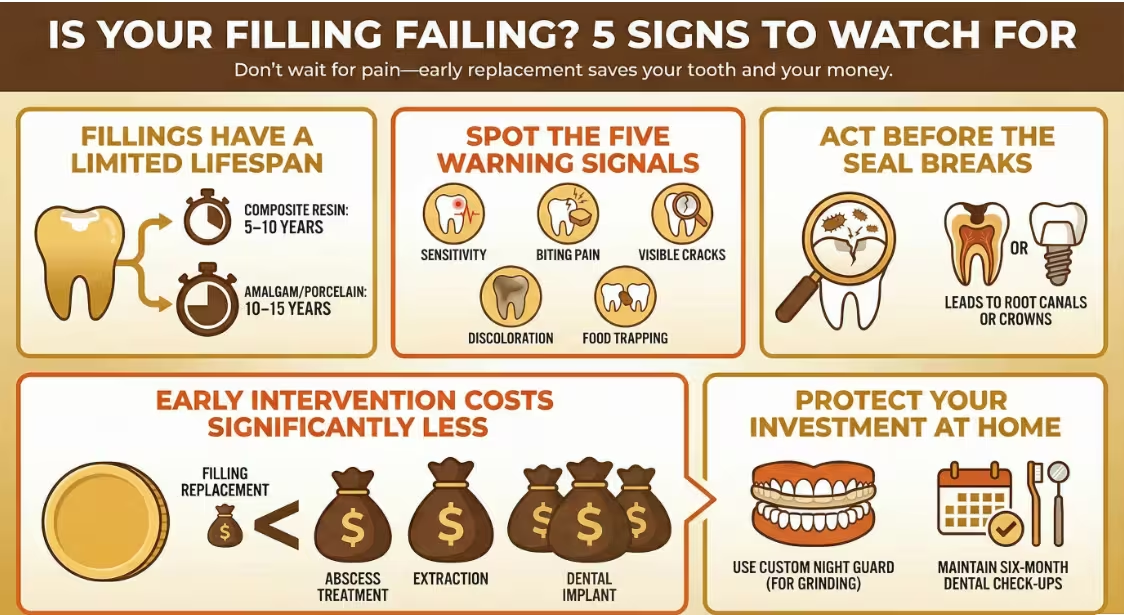
When a filling begins to fail, the protective seal between the material and your natural tooth weakens. This allows bacteria, food particles, and moisture to enter. Below are the five most common and reliable signs that replacement may be necessary.
1. Persistent Sensitivity to Hot, Cold or Sweet Foods
Occasional sensitivity can happen, especially if you have exposed dentine or gum recession. However, sensitivity linked specifically to a filled tooth is often a sign that the seal is breaking down. If cold drinks cause a sharp pain that lingers for several seconds, or if sweet foods trigger discomfort, it may indicate leakage around the filling. When the protective barrier weakens, temperature changes irritate the nerve inside the tooth. Lingering sensitivity that continues for weeks should always be examined. Early intervention can prevent inflammation from progressing deeper.
2. Pain When Biting or Chewing
Pain during chewing is one of the strongest indicators of a compromised filling. You may feel discomfort when applying pressure or when releasing your bite. This can occur if the filling has cracked, shifted slightly, or if decay has developed underneath. As bacteria reach deeper layers of the tooth, the pulp tissue may become irritated. If biting pain is ignored, inflammation can increase and may eventually require root canal treatment. Addressing the issue early usually means a straightforward filling replacement rather than advanced procedures.
3. Visible Damage or Rough Edges
A properly placed filling should feel smooth and blend with the surrounding enamel. If you run your tongue across the surface and feel a rough patch, sharp edge, or uneven contour, the material may have chipped or worn down. Some patients notice small fragments in their mouth after chewing something hard. Others observe cracks or dark lines around the margins. Even minor fractures compromise the seal and allow bacteria to enter. Visible damage is a clear reason to schedule a dental assessment.
4. Discolouration Around or Within the Filling
Tooth-coloured fillings can stain over time, especially if exposed to coffee, tea, or red wine. While mild surface staining is common, darker shadows along the edges may indicate leakage or decay beneath the filling. If you see yellowing, grey shadows, or dark spots forming near a restoration, it may suggest the bond has weakened. In some cases, patients choose to replace older silver fillings with composite for cosmetic reasons, particularly if they want a more natural appearance.
5. Food Trapping, Floss Shredding, or Persistent Bad Taste
When floss repeatedly catches or shreds between two teeth, it often signals a rough margin or gap. Food trapping around a filling suggests the contour has changed or the restoration has shifted slightly.
A constant unpleasant taste or ongoing bad breath, despite good brushing habits, may also indicate bacteria collecting beneath the filling. These signs often appear before pain develops. Early detection allows treatment before deeper decay forms.
Additional Signs That Require Prompt Attention
Certain symptoms indicate that replacement should not be delayed. If a filling feels loose or moves when biting, the seal has likely failed. A filling that has completely fallen out leaves the inner tooth structure exposed and vulnerable to rapid decay. If you’re looking to replace old fillings with a more natural look, cosmetic dentistry offers an excellent solution with tooth-colored restorations.
Gum recession around a filled tooth can also expose the edges of older restorations, increasing the risk of leakage. Sharp edges that irritate the tongue or cheek should be assessed promptly, as they may signal structural breakdown.
Why Fillings Fail Over Time
Fillings fail primarily due to wear and seal breakdown. Daily chewing creates micro-stress on both the restoration and the surrounding enamel. Over the years, this repeated pressure can cause microscopic cracks. Temperature changes also play a role. Materials expand and contract at different rates than natural tooth enamel.
This gradual movement weakens the bond. If plaque accumulates at the margins, bacteria can create new decay beneath the filling. Teeth grinding further increases stress, particularly during sleep. Understanding these causes highlights why regular dental examinations are important. Small issues can be detected long before symptoms become severe.
How Dentists Diagnose a Failing Filling
During a comprehensive dental examination, the dentist visually inspects the restoration and gently checks the margins with a dental instrument. Any softness or gaps can indicate decay. Bite alignment is also evaluated to identify stress points.
Digital X-rays are used to detect hidden decay beneath the filling that cannot be seen on the surface. Combining clinical assessment with imaging ensures accurate diagnosis and conservative treatment planning.
How to Make Your Dental Fillings Last Longer
Maintaining good oral hygiene plays a major role in extending the lifespan of restorations. Brushing twice daily with fluoride toothpaste and flossing every day helps reduce plaque buildup at the margins. Avoiding very hard foods reduces the risk of cracks.
If you grind your teeth at night, wearing a custom night guard can protect both natural teeth and restorations. Regular check-ups allow early detection of wear before significant damage develops.
If you are experiencing persistent sensitivity, chewing pain, visible cracks, or a loose filling, booking an examination promptly can prevent more extensive treatment. Early replacement protects your natural tooth and helps avoid unnecessary complications. For those dealing with ongoing tooth pain, exploring effective tooth pain relief methods can help manage discomfort before it gets worse
How Decay Progresses Under a Failing Filling
When the seal between a filling and the tooth weakens, bacteria can enter through microscopic gaps. This process is called microleakage. Because the opening is often invisible to the eye, decay can spread underneath the filling without obvious surface damage.
As bacteria multiply beneath the restoration, they begin breaking down the inner dentine layer. The enamel may still appear intact while decay continues underneath. Over time, this hidden decay weakens the remaining tooth structure, increasing the risk of fracture.
If the infection reaches the pulp, the inner tissue containing nerves and blood vessels, inflammation develops. At this stage, symptoms usually intensify. Patients may experience throbbing pain, prolonged sensitivity, or spontaneous discomfort without stimulation. Early replacement of a compromised filling prevents this internal progression.
When a Filling Is No Longer Enough
Sometimes, by the time symptoms appear, the damage has extended beyond what a simple filling can restore. The appropriate treatment depends on how much healthy tooth structure remains.
If decay is moderate but does not involve the nerve, a larger restoration such as an inlay or onlay may be recommended. These restorations are custom-made and provide greater strength than standard fillings.
If the pulp becomes infected, root canal treatment may be required to remove the infected tissue before restoring the tooth. In many cases, a dental crown is placed afterward to protect the weakened structure.
When significant fracture occurs or too much tooth structure has been lost, extraction may become necessary. This is why early intervention is critical. A small filling replacement is far less invasive than advanced restorative treatment.
Inlays, Onlays and Crowns: What’s the Difference?
Understanding restorative options helps patients feel confident in treatment decisions.
An inlay is used when damage is contained within the grooves of the tooth and does not involve the cusps. It fits precisely into the prepared area and is bonded securely.
An onlay extends over one or more cusps of the tooth. It provides greater coverage and strength, making it suitable for larger areas of damage.
A dental crown covers the entire visible portion of the tooth. Crowns are recommended when significant structural reinforcement is needed. They protect against further fracture and restore full function.
Your dentist will always aim to preserve as much natural tooth structure as possible. Conservative care remains the priority. In cases where fillings are no longer effective, dental implants may be a permanent solution to restore your smile.
The Risk of Tooth Fracture
Large or aging fillings reduce the amount of remaining natural enamel supporting the tooth. Over time, this can lead to cracks in the surrounding structure. Teeth with extensive restorations are more prone to splitting under chewing pressure.
Cracked teeth may present as sharp pain when biting or releasing pressure. If left untreated, cracks can extend deeper and compromise the entire tooth.
Replacing failing fillings early reduces stress concentration and lowers the risk of fracture. In some cases, your dentist may recommend protective coverage with an onlay or crown to prevent further damage.
Infection and Abscess Formation
When bacteria reach the pulp and are not treated, infection can spread beyond the tooth root into the surrounding bone. This can lead to an abscess, which is a pocket of pus caused by bacterial infection.
Symptoms of an abscess may include swelling, persistent pain, facial tenderness, or even fever. At this stage, urgent dental treatment is required.
Prompt filling replacement prevents the infection pathway from progressing to this level. Preventive care is always simpler and more cost-effective than emergency treatment.
Cosmetic Considerations and Modern Materials
Beyond structural concerns, some patients choose to replace older fillings for aesthetic reasons. Traditional silver amalgam restorations can darken over time and may cause surrounding enamel to appear grey.
Modern composite materials bond directly to the tooth structure and closely match natural enamel. This creates a more seamless appearance while also reinforcing the remaining tooth.
At Parramatta Green Dental, tooth-coloured composite restorations are commonly used to restore strength while maintaining a natural smile. Patients often appreciate that replacements can improve both function and appearance in a single appointment.
Cost Considerations: Early vs Delayed Treatment
Many patients delay treatment due to cost concerns. However, postponing replacement often increases overall expenses.
A straightforward filling replacement is typically less costly than:
- Root canal treatment
- Crown placement
- Tooth extraction and replacement
- Dental implant procedures
Preventive care protects both your oral health and your long-term financial investment. Addressing small problems early prevents escalation into more involved treatments.
How Regular Check-Ups Protect Your Fillings
Many filling failures are detected during routine dental examinations before patients experience pain. During a standard check-up, your dentist assesses the integrity of existing restorations, checks for marginal gaps, evaluates bite alignment, and looks for early signs of recurrent decay.
Digital X-rays play an important role in identifying hidden decay beneath fillings. Because secondary caries often develops underneath the surface, imaging allows early intervention before structural damage becomes extensive.
Professional cleaning also removes plaque buildup around restoration margins. Even patients who brush well at home can miss tight contact points between teeth. Removing plaque reduces the risk of bacteria entering small gaps that develop over time.
Attending check-ups every six months allows small issues to be corrected early, often with minimal treatment.
Preventing Filling Failure at Home
While some wear is inevitable, good daily habits significantly extend the lifespan of dental restorations. Brushing twice a day with fluoride toothpaste strengthens enamel and protects exposed dentine. Daily flossing removes plaque from between teeth where decay frequently begins near filling margins.
Diet also plays a role. Frequent exposure to sugary or acidic foods increases the risk of recurrent decay. Limiting snacking and rinsing with water after acidic drinks can help reduce enamel stress.
If you grind or clench your teeth, especially during sleep, the pressure placed on fillings can shorten their lifespan. A custom night guard protects restorations and reduces stress fractures.
Small preventive measures reduce the likelihood of premature replacement.
Signs That Require Immediate Dental Attention
Some symptoms should not be monitored at home. You should contact your dentist promptly if you experience:
- Persistent throbbing pain
- Swelling around the tooth or gums
- A filling that has completely fallen out
- Sudden sharp pain when biting
- Facial tenderness near the affected area
These symptoms may indicate infection or significant structural damage. Early assessment prevents complications.
Supporting Long-Term Oral Health in Parramatta
Patients in Parramatta and surrounding NSW suburbs benefit from accessible preventive dental care close to home. Maintaining a consistent relationship with a local dental clinic ensures your restorations are monitored over time.
A personalised preventive approach includes regular examinations, professional cleaning, bite evaluation, and early restorative care when needed. Addressing issues at the first sign of change keeps treatment straightforward and manageable.
If you’ve noticed sensitivity, chewing discomfort, visible cracks, or food trapping around an old filling, booking an examination allows for early resolution. Small restorations are easier to manage than advanced dental problems.
Final Thoughts
Fillings are reliable restorations, but they are not permanent. Recognising the five warning signals, sensitivity, biting pain, visible damage, discolouration, and food trapping, helps you act before complications arise.
Routine dental care, good oral hygiene, and prompt assessment of symptoms protect your smile for years to come. If you are unsure whether your filling needs attention, a professional evaluation provides clarity and peace of mind. Taking action early keeps treatment simple and helps preserve your natural teeth for the future.