

When faced with tooth damage, it can be challenging to decide whether to opt for an onlay or a crown. Both are excellent restorative options, but understanding which one is right for your unique needs can make a significant difference in the outcome of your dental treatment. At Parramatta Green Dental, we believe in offering personalised treatment options to meet your specific needs. Whether you’re dealing with moderate damage or severe decay, this article will help you understand when an onlay or crown is the best solution for your tooth restoration.
What Are Onlays and Crowns?
Onlays: Partial Tooth Restoration
An onlay is a custom-made dental restoration designed to repair moderate damage to a tooth. It typically covers one or more cusps (the chewing surface) or portions of the tooth, but not the entire tooth. Onlays are generally made from materials such as porcelain, composite resin, or gold. They are ideal for patients who have mild to moderate tooth damage or have failed fillings that need replacement.
Onlays preserve more of the natural tooth structure than crowns and are often used when the damage is limited to a small area. The process involves taking an impression of the tooth, which is then sent to a lab to create a custom onlay. Once ready, the onlay is bonded to the tooth, providing both strength and durability.
Crowns: Full Tooth Encasement
A crown is a full-coverage restoration that encases the entire visible portion of the tooth, providing comprehensive protection. Crowns are commonly used for severely damaged teeth, including those that have undergone root canal therapy or have large cavities, cracks, or fractures.
Crown treatments are available in various materials such as porcelain, zirconia, or metal alloys. Porcelain crowns are popular for their natural appearance, while zirconia and metal crowns are known for their strength and durability, making them ideal for back teeth that experience high pressure from chewing. Unlike onlays, crowns completely cover the tooth, ensuring it is fully protected from further damage.
Key Differences Between Onlays and Crowns
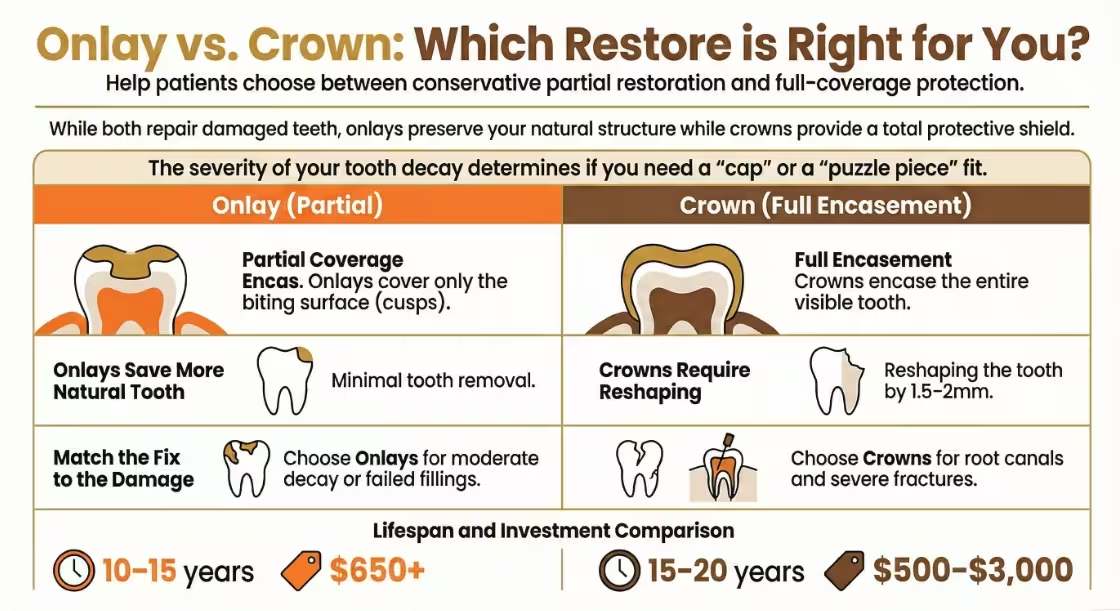
Coverage: How Much of the Tooth is Covered?
The primary difference between onlays and crowns lies in the coverage they provide.
- Onlays: These restorations cover only the cusps or the chewing surface of the tooth, leaving the remaining tooth structure intact. Onlays are suitable for moderate tooth damage or when only part of the tooth is affected.
- Crowns: Crowns cover the entire visible portion of the tooth, offering full protection. They are ideal for more extensive damage or when the tooth’s structure has been compromised.
Invasiveness/Tooth Removal: How Much Tooth Structure is Removed?
- Onlays: Onlays require minimal tooth structure removal. Only the damaged areas of the tooth are removed, preserving most of the natural tooth. This makes them a more conservative option for restoring damaged teeth.
- Crowns: Crowns, on the other hand, require more extensive tooth reduction, usually 1.5-2mm from all surfaces. This is because crowns need to fit snugly around the entire tooth, which often requires reshaping it. This makes crowns a more invasive option compared to onlays.
Best For: Ideal Scenarios for Onlays and Crowns
- Onlays: These are best suited for moderate damage such as a failed filling, fractured cusp, or small cracks. If the tooth structure is still mostly intact, an onlay can restore the tooth’s function without the need for full coverage.
- Crowns: Crowns are needed for severe decay, root canal treatments, or teeth that are structurally weak. Crowns provide complete protection for teeth that are too damaged to be restored by an onlay alone.
Materials: Which Materials Are Used?
Both onlays and crowns can be made from a variety of materials, each offering different benefits:
- Onlays: Common materials for onlays include porcelain, composite, and gold. Porcelain and composite offer aesthetic benefits as they can be matched to the color of natural teeth, while gold is durable and used for back teeth that undergo heavy pressure.
- Crowns: Crowns are commonly made from porcelain, zirconia, or metal alloys. Porcelain is highly aesthetic and commonly used in visible teeth, while zirconia and metal crowns provide added strength for back teeth.
Aesthetic Considerations: How Natural Do They Look?
- Onlays: Onlays are typically made from porcelain or composite, making them blend well with the natural color of your teeth. This makes them ideal for visible teeth, especially those in the front.
- Crowns: While porcelain crowns also offer an aesthetic solution, metal crowns can be noticeable and may not blend as seamlessly with your natural teeth. Therefore, porcelain crowns are recommended for front teeth, while metal crowns are usually reserved for back teeth or molars.
| Aspect | Onlay | Crown |
| Coverage | Covers part of the tooth (1+ cusps or chewing surface) | Covers the entire visible tooth |
| Tooth Structure Removal | Minimal removal, preserves healthy tooth structure | More extensive removal (1.5-2mm reduction) |
| Best For | Moderate damage, failed fillings, fractured cusps | Severe decay, root canal treatments, structurally weak teeth |
| Materials | Porcelain, composite, or gold | Porcelain, zirconia, metal alloys |
| Aesthetic Considerations | Blends with natural tooth color, ideal for visible teeth | Porcelain crowns blend well; metal crowns can be noticeable |
| Procedure Duration | Usually requires two visits | Usually requires two visits (or same-day options with CEREC) |
| Longevity | 10-15 years with proper care | 15-20 years, especially with porcelain or zirconia |
| Cost | $650-$1,200 per tooth | $500-$3,000 per tooth |
| Risk of Chipping/Breakage | Less likely to chip or break compared to crowns | More prone to wear and tear, especially in high-stress areas |
| Suitability for Back Teeth | Ideal for moderate damage in back teeth | Recommended for back teeth under heavy pressure (molars) |
When to Choose an Onlay vs a Crown
Factors Favoring Onlay
Choosing an onlay is often the best option when:
- Preservation of Natural Tooth Structure: If the tooth has mild to moderate damage and you want to preserve as much of your natural tooth as possible, an onlay is a more conservative choice.
- Cost-Effectiveness: Onlays are typically more affordable than crowns, making them a budget-friendly option if you don’t need full coverage.
- Aesthetic Needs: Onlays blend well with the natural color of the tooth, making them ideal for visible teeth.
Factors Favoring the Crown
A crown is the preferred option when:
- Extensive Tooth Damage: If your tooth has severe decay, cracks, or has undergone root canal treatment, a crown is the better option for full restoration.
- Long-Term Strength: Crowns are ideal for teeth that undergo a lot of pressure from chewing, such as molars, and need a stronger, more durable restoration.
- Tooth Protection: If the tooth is weakened and needs extra protection to prevent further damage, a crown will provide the support needed.
If you are experiencing symptoms like cracked tooth pain when you bite down, it often indicates a structural compromise that only the 360-degree support of a crown can resolve.
The Procedure: What to Expect for Onlays vs Crowns
Onlay Procedure
The procedure for getting an onlay typically involves two visits to your dentist:
- First Visit: The dentist will remove the decayed or damaged areas from your tooth. They will then take an impression of the tooth, which will be sent to a lab to create a custom onlay.
- Second Visit: Once the onlay is ready, your dentist will bond it to the tooth using a strong adhesive. The onlay is checked for proper fit and any adjustments are made before final bonding.
Crown Procedure
The procedure for getting a crown also involves two visits:
- First Visit: The dentist will prepare the tooth by reshaping it and removing any decayed areas. An impression will be taken, and a temporary crown will be placed on the tooth.
- Second Visit: The permanent crown is fitted onto the tooth and cemented in place. Your dentist will check the fit and make any necessary adjustments.
Both procedures are straightforward and typically require local anesthesia to ensure comfort. After the procedure, you may experience sensitivity or mild discomfort, but this should subside after a few days.
Longevity and Maintenance
Onlays: How Long Do They Last?
Onlays are typically long-lasting, with a lifespan of about 10-15 years when properly cared for. They are less likely to chip or break compared to crowns, but can be affected by factors like teeth grinding or consuming hard foods. Proper care, including regular brushing, flossing, and dental checkups, can help extend the life of your onlay.
Crowns: How Long Do They Last?
Crowns generally last 15-20 years, especially if they are made from materials like porcelain or zirconia. However, crowns may require replacement over time, particularly if they are placed on teeth that are subjected to heavy pressure, like molars. With proper care, crowns offer excellent protection and strength.
Costs and Insurance Coverage
Onlays: Cost and Affordability
Onlays are typically more affordable than crowns. The cost of an onlay can range from $650 to $1,200 per tooth, depending on the material used and your location. Since onlays require less tooth preparation, they are often considered a cost-effective solution for people with moderate tooth damage. They provide a good balance between aesthetic appeal and durability at a more reasonable price point.
Insurance coverage for onlays will depend on the provider and your specific plan. In many cases, dental insurance may cover a portion of the cost of the restoration, particularly if the onlay is being used to restore a tooth that has significant damage. It’s always a good idea to check with your insurance provider to determine the exact coverage.
Crowns: Cost and Investment
Crowns are generally more expensive than onlays, with prices ranging from $500 to $3,000 per tooth, depending on the material and complexity of the procedure. Porcelain and zirconia crowns tend to be on the higher end of the pricing scale, while metal crowns can be less expensive. The full-coverage nature of crowns requires more tooth reduction, which also makes them more labor-intensive and costly.
Many dental insurance plans offer coverage for crowns, especially if the tooth has undergone a root canal or is severely damaged. However, the out-of-pocket expenses can still be substantial, and the amount of coverage will vary based on your individual plan and the specific procedure performed.
Insurance Coverage for Both Options
Both onlays and crowns are often covered under dental insurance plans, though the amount covered can vary. Major dental restoration treatments like crowns tend to have a higher reimbursement rate, especially when used for functional purposes (e.g., after a root canal). It’s best to check with your provider for specific details on how your insurance will cover either treatment.
Risks and Considerations for Onlays and Crowns
Onlay Risks
While onlays are an excellent solution for many patients, there are some risks associated with them:
- Sensitivity: After placement, some patients may experience sensitivity in the treated tooth, especially to hot or cold temperatures. Many patients worry about tooth sensitivity after filling or other procedures; onlays are less invasive and often result in less post-operative discomfort.
- Breakage or Chipping: Though onlays are durable, they can chip or crack if the tooth is subjected to excessive force, such as grinding your teeth or chewing hard foods. Patients who grind their teeth at night may need to wear a night guard to protect the onlay.
- Bonding Failure: If the bond between the onlay and the tooth fails, the restoration may come loose or fall out. Regular dental checkups are essential to ensure that the onlay remains securely in place.
Crown Risks
Crowns offer great protection, but they also come with certain risks:
- Gum Irritation: After the procedure, some patients may experience gum irritation around the crown. This can usually be managed with proper oral hygiene and may resolve over time.
- Dislodging or Loosening: Crowns can become loose or dislodged, especially if the tooth underneath becomes weakened or if the crown is not properly fitted.
- Replacement: Over time, crowns may need to be replaced due to wear and tear. For example, crowns placed on teeth that are frequently used for grinding or chewing tough foods may wear out faster than those on less stressed teeth.
Both onlays and crowns require proper maintenance to prevent issues. Regular brushing, flossing, and professional cleanings are key to ensuring the longevity of both restorations.
Making the Right Decision: Onlay vs Crown
Consultation with Your Dentist
Choosing between an onlay and a crown depends on several factors, including the severity of the tooth damage, the tooth’s function, your budget, and your personal preferences. Both procedures provide excellent restoration, but it’s crucial to consult with your dentist to determine the best option for your situation.
Your dentist will assess the extent of the damage, the health of your tooth, and other factors before recommending the most suitable restoration. The decision will also depend on whether preserving more of your natural tooth structure is a priority for you, or if you need a more comprehensive restoration.
Personal Preference
Some patients may prefer the less invasive approach of an onlay, as it involves less tooth reduction and offers a more conservative solution. However, if you have a tooth with extensive damage or if you need to restore a tooth that has been treated with a root canal, a crown may be necessary for complete protection and durability.
Ultimately, it’s about your needs, whether it’s cost-effectiveness, tooth preservation, or the strength and protection provided by a crown.
Frequently Asked Questions
What’s the difference between an onlay and a crown?
An onlay is a partial restoration that covers one or more cusps of a tooth, while a crown is a full-coverage restoration that encases the entire visible part of the tooth.
Which lasts longer: an onlay or a crown?
Both onlays and crowns are durable restorations, but crowns tend to last slightly longer, typically 15-20 years, compared to 10-15 years for onlays, depending on the material and care.
Are onlays cheaper than crowns?
Yes, onlays are generally more cost-effective than crowns, with prices typically ranging from $650 to $1,200 per tooth, while crowns can cost $500 to $3,000 depending on the material.
Can I upgrade my onlay to a crown?
Yes, if the onlay becomes damaged or the tooth requires more protection later on, it’s possible to replace the onlay with a crown.
How do I care for my onlay or crown?
Proper care includes brushing twice a day, flossing, and regular dental checkups. Avoid chewing hard foods and grinding your teeth to prolong the life of your restoration.
Which is better for back teeth: an onlay or a crown?
For back teeth, which endure heavy chewing forces, a crown may be the better choice for added strength and protection. However, if the damage is not severe, an onlay can also work well for restoring the tooth.
Final Thoughts
In conclusion, both onlays and crowns are excellent options for repairing damaged teeth, but the choice between them depends on the extent of the damage, your cosmetic goals, and budget. If you have moderate damage and want to preserve more of your natural tooth, an onlay may be the ideal choice. On the other hand, if you have extensive decay, a root canal-treated tooth, or a tooth that needs complete protection, a crown may be necessary.
If you’re still unsure about which restoration option is best for you, book a consultation with one of our experienced dentists at Parramatta Green Dental. We’ll help you make the right decision based on your unique dental needs. Contact us today to schedule your appointment!