
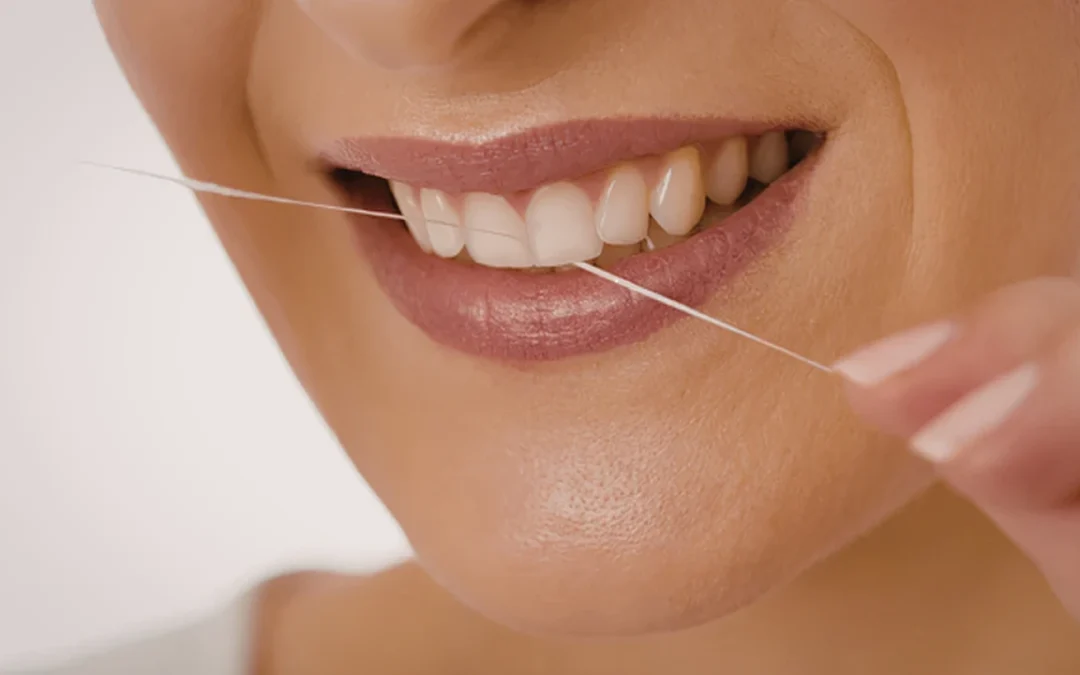
Maintaining a healthy smile goes beyond brushing your teeth. Many Australians underestimate the role of flossing in preventing gum disease, cavities, and other oral complications. Left unchecked, plaque and tartar can accumulate between teeth, leading to gingivitis or periodontitis, which may eventually affect systemic health by contributing to heart disease or diabetes.
Understanding the right frequency, timing, and technique for dental floss use is critical for long-term oral health. At Parramatta Green Dental, we help patients establish effective oral hygiene routines, combining flossing, brushing, and professional dental care to protect teeth and gums efficiently.
Why Flossing Matters: Plaque, Tartar, and Gum Health
Flossing is essential because toothbrushes cannot reach the tight spaces between teeth where food particles and bacteria accumulate. This accumulation forms plaque, a sticky layer that, if not removed, hardens into tartar. Tartar irritates gums, triggering gingivitis, the first stage of gum disease. Without intervention, this inflammation can progress to periodontitis, causing gum recession, tooth decay, and even tooth loss.
Daily flossing helps remove plaque before it mineralises into tartar, reducing the risk of bad breath, cavities, and long-term damage to the gum tissue. Beyond oral health, studies show that regular flossing reduces systemic inflammation, which can positively impact heart disease and diabetes management. Parramatta Green Dental offers guidance on the most effective flossing techniques and tools, including dental floss, water flossers, and interdental brushes, to help Australian patients maintain optimal gum health.
What Flossing Removes That Brushing Can’t
While brushing cleans about 60–70% of tooth surfaces, flossing targets the remaining 30–40%—the spaces between teeth and along the gum line. These areas are prone to plaque buildup and acid formation, which can lead to cavities and gingivitis. Floss picks, dental tape, or floss threaders can make flossing easier, especially for patients with braces, dental implants, or dentures.
Removing trapped food particles with floss or an interdental brush prevents bacteria from producing acid that erodes tooth enamel. Even a short, consistent evening routine of flossing can dramatically reduce gum inflammation and maintain oral health. At Parramatta Green Dental, our team evaluates your oral hygiene habits and recommends the most effective tools to keep your teeth and gums healthy.
The Science Behind Daily Flossing
Daily flossing interrupts the development of plaque, preventing it from becoming tartar. Tartar is not removable with brushing alone and requires professional dental cleaning. By flossing at least once per day, Australians can lower their risk of gum disease, tooth decay, and bad breath.
The timing of flossing can also enhance its effectiveness. Many dentists recommend flossing in the evening, after your last meal, to remove trapped sugar and food debris that bacteria would otherwise feed on overnight. Establishing a habit of daily flossing ensures consistent plaque removal and strengthens long-term oral health.
Early Signs of Gum Disease You Can Prevent With Flossing
Even with regular brushing, signs of gum disease may appear if flossing is neglected:
- Red or swollen gums
- Bleeding while brushing or flossing
- Persistent bad breath
- Gum recession
- Sensitive or loose teeth
Detecting these signs early allows for timely dental interventions such as scaling or professional cleaning. Parramatta Green
Dental provides routine checkups for Australian patients to identify early gingivitis and prevent progression to periodontitis, helping maintain both oral and systemic health.
How Often to Floss: Expert Recommendations
Most dentists recommend flossing at least once a day to prevent gum disease and maintain optimal oral health. While consistency is more important than the exact timing, doing it before bedtime is ideal because it removes food particles and plaque that have accumulated throughout the day. For people with braces, dental implants, or dentures, daily flossing becomes even more crucial to prevent gum inflammation, cavities, and periodontitis.
If establishing a daily habit feels difficult, start by flossing a few teeth at a time and gradually increase until all teeth are cleaned. Parramatta Green Dental helps Australian patients build effective routines with guidance on flossing frequency and technique, ensuring long-term gum and systemic health.
Flossing for Different Age Groups and Situations
- Toddlers and Children (2–12 years): Flossing should begin when two teeth touch, usually around age 2–3. Parents should assist using floss picks or dental tape to reach tight spaces, gradually teaching independent flossing as children grow.
- Teens (13–17 years): Daily flossing is recommended, especially for those with braces or orthodontic appliances. Interdental brushes or floss threaders may help reach difficult areas.
- Adults (18–64 years): Once-daily flossing remains standard. Flossing before bedtime complements regular brushing, reducing overnight plaque and preventing gingivitis and gum disease.
- Seniors (65+ years): Physical challenges such as arthritis may make traditional flossing difficult. Alternatives like water flossers, floss picks, or dental tape are highly effective. Regular professional checkups ensure early detection of gum inflammation and cavities.
Proper Flossing Techniques: Step-by-Step
Using the correct flossing technique maximises benefits and prevents gum injury. Follow these steps for effective cleaning:
- Cut ~45 cm (~18 inches) of dental floss.
- Wrap most of the floss around your middle fingers, leaving a small working section for each gap.
- Gently slide the floss between teeth, forming a C-shape around each tooth.
- Move the floss up and down along the side of each tooth and just below the gumline.
- Use a clean section of floss for each space.
- For implants, bridges, or tight contacts, use floss threaders or interdental brushes for thorough cleaning.
Using proper technique ensures that plaque and bacteria are removed effectively without damaging gums, helping prevent periodontitis, gum recession, and bad breath.
Choosing the Right Flossing Tools
The choice of flossing tools depends on individual needs and dental work:
| Tool | Best For | Notes |
| Traditional dental floss | General use, tight spaces | Waxed or unwaxed depending on preference |
| Floss picks | Convenience and ease of use | Slightly less effective in deep pockets |
| Water flossers | Braces, implants, sensitive gums | Gentle and effective; requires regular cleaning |
| Interdental brushes | Wider gaps or exposed spaces | Ideal for implants or gum recession |
| Dental tape | Sensitive gums or tight contacts | Softer and easier to slide between teeth |
| Floss threaders | Bridges, partial dentures, dental implants | Helps thread floss under wires or implants |
Parramatta Green Dental advises patients on selecting the most suitable tool based on oral anatomy, existing dental work, and gum sensitivity, ensuring daily flossing is both effective and comfortable.
Tips for Making Flossing a Consistent Habit
- Set a routine, e.g., floss at night after brushing.
- Use tools that feel comfortable to reduce resistance.
- Start small: floss a few teeth and gradually work to all.
- Pair flossing with another habit, like rinsing with mouthwash, to reinforce the routine.
- Seek guidance from your dentist or oral hygiene expert for personal technique adjustments.
Regular flossing, when combined with proper brushing, dental cleanings, and professional guidance, significantly lowers the risk of gum disease, cavities, and systemic inflammation.
Overcoming Flossing Challenges and Maintaining Gum Health
Many Australians struggle with daily flossing due to sensitive gums, bleeding, or discomfort, but overcoming these challenges is essential to prevent gum disease, cavities, and periodontitis. Understanding common obstacles and adopting solutions ensures consistent oral hygiene and protects both teeth and gums.
Common Flossing Challenges
- Bleeding Gums: Initial bleeding is normal if gums are inflamed due to plaque or gingivitis. Regular, gentle flossing gradually reduces inflammation. Persistent bleeding gums should be evaluated by a dentist.
- Sensitive Gums: People with gum recession or thin tissue benefit from soft floss, water flossers, or interdental brushes to minimise discomfort.
- Difficulty Reaching Back Teeth: Using floss picks or floss threaders can help reach molars and areas around bridges, braces, or dental implants.
- Dexterity Issues: Seniors or patients with arthritis can use wider grip floss holders or water flossers for effective cleaning.
At Parramatta Green Dental, our oral hygiene experts provide guidance on selecting the right tools and techniques for individual needs, ensuring that every patient can floss effectively without pain or frustration.
Health Benefits of Consistent Flossing
Daily flossing protects oral health and contributes to overall well-being.
Oral Health Benefits
- Reduces Plaque and Tartar: Flossing reaches areas that toothbrushes cannot, preventing cavities and gum disease.
Prevents Gingivitis and Periodontitis: Early removal of bacteria and food debris keeps gums healthy and minimises gum recession. - Fresh Breath: Eliminates trapped food particles and bacteria, reducing bad breath.
Broader Health Connections - Heart Disease: Reduces systemic inflammation linked to cardiovascular risks.
- Diabetes Management: Lowering oral inflammation can improve blood glucose control.
- Overall Systemic Health: Maintaining healthy gums reduces chronic inflammatory stress on the body.
Consistent flossing is an investment in both oral and systemic health, making the daily effort small compared to the long-term benefits.
Long-Term Outcomes of Proper Flossing
Regular flossing as part of a complete oral hygiene routine can have significant long-term outcomes:
- Lower Risk of Advanced Gum Disease: Prevents progression from gingivitis to periodontitis, avoiding bone loss and tooth loss.
- Reduced Need for Complex Dental Work: Minimises interventions such as deep cleaning, scaling, or gum surgery.
- Healthy Smile Across Life Stages: Supports toddlers, teens, adults, and seniors in maintaining oral function and aesthetics.
- Support for Dental Work: Protects dental implants, bridges, and orthodontic appliances from infection or plaque-related complications.
At Parramatta Green Dental, we combine patient education, professional dental cleaning, and monitoring for high-risk patients to ensure that consistent flossing leads to long-term gum and tooth health.
Tips for Maintaining a Successful Flossing Routine
- Pair flossing with brushing and a daily rinse to maximise effectiveness.
- Make flossing part of a fixed evening routine to ensure consistency.
- Choose tools that suit your oral anatomy: water flossers, floss picks, or interdental brushes.
- Schedule regular dental checkups to evaluate technique, detect early gum disease, and adapt the routine as needed.
By following these steps, Australians can prevent gum disease, maintain healthy gums, and reduce risks associated with systemic inflammation, heart disease, and diabetes. Flossing daily is a small step with a big impact on your oral and overall health. If you experience bleeding gums, sensitivity, or difficulty flossing, professional guidance is key.
Schedule a consultation at Parramatta Green Dental to receive personalised advice on flossing techniques, oral hygiene tools, and dental checkups. Our dentists and oral hygiene experts help Australians prevent gum disease, cavities, and systemic health complications, ensuring a healthy, confident smile for life.