
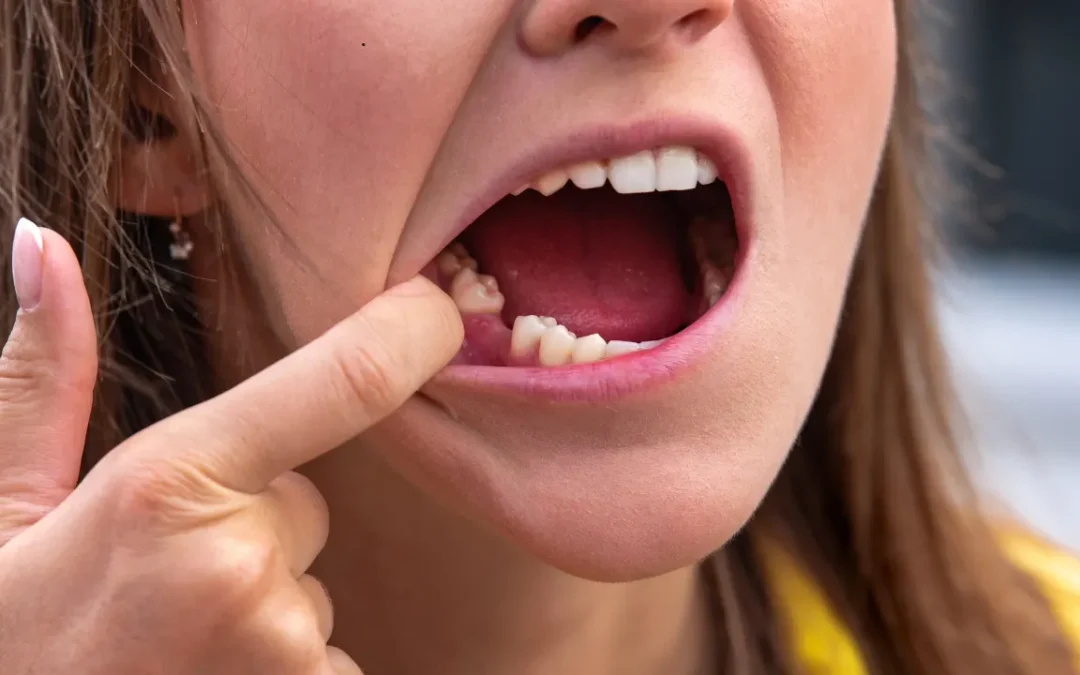
Most tooth extractions heal without significant complications. Mild discomfort, tenderness around the extraction site, and some swelling are considered normal parts of the healing process during the first few days. In many cases, patients notice gradual improvement each day as the extraction site begins to close and surrounding tissues recover. However, concern often arises when pain follows the opposite pattern, becoming more intense several days after the procedure rather than improving.
This delayed increase in pain is one of the reasons patients frequently contact their dentist after an extraction. While some post-operative discomfort is expected, severe or worsening pain can indicate a complication that requires professional assessment. Among the complications associated with tooth extraction, dry socket is one of the most frequently reported. Studies have consistently identified dry socket as one of the most common post-extraction complications, particularly following surgical wisdom tooth removal.
What Is Dry Socket and Why Does It Occur?
Dry socket is a post-extraction complication that affects the healing process within the tooth socket after a tooth has been removed. Dentists refer to this condition as alveolar osteitis, a localised inflammatory reaction that develops when the normal healing environment within the socket is disrupted. Although dry socket can occur after the removal of any tooth, it is more commonly associated with lower wisdom teeth and surgical extractions.
To understand why dry socket develops, it is helpful to first understand how a healthy extraction site heals during the first few days after treatment.
The Role of the Blood Clot in Healing
Immediately after a tooth is extracted, the body initiates a series of healing responses designed to protect the underlying bone and support tissue repair. One of the earliest and most important stages involves the formation of a blood clot within the empty socket.
This blood clot serves several essential functions:
- Protects exposed bone within the extraction site
- Covers sensitive nerve endings
- Acts as a biological barrier against bacteria and debris
- Provides a framework for new tissue growth
- Supports the development of granulation tissue during healing
In the days following extraction, the clot becomes the foundation upon which new tissue develops. As healing progresses, specialised cells gradually replace the clot with new connective tissue and bone. This process allows the extraction site to heal from the inside outward.
When the blood clot remains stable and undisturbed, patients typically experience a gradual reduction in discomfort as healing advances.
What Happens When the Blood Clot Is Lost?
Dry socket develops when the blood clot either fails to form properly, becomes dislodged prematurely, or breaks down before healing has progressed sufficiently. Without the protective clot, the underlying bone and nerve endings may become exposed to the oral environment. This exposure can trigger significant inflammation within the socket and lead to the characteristic pain associated with dry socket.
The consequences of clot loss may include:
- Exposure of underlying bone
- Increased nerve sensitivity
- Delayed tissue healing
- Localised inflammatory reactions
- Greater susceptibility to food debris accumulation
When Do Dry Socket Symptoms Usually Start?
One of the defining characteristics of dry socket is its timing. Most patients who develop the condition do not experience severe symptoms immediately after the extraction. Instead, symptoms often emerge after a period during which healing initially appears normal. Understanding the typical timeline can help patients distinguish between expected post-operative discomfort and symptoms that may require professional evaluation.
Typical Timeline After Tooth Extraction
Although healing rates vary between individuals, the following timeline reflects the pattern commonly observed after routine extractions.
| Time Period | Typical Healing Experience |
| First 24 Hours | Mild bleeding, tenderness, clot formation, manageable discomfort |
| Days 2–4 | Gradual improvement in pain and swelling expected |
| Days 4–7 | Continued healing with decreasing symptoms in most patients |
For patients who develop dry socket, symptoms frequently begin between the second and fourth day after extraction. Rather than improving, pain often intensifies during this period. This delayed onset is one of the reasons dry socket can be confusing. Many patients report feeling relatively comfortable during the first day or two before experiencing a sudden increase in pain several days later.
Normal Healing Symptoms Versus Dry Socket Symptoms
Many patients worry about whether their recovery is progressing normally. While some discomfort is expected after any extraction, the pattern of symptoms often provides important clues.
The following comparison highlights key differences:
| Normal Healing | Possible Dry Socket |
| Improving discomfort over time | Increasing pain several days after extraction |
| Mild swelling that gradually resolves | Severe throbbing pain that worsens |
| Steady healing progression | Delayed or disrupted healing |
| Blood clot remains visible within socket | Blood clot partially or completely missing |
| Mild tenderness around extraction site | Pain radiating beyond extraction site |
| Symptoms respond to prescribed pain relief | Persistent pain despite medication |
A useful general rule is that normal extraction discomfort tends to improve gradually. Dry socket pain often follows the opposite pattern, becoming increasingly severe after an initial period of improvement.
Common Dry Socket Symptoms to Watch For
Although symptoms can vary between individuals, several warning signs are frequently reported in clinical studies and dental practice. Understanding these symptoms can help patients determine whether professional assessment may be necessary.
Severe Throbbing Pain That Worsens Instead of Improving
The most commonly reported symptom of dry socket is intense pain that develops or increases several days after extraction.
Unlike routine post-operative discomfort, which generally improves over time, dry socket pain often becomes progressively worse. Patients frequently describe the pain as:
- Deep
- Throbbing
- Persistent
- Difficult to localise
- Disproportionate to expectations
The pain may interfere with eating, sleeping, speaking, or concentrating on daily activities. Many patients report that standard pain medications provide only limited relief. This worsening pain pattern is often considered one of the most reliable indicators that healing may not be progressing normally.
Pain Radiating to the Ear, Eye or Temple
Another distinguishing feature of dry socket is referred pain. Because nerves supplying the teeth and jaws share pathways with other facial structures, pain originating within the extraction site can spread to nearby regions. Patients may experience discomfort extending to:
- The ear on the affected side
- The temple region
- The eye area
- The jaw joint
- Adjacent teeth
Radiating pain is particularly common following lower wisdom tooth extractions. In some cases, patients may perceive the discomfort as originating from a wider area than the extraction site itself.
Visible Bone Within the Extraction Site
In a normally healing socket, the blood clot helps cover the underlying bone. When the clot is lost, the extraction site may appear noticeably different. Some patients observe:
- An empty-looking socket
- A pale or white appearance within the socket
- Visible bone surfaces
- A lack of dark clot material
However, visual appearance alone cannot confirm dry socket. Normal healing tissue can sometimes appear white or yellow during recovery. For this reason, symptoms should always be assessed in combination with clinical findings and pain patterns.
Persistent Bad Breath or Unpleasant Taste
Some patients with dry socket report ongoing bad breath or an unpleasant taste that does not improve with routine oral hygiene measures. Several factors may contribute to these symptoms, including:
- Food accumulation within the socket
- Breakdown of tissue within the healing site
- Exposure of underlying structures
- Local inflammatory changes
While bad breath alone does not confirm dry socket, it may occur alongside other symptoms such as pain and visible clot loss.
Increased Sensitivity Around the Extraction Area
Loss of the protective blood clot can expose sensitive tissues within the extraction socket. As a result, patients may notice increased sensitivity when the area is exposed to:
- Cold foods or drinks
- Air movement
- Oral hygiene activities
- Pressure from chewing
This heightened sensitivity occurs because exposed bone and surrounding tissues have reduced protection compared with a normally healing extraction site.
Although sensitivity can occur during routine healing, severe sensitivity accompanied by worsening pain should be assessed by a dentist.
Risk Factors That Increase the Likelihood of Dry Socket
Not every patient who undergoes an extraction develops dry socket. Research suggests that several factors can increase the likelihood of clot disruption and impaired healing. Understanding these risk factors helps patients take appropriate precautions during recovery.
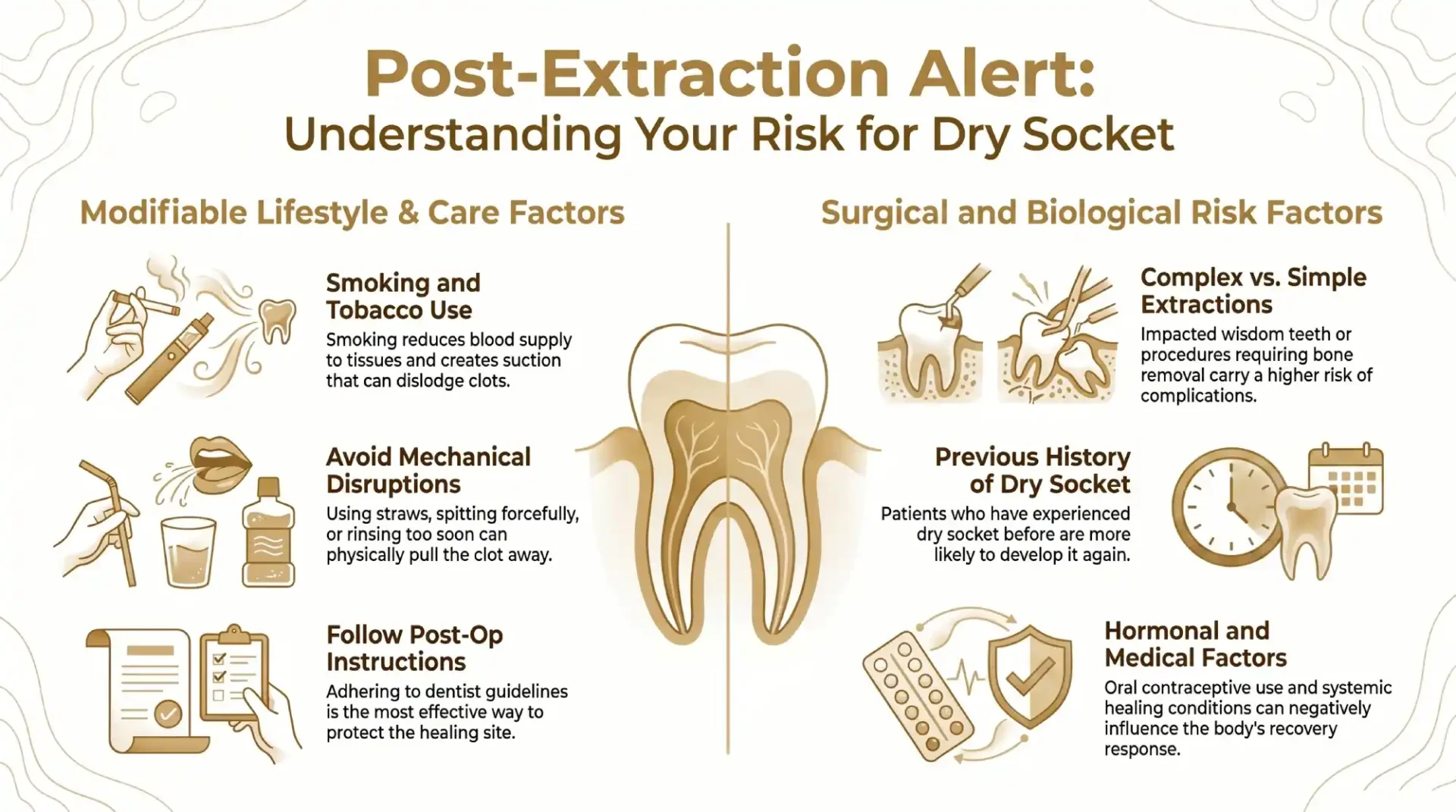
Smoking and Tobacco Use
Smoking remains one of the most consistently identified risk factors for dry socket. Several mechanisms may contribute to this increased risk:
- Reduced blood supply to healing tissues
- Heat exposure within the extraction site
- Mechanical suction during smoking
- Delayed tissue repair
Studies have repeatedly shown higher rates of dry socket among smokers compared with non-smokers. For this reason, dentists commonly advise avoiding smoking during the early healing period following extraction.
Difficult or Surgical Tooth Extractions
The complexity of the extraction procedure can influence the likelihood of developing dry socket.
- Higher-risk procedures may include:
- Impacted wisdom tooth removal
- Surgical extractions
- Teeth requiring sectioning
- Extractions involving significant bone removal
These procedures may create greater tissue disruption, increasing the possibility of post-operative complications compared with straightforward extractions.
Previous History of Dry Socket
Patients who have experienced dry socket in the past may have a higher likelihood of developing the condition again following future extractions. While the exact reasons remain unclear, previous history is often considered during treatment planning and post-operative care discussions. Dentists may recommend additional preventive measures for patients with known risk factors.
Poor Post-Operative Care
Following extraction instructions carefully plays an important role in protecting the developing blood clot. Activities that may increase clot disruption include:
- Vigorous rinsing too soon after extraction
- Using drinking straws
- Spitting forcefully
- Touching the extraction site
- Ignoring post-operative instructions
These actions can create mechanical forces capable of dislodging the clot before healing becomes established.
Certain Medical and Hormonal Factors
Research has also explored potential associations between dry socket and certain biological factors. Examples include:
- Hormonal fluctuations
- Oral contraceptive use
- Healing-related systemic conditions
- Individual variations in clot formation
Although these factors do not guarantee complications, they may influence the body’s healing response following extraction. Dentists often consider medical history when assessing individual risk profiles.
How Dentists Diagnose Dry Socket
Diagnosing dry socket involves more than simply identifying pain after an extraction. Many conditions can cause discomfort during recovery, and accurate diagnosis is important for selecting appropriate treatment. Dentists typically combine clinical findings, symptom history, and examination results when evaluating a healing extraction site.
Clinical Examination of the Extraction Site
A clinical examination allows the dentist to assess how the socket is healing and whether any abnormalities are present.
During evaluation, the dentist may examine:
- Presence or absence of a blood clot
- Appearance of surrounding tissues
- Exposure of bone
- Signs of delayed healing
- Food debris accumulation
- Tissue inflammation
This assessment helps determine whether the symptoms are consistent with dry socket or another post-extraction complication.
Symptoms Dentists Consider During Assessment
Pain characteristics play a major role in diagnosis. Factors commonly evaluated include:
- Timing of symptom onset
- Severity of pain
- Pain progression
- Radiation of pain
- Response to pain medication
- Presence of bad taste or bad breath
The combination of worsening pain several days after extraction and characteristic examination findings often provides strong evidence for diagnosis.
Conditions That May Mimic Dry Socket
Several conditions can produce symptoms similar to dry socket and must be considered during assessment. Potential alternatives include:
- Post-operative infection
- Retained root fragments
- Food impaction within the socket
- Normal healing discomfort
- Localised trauma to the extraction site
Because treatment approaches differ between these conditions, professional evaluation remains the most reliable way to establish an accurate diagnosis.
When Should You Contact a Dentist?
Most extraction sites heal without complications, but certain symptoms warrant prompt dental assessment. Early evaluation can help determine whether symptoms represent dry socket, infection, or another healing concern.
Symptoms That Require Prompt Assessment
Patients should consider contacting their dentist if they experience:
- Severe pain that worsens after extraction
- Pain that develops several days after treatment
- Visible bone within the extraction site
- Pain radiating into the ear, eye, or temple
- Persistent unpleasant taste
- Persistent bad breath accompanied by pain
At Parramatta Green Dental, patients who have recently undergone tooth extraction or wisdom tooth removal are encouraged to contact the clinic if recovery does not follow the expected healing pattern.
Signs That May Indicate Another Complication
Some symptoms may suggest a condition other than dry socket and should also be evaluated promptly. These include:
- Fever
- Increasing facial swelling
- Pus or discharge
- Difficulty swallowing
- Difficulty breathing
- Progressive redness around the extraction site
Unlike dry socket, these symptoms may indicate infection or another complication requiring immediate dental or medical attention. Early assessment helps ensure that appropriate treatment is provided and that healing can continue with minimal disruption.
How Is Dry Socket Treated?
Dry socket treatment focuses on relieving pain, protecting the extraction site, and supporting the body’s natural healing process. Unlike bacterial infections, dry socket does not typically resolve through antibiotics alone because the primary issue involves loss of the protective blood clot and exposure of underlying tissues.
Patients should avoid attempting self-treatment without professional advice. Home remedies may not address the underlying problem and, in some cases, can further irritate the healing tissues.
Pain Management Approaches
Pain control is often the immediate priority when managing dry socket because symptoms can be significantly more intense than normal post-extraction discomfort. A dentist may recommend:
- Appropriate over-the-counter pain relief
- Prescription medications, when required
- Anti-inflammatory medications where suitable
- Local measures to reduce irritation
The goal is to improve comfort while the extraction site continues to heal naturally. Pain relief recommendations should always take into account the patient’s medical history, allergies, and current medications. Patients should avoid exceeding recommended medication doses and should seek professional advice if pain remains severe despite treatment.
Medicated Dressings and Socket Care
One of the most commonly used treatments for dry socket involves placing a medicated dressing within the extraction site.
These dressings may help:
- Protect exposed bone
- Reduce nerve irritation
- Improve patient comfort
- Support local healing conditions
Before placing a dressing, the dentist may gently irrigate the socket to remove food debris and accumulated material. This cleaning process helps create a healthier environment within the extraction site.
Depending on the severity of symptoms, dressings may need to be replaced periodically until discomfort subsides. It is important to understand that medicated dressings do not instantly heal the socket. Instead, they provide symptomatic relief while the body’s healing mechanisms continue to repair the area.
Supporting Healing After Treatment
Successful recovery often depends on a combination of professional treatment and careful home care.
Following treatment, patients may be advised to:
- Follow post-operative instructions closely
- Maintain gentle oral hygiene practices
- Avoid smoking and tobacco products
- Avoid disturbing the extraction site
- Stay hydrated
- Attend follow-up appointments if recommended
Most patients experience noticeable symptom improvement after appropriate management, although complete healing may still require time. The healing process varies between individuals and depends on factors such as overall health, extraction complexity, and adherence to aftercare recommendations.
Can Dry Sockets Be Prevented?
Although dry socket cannot always be prevented, several measures may reduce the likelihood of clot disruption and support normal healing following tooth extraction. Preventive care begins immediately after the procedure and continues throughout the early stages of recovery. Following professional advice carefully remains one of the most effective ways to minimise complications.
Following Post-Extraction Instructions
Post-operative instructions are provided for a specific reason: to protect the extraction site during its most vulnerable stage of healing. Patients are commonly advised to:
- Bite gently on gauze as instructed
- Avoid excessive physical activity immediately after extraction
- Take prescribed medications correctly
- Follow dietary recommendations
- Attend review appointments if required
These measures help create favourable conditions for clot stability and tissue repair.
Ignoring aftercare instructions may increase the likelihood of complications, including dry socket.
Protecting the Blood Clot During Early Healing
Because clot disruption plays a central role in dry socket development, protecting the blood clot is one of the most important preventive strategies. Patients are generally advised to avoid:
- Smoking
- Vaping
- Drinking through straws
- Forceful rinsing
- Vigorous spitting
- Touching the extraction site with fingers or objects
These activities can create suction or mechanical forces capable of dislodging the clot before it becomes established.
The first few days following extraction are particularly important because the clot remains relatively fragile during this period.
Oral Hygiene Recommendations After Extraction
Maintaining oral hygiene remains important after an extraction, but cleaning methods may need temporary modification.
Dentists commonly recommend:
- Continuing routine brushing away from the extraction site
- Keeping the mouth clean without disturbing healing tissues
- Using recommended rinses when appropriate
- Following individualised oral hygiene instructions
Good oral hygiene helps reduce bacterial accumulation and supports a healthier healing environment. Patients should remember that oral hygiene recommendations can vary depending on the type of extraction performed, overall oral health, and individual risk factors.
Key Takeaways About Dry Socket Symptoms
Dry socket is a recognised complication that can occur after tooth extraction when the normal healing process is disrupted. While most extraction sites heal without significant issues, understanding the warning signs can help patients recognise when professional assessment may be needed.
- Several important points should be remembered:
- Dry socket symptoms typically develop between two and four days after extraction.
- Pain usually becomes worse rather than better over time.
- Severe throbbing pain is often the most prominent symptom.
- Discomfort may radiate to the ear, temple, eye, or jaw.
- The extraction socket may appear empty if the protective blood clot has been lost. Persistent bad breath or an unpleasant taste can occur alongside pain.
- Smoking, surgical extractions, and poor post-operative care may increase risk.
- Early assessment can improve comfort and help rule out other complications.
Perhaps the most useful distinction for patients is that normal extraction discomfort generally improves with each passing day. When symptoms follow the opposite pattern and become progressively worse several days after treatment, professional evaluation is warranted. For patients who have recently undergone a tooth extraction or wisdom tooth removal, prompt assessment can provide reassurance, appropriate treatment, and guidance for a smoother recovery.