
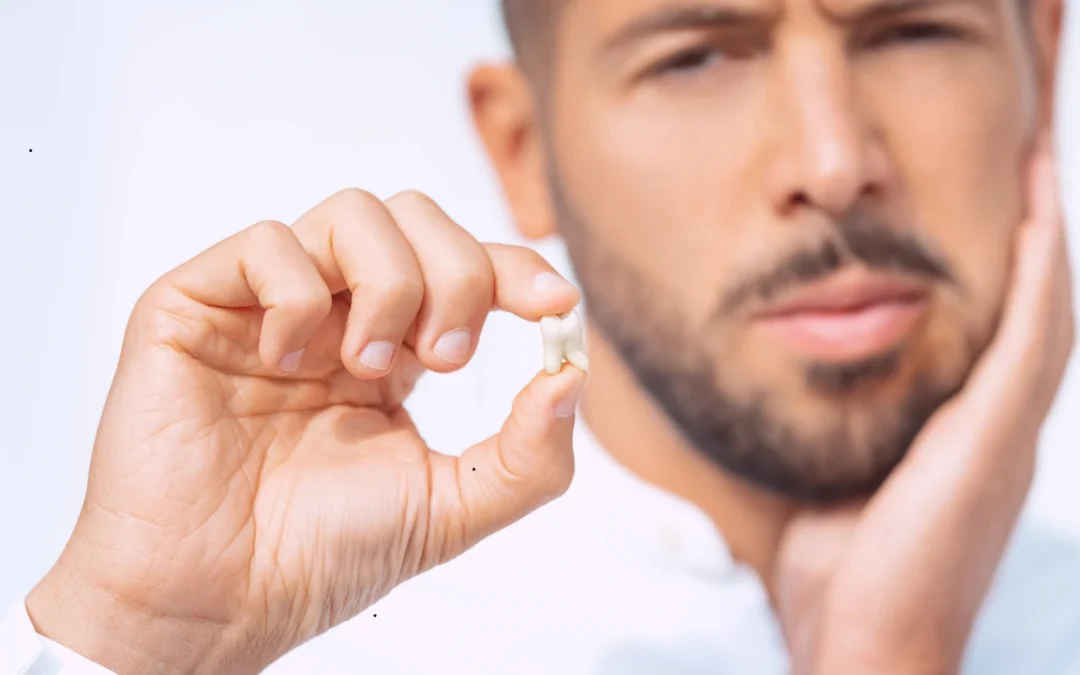
After wisdom tooth removal, many people become concerned when their face feels puffy, their jaw feels tight, or swelling seems worse the day after surgery. This is one of the most common reasons patients call a dental clinic after an extraction. The good news is that swelling after wisdom tooth extraction is often a normal part of healing. In many cases, it is simply the body responding to surgical treatment. The challenge is knowing the difference between expected post-operative swelling and signs that may need professional attention. Understanding what is normal, how recovery usually progresses, and what can help reduce swelling can make the healing process much less stressful. For patients in Australia recovering after wisdom tooth removal, this guide explains what to expect and when to seek advice.
Is Swelling Normal After Wisdom Tooth Extraction?
Yes, swelling after wisdom tooth extraction is usually normal. It is a common response after oral surgery, especially if the tooth was impacted, difficult to remove, or positioned beneath the gum or bone. During extraction, the surrounding tissues may experience irritation, and the body responds by increasing blood flow and fluid to the area as part of the healing process. This often leads to facial swelling, gum swelling, and sometimes mild jaw swelling.
For many patients, swelling does not appear immediately. It often starts gradually within the first several hours after surgery, becomes more noticeable the following day, and may continue to increase before it begins to improve. This pattern often causes concern, especially when patients assume swelling should improve straight away. In reality, some increase during the first two to three days can be expected.
The amount of swelling can vary depending on factors such as:
- Whether the wisdom tooth was impacted
- Whether stitches were placed
- The position of the tooth
- How difficult the extraction was
- Individual healing response
- Whether infection was present before removal
Patients who have lower impacted wisdom teeth removed often notice more swelling than those having a simple upper wisdom tooth extraction.
Why Swelling Happens After Oral Surgery
Swelling is part of the body’s inflammatory response. Although inflammation often sounds negative, it plays a role in healing. After wisdom tooth removal, the body may respond by:
- Sending blood flow to the area
- Delivering healing cells to the tissues
- Protecting the extraction site
- Supporting repair of gum and bone tissue
This process can create visible swelling around the cheeks, jawline or inside the mouth. Some patients also notice mild jaw stiffness, sometimes called trismus, which can make opening the mouth feel difficult for a few days. This can happen when nearby muscles react to surgery. These responses are often temporary and improve as healing progresses.
When Does Swelling Peak After Wisdom Tooth Extraction?
One of the most important things patients should know is that swelling often peaks after surgery before it improves.
For many people:
| Recovery Period | What Often Happens |
| First 24 hours | Swelling begins |
| 48–72 hours | Swelling often peaks |
| Day 4 onward | Swelling often starts reducing |
This means swelling is often worse on day two or day three than it was immediately after extraction. That can be normal. This is one reason many dentists explain that the second or third day can sometimes feel more uncomfortable than the first. Understanding this normal pattern can prevent unnecessary worry.
How Long Does Swelling Usually Last?
The duration of swelling can depend on how involved the extraction was. For mild cases, noticeable swelling may settle within a few days. For more involved extractions, especially impacted wisdom teeth, swelling may take one to two weeks to fully resolve. General timelines may look like this:
Mild Swelling
- Often improves after day three
- May settle within several days
Moderate Swelling
- May remain noticeable for up to a week
More Significant Surgical Swelling
- May take one to two weeks to fully resolve
Healing does not look identical for everyone, which is why individual variation matters.
Why Impacted Wisdom Teeth May Cause More Swelling
Impacted wisdom teeth often require more involved treatment than teeth that have fully erupted. This may include:
- Accessing gum tissue
- Removing the surrounding bone
- Dividing the tooth for removal
- More surgical manipulation of the area
Because the tissues may experience more disturbance, the body may produce a stronger inflammatory response. This often means:
- More swelling
- More jaw stiffness
- Longer recovery compared with simple extractions
This does not automatically mean there is a problem. It may simply reflect the type of extraction performed.
How to Reduce Swelling After Wisdom Tooth Removal

While some swelling is part of normal healing, there are practical ways to help reduce it. Early after surgery, one of the most common recommendations is cold therapy. Applying an ice pack to the outside of the face in short intervals may help during the first 24 hours. Many patients use an approach such as:
- Apply cold pack for 15–20 minutes
- Remove for 15–20 minutes
- Repeat as instructed by the treating dentist or oral surgeon
This may help limit early swelling. After the initial phase, some patients may be advised to transition to warm compresses, depending on their dentist’s instructions.
Rest and Head Elevation
Rest plays a key role in managing swelling after wisdom tooth extraction. Lying flat can cause fluid to pool around the surgical area, worsening discomfort. Keeping your head elevated, even while sleeping, helps reduce this buildup. Many patients achieve this with an extra pillow or a slightly elevated sleeping position. Pairing elevation with reduced activity for the first few days supports faster recovery.
Medications and Pain Relief
Medications can effectively manage pain and inflammation following the procedure. Your dentist may prescribe or recommend specific options, but always follow their directions precisely. Sticking to post-operative instructions minimizes complications and promotes smooth healing.
Foods to Eat While Swelling Is Present
Smart food choices ease discomfort during swelling and tenderness. Soft foods are ideal as they require minimal chewing and reduce irritation in the extraction area. Good options include yogurt, mashed potatoes, lukewarm soup, scrambled eggs, smoothies (without straws), soft pasta, and rice. These help while the site begins to heal.
What Can Make Swelling Worse?
Certain habits can irritate tissues and slow healing. Avoid smoking, using straws, heavy exercise too soon, sleeping flat, touching the extraction site, or ignoring aftercare instructions. Smoking and suction from straws are especially risky, as they can dislodge the vital blood clot needed for proper healing. Prioritizing aftercare makes a big difference.
Signs of Infection After Wisdom Tooth Extraction
One reason patients worry about swelling is concern about infection. Infection after wisdom tooth removal is not the same as normal post-surgical inflammation. Normal swelling may occur without infection. Possible infection signs may include swelling combined with:
- Fever
- Pus or discharge
- Increasing pain
- Redness or warmth near the extraction area
- Bad taste in the mouth
- Persistent bad breath
- Swelling is worsening instead of improving
Some patients may also notice throbbing discomfort or a feeling of pressure. These signs should be assessed professionally. In some situations, infection may involve deeper tissues and may require treatment. That is why persistent or worsening symptoms should be reviewed rather than assumed to be routine healing.
Dry Socket vs Normal Swelling
Dry socket is another condition patients often worry about, but it is often misunderstood. Dry socket usually happens when the blood clot at the extraction site is lost or disrupted too early. This can expose underlying bone and nerves. Its main symptom is often significant pain. Normal swelling alone does not mean dry socket.
Key Differences
| Symptom | Normal Swelling | Dry Socket |
| Swelling | Common | May or may not occur |
| Pain improving | Often yes | Usually no |
| Severe pain | Usually no | Common |
| Empty-looking socket | No | Possible |
| Pain radiating to ear or jaw | Uncommon | Common |
This distinction matters because some patients assume any discomfort or swelling means dry socket, which is not necessarily true. Dry socket is usually more strongly linked to worsening pain than swelling alone.
Can Dry Socket Cause Swelling?
Dry socket can sometimes involve some swelling, but swelling is usually not its defining symptom. Severe throbbing pain is often the bigger concern. This is one reason patients experiencing significant pain after extraction should seek assessment rather than trying to self-diagnose the cause.
Jaw Stiffness and Difficulty Opening the Mouth (Trismus)
Some patients notice that the jaw feels stiff after wisdom tooth surgery. This is often called trismus. It can happen because nearby muscles react to inflammation or remain tight after the procedure. Patients may notice:
- Difficulty opening wide
- Tightness when chewing
- Discomfort when speaking
- Jaw soreness near the extraction side
This can be more common after lower wisdom tooth removal or impacted extractions. In many cases, this improves as swelling settles. If jaw stiffness worsens rather than improving, it may be worth discussing with the treating dentist.
Why Some People Swell More Than Others
Even when the procedure is similar, recovery can vary widely between individuals. The body’s inflammatory response is unique, meaning two patients can have the same extraction but different levels of swelling. Key reasons include:
- Natural immune response strength
- Tissue sensitivity
- Previous infections in the area
- Smoking habits
- Oral hygiene before and after surgery
- Level of surgical difficulty
- Presence of multiple extractions in one session
Patients who already had pain or infection before the procedure may also experience more noticeable swelling afterwards because the tissues were already inflamed.
Frequently Asked Questions
Is swelling after wisdom tooth extraction normal?
Yes, swelling is a normal part of healing after wisdom tooth removal. It usually starts within the first day, peaks around day two or three, and then gradually improves as healing continues.
How long does swelling last after wisdom tooth extraction?
Mild swelling may settle within a few days, while more significant swelling from impacted wisdom tooth removal may take up to one or two weeks to fully resolve.
How do I know if swelling is an infection?
Swelling linked to infection is often accompanied by other symptoms such as fever, worsening pain, pus, bad taste, or swelling that continues increasing after the third day instead of improving.
Why is my jaw still swollen after a week?
Some swelling can persist for up to a week or longer after more complex extractions, especially impacted wisdom teeth. However, swelling should gradually reduce over time. If it worsens or remains severe, it should be checked by a dentist.
When will the swelling fully go away?
Most swelling improves significantly within 7 to 14 days, depending on the complexity of the extraction and individual healing response.
Final Thoughts: What to Expect During Normal Wisdom Tooth Recovery
Swelling after wisdom tooth extraction is part of the body’s natural healing process. It often follows a predictable pattern where it increases during the first few days, peaks around day two or three, and then gradually improves. While the experience can feel uncomfortable, especially after surgical or impacted extractions, it is usually temporary and manageable with proper care.
The key is understanding what is normal and what is not. Mild to moderate swelling that slowly improves is generally expected. Swelling that continues to worsen, is accompanied by fever, severe pain, or other concerning symptoms, should always be reviewed by a dental professional.
For patients recovering in Australia, especially after wisdom tooth removal, follow-up care can make a meaningful difference in comfort and healing speed. Clinics such as Parramatta Green Dental provide post-operative guidance and review appointments to ensure recovery is progressing as expected and to manage any concerns early.