
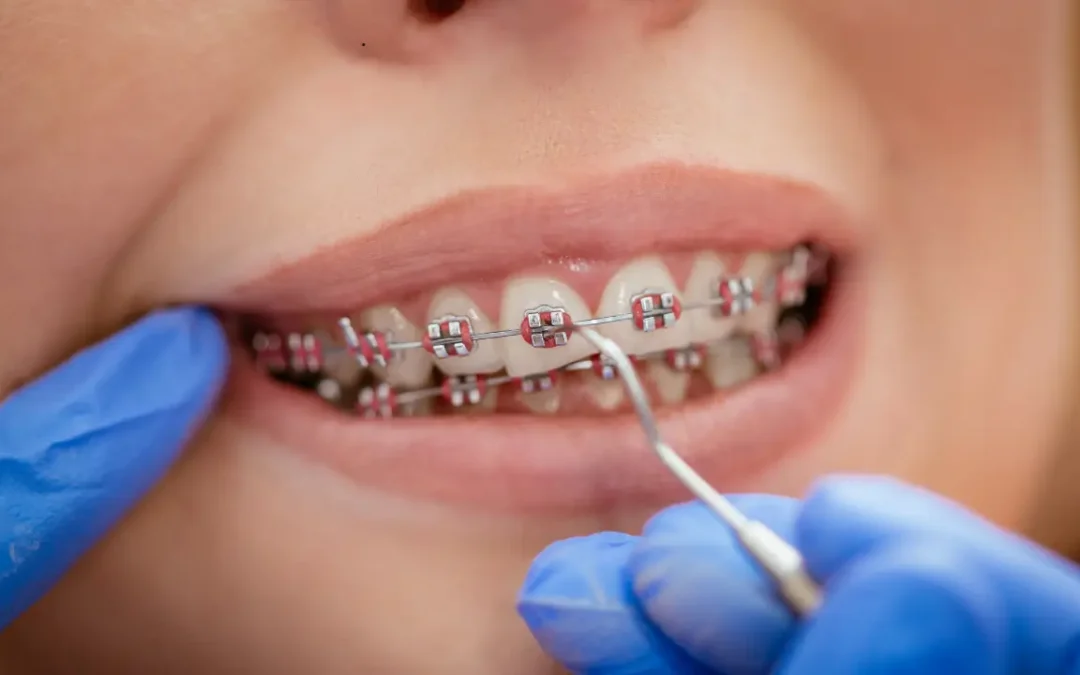
Many people considering orthodontic treatment ask a simple question: Do braces actually work? While this appears straightforward, the answer depends on how success is defined, measured, and maintained over time. Braces have been used for decades to correct crowding, spacing, bite irregularities, and jaw-related alignment concerns. However, successful treatment involves much more than straight teeth at the end of active treatment.
Orthodontists evaluate success using a combination of clinical measurements, functional improvements, long-term stability, and patient-specific treatment goals. Research consistently shows that fixed orthodontic appliances can achieve highly predictable tooth movement when treatment planning, patient cooperation, and retention protocols are properly followed. At the same time, outcomes can vary significantly between individuals because every orthodontic case presents unique anatomical, biological, and behavioural factors.
Understanding what contributes to successful braces treatment can help patients develop realistic expectations and make informed decisions before starting orthodontic care.
How Is Success Measured in Orthodontics?
Orthodontic treatment success is not measured by a single percentage or universal benchmark. Researchers, orthodontists, and professional organisations use multiple clinical indicators to determine whether treatment objectives have been achieved. This approach reflects the fact that orthodontics aims to improve both appearance and oral function while supporting long-term dental health.
For some patients, success may involve correcting severe crowding that affects oral hygiene. For others, treatment may focus on resolving bite discrepancies that contribute to uneven tooth wear or jaw discomfort. As a result, orthodontic outcomes are typically assessed using a combination of objective clinical measurements and patient-centred goals.
Clinical Indicators of Successful Treatment
Orthodontists rely on several clinical markers when evaluating treatment outcomes. These measurements help determine whether teeth have moved into their planned positions and whether the bite functions properly after treatment.
Common indicators include:
| Clinical Indicator | Purpose |
| Tooth Alignment | Assesses correction of crowding and spacing |
| Overbite | Evaluates vertical overlap between upper and lower teeth |
| Overjet | Measures horizontal distance between upper and lower front teeth |
| Midline Alignment | Examines positioning of upper and lower dental arches |
| Occlusal Relationship | Determines how upper and lower teeth fit together |
| Arch Coordination | Evaluates symmetry and alignment of dental arches |
| Stability | Assesses maintenance of results after treatment |
From a clinical perspective, successful treatment generally produces a stable bite, improved tooth positioning, and appropriate contact between opposing teeth. These outcomes contribute to both function and aesthetics while supporting oral health over the long term.
Orthodontists may also use standardised assessment tools such as the Peer Assessment Rating (PAR) Index and Index of Orthodontic Treatment Need (IOTN) when evaluating treatment effectiveness in research settings. These systems allow treatment outcomes to be measured objectively across different patient populations.
Functional and Aesthetic Treatment Goals
Although straight teeth are often the most visible outcome of braces treatment, aesthetics represent only one component of orthodontic success.
- Functional improvements frequently include:
- Better chewing efficiency
- Improved bite stability
- Reduced traumatic tooth contact
- Easier cleaning between teeth
- Lower risk of plaque retention caused by crowding
- Improved speech in selected cases
- More balanced force distribution during biting
Aesthetic goals may involve:
- Improved smile symmetry
- Reduced spacing between teeth
- Correction of crowding
- Improved dental proportions
- Better facial balance in selected orthodontic cases
Importantly, treatment goals vary between individuals. A teenager with moderate crowding may have different objectives compared with an adult requiring comprehensive bite correction. For this reason, orthodontic success should always be evaluated against the original treatment plan rather than a single universal standard.
What Does Current Research Reveal About Braces Success Rates?
Public discussions about braces often focus on a specific success rate percentage. However, orthodontic research paints a more nuanced picture. Success rates reported in scientific studies vary depending on the patient population, treatment complexity, outcome measures, and duration of follow-up.
Most contemporary evidence supports the effectiveness of fixed braces for correcting a wide range of orthodontic problems. Nevertheless, interpreting orthodontic success rates requires an understanding of how researchers define and measure treatment outcomes.
Challenges in Measuring Orthodontic Outcomes
One of the primary challenges in orthodontic research is the absence of a universally accepted definition of treatment success.
Different studies may evaluate:
- Tooth alignment
- Bite correction
- Long-term stability
- Patient satisfaction
- Treatment duration
- Need for retreatment
This variation can produce substantially different reported success rates.
For example, a study measuring alignment immediately after treatment may report highly favourable outcomes. However, a study examining patients several years later may identify varying degrees of relapse, resulting in different conclusions regarding long-term success.
Researchers must also account for factors such as:
- Age differences
- Growth and development
- Treatment mechanics
- Retention protocols
- Initial malocclusion severity
- Patient compliance
These variables make direct comparisons between studies difficult and explain why orthodontic success rates often appear inconsistent across different publications.
Reported Success Rates Across Different Studies
Orthodontic literature generally demonstrates favourable treatment outcomes for conventional fixed braces when treatment is appropriately planned and executed.
Several studies evaluating fixed appliance therapy have reported substantial improvements in objective outcome measures such as:
- Alignment correction
- Occlusal relationships
- Arch coordination
- Reduction in treatment need scores
Research consistently supports the effectiveness of braces for treating:
- Mild crowding
- Moderate crowding
- Severe crowding
- Spacing concerns
- Deep bites
- Crossbites
- Certain open bite cases
While many published articles reference treatment success rates exceeding 80% to 90% under specific conditions, these figures should be interpreted carefully because outcome definitions vary considerably between studies.
A more useful conclusion from the evidence is that fixed braces remain one of the most predictable orthodontic treatment methods available, particularly in cases requiring significant tooth movement and detailed biomechanical control.
Limitations of Existing Evidence
Although orthodontic research provides valuable insights, several limitations affect the interpretation of published success rates.
Common limitations include:
| Research Limitation | Impact on Findings |
| Small sample sizes | Reduced generalisability |
| Short follow-up periods | Limited assessment of long-term stability |
| Different outcome measures | Difficult study comparisons |
| Variable retention protocols | Influences relapse rates |
| Diverse malocclusion types | Creates treatment heterogeneity |
| Patient compliance differences | Affects treatment outcomes |
Another important consideration is that many studies focus on clinical measurements rather than patient-centred outcomes such as quality of life, confidence, and satisfaction.
For patients considering braces treatment, the most relevant question may not be whether treatment achieves a specific percentage success rate. Instead, the more meaningful consideration is whether the chosen treatment approach can realistically achieve the desired clinical objectives while supporting long-term stability.
Factors That Influence Braces Treatment Success
Orthodontic treatment outcomes are influenced by a combination of biological, mechanical, and behavioural factors. Even when the same appliance system is used, results can vary significantly depending on individual circumstances. Understanding these influences helps explain why some patients achieve exceptionally stable outcomes while others experience complications, prolonged treatment times, or increased risk of relapse.
Initial Diagnosis and Treatment Planning
Successful orthodontic treatment begins long before braces are placed. Accurate diagnosis forms the foundation of every treatment decision and directly influences the predictability of outcomes.
A comprehensive orthodontic assessment may include:
- Clinical examination
- Digital photographs
- Intraoral scans
- Panoramic radiographs
- Cephalometric analysis
- Bite assessment
- Growth evaluation, where applicable
These diagnostic tools allow clinicians to identify the underlying causes of malocclusion rather than simply addressing visible symptoms.
Poor treatment planning can create unnecessary challenges during treatment, whereas a well-structured treatment plan provides a clear roadmap for achieving desired outcomes efficiently and safely.
Type and Severity of Malocclusion
The nature of the orthodontic problem itself plays a major role in determining treatment complexity and predictability.
Common malocclusions include:
| Malocclusion Type | Typical Treatment Complexity |
| Mild Crowding | Lower |
| Moderate Crowding | Moderate |
| Severe Crowding | Higher |
| Deep Bite | Moderate to High |
| Crossbite | Moderate |
| Open Bite | High |
| Skeletal Discrepancies | High |
Patients with mild alignment concerns often achieve treatment objectives more quickly than individuals requiring correction of complex bite relationships or skeletal abnormalities. Severe malocclusions may involve greater treatment challenges because tooth movement must occur within biological limits while maintaining periodontal health and functional stability.
Orthodontic Biomechanics and Clinical Management
Orthodontic biomechanics refers to the controlled application of force to achieve planned tooth movement. Every tooth responds differently to orthodontic forces. Excessive force can increase the risk of complications, while insufficient force may slow treatment progress.
Effective clinical management requires careful control of:
- Force magnitude
- Force direction
- Anchorage requirements
- Tooth movement sequencing
- Arch development
- Space management
Advanced orthodontic cases often require detailed biomechanical planning to achieve desired outcomes while minimising unwanted tooth movement. This aspect of treatment is one reason fixed braces continue to play an important role in comprehensive orthodontic care. Their design allows precise control over complex tooth movements that may be difficult to achieve with less rigid appliance systems.
Patient Compliance During Treatment
Patient cooperation remains one of the most influential factors affecting orthodontic success. Even with an excellent treatment plan, outcomes can be compromised if instructions are not followed consistently.
Examples of patient-related factors include:
- Attending scheduled appointments
- Wearing elastics as prescribed
- Following appliance care instructions
- Avoiding foods that damage brackets
- Reporting appliance breakages promptly
- Maintaining oral hygiene routines
Research repeatedly demonstrates that compliance can significantly influence treatment duration, treatment quality, and long-term stability. Patients who actively participate in their treatment process generally experience smoother progress and more predictable outcomes.
Oral Hygiene and Periodontal Health
Healthy gums and supporting tissues are essential for safe orthodontic tooth movement.
Orthodontic appliances create additional surfaces where plaque can accumulate, increasing the importance of daily oral hygiene practices.
Poor oral hygiene during treatment may contribute to:
- Gingival inflammation
- Decalcification
- White spot lesions
- Increased plaque accumulation
- Periodontal complications
- Delayed treatment progress
Maintaining healthy periodontal tissues helps support biological tooth movement and reduces the likelihood of treatment-related complications. Orthodontists and dental hygienists frequently monitor oral hygiene throughout treatment to identify potential issues before they become more significant concerns.
Age and Biological Response
Although orthodontic treatment can be successful across many age groups, biological response varies between individuals.
Children and adolescents often experience faster tooth movement because growth and bone remodelling processes remain highly active. Adults can also achieve excellent orthodontic outcomes, although treatment planning may require additional consideration of factors such as periodontal health, existing restorations, and age-related changes in supporting tissues.
Current evidence indicates that age alone does not determine treatment success. Instead, outcomes are influenced by a combination of:
- Bone biology
- Periodontal health
- Treatment complexity
- Patient compliance
- Retention practices
For many adults, successful orthodontic treatment remains entirely achievable when treatment objectives are realistic and supported by comprehensive clinical planning. If you’re considering braces treatment in Parramatta, book a consultation with Parramatta Green Dental today. Our experienced orthodontic team provides metal, ceramic, lingual braces, and clear aligners, ensuring a comfortable, professional, and tailored experience.
Long-Term Stability After Braces Treatment
Completing active orthodontic treatment is an important milestone, but long-term success extends beyond the day braces are removed. Teeth exist within a dynamic biological environment where bone, periodontal tissues, muscles, and daily oral habits continue to influence tooth position throughout life. For this reason, orthodontists place significant emphasis on retention and post-treatment monitoring.
Research has shown that maintaining treatment outcomes requires ongoing attention to stability. Even well-executed orthodontic treatment can experience varying degrees of tooth movement over time. Understanding why this occurs and how it can be managed helps patients protect the investment they have made in their oral health and smile.
Why Orthodontic Relapse Occurs
Orthodontic relapse refers to the tendency of teeth to move back toward their original positions after treatment. This phenomenon is widely recognised within orthodontics and does not necessarily indicate treatment failure.
Several biological processes contribute to relapse:
- Periodontal ligament memory
- Bone remodelling after tooth movement
- Growth-related changes
- Soft tissue pressures from the lips, cheeks, and tongue
- Natural age-related tooth movement
When braces move teeth into new positions, surrounding tissues require time to adapt. Although the visible alignment may appear complete, underlying structures continue to remodel for months or even years after treatment. The risk of relapse varies between individuals and depends on factors such as the original malocclusion, treatment mechanics, retention strategy, and long-term compliance with post-treatment instructions.
Factors Associated With Post-Treatment Tooth Movement
Some orthodontic conditions demonstrate greater long-term stability than others. Understanding these risk factors helps clinicians develop appropriate retention protocols.
Factors commonly associated with increased relapse risk include:
| Factor | Potential Impact on Stability |
| Severe pre-treatment crowding | Increased tendency for alignment changes |
| Rotated teeth | Higher relapse potential |
| Open bite correction | Greater stability challenges |
| Incomplete retention | Increased post-treatment movement |
| Growth-related changes | Ongoing influence on tooth position |
| Periodontal disease | Reduced support for teeth |
In addition to biological factors, lifestyle habits can influence stability. Teeth may gradually shift due to clenching, grinding, tongue posture, or other functional influences that place pressure on the dental arches over time.
Importantly, minor changes in alignment do not always affect oral function or aesthetics. However, significant post-treatment movement may require further orthodontic evaluation.
The Role of Retainers
Retainers remain one of the most important tools for maintaining orthodontic results. Following braces removal, retainers help stabilise teeth while surrounding tissues adapt to their new positions. Retention protocols vary depending on individual treatment goals and relapse risk factors.
Common retainer options include:
| Retainer Type | Characteristics |
| Fixed Retainers | Bonded behind teeth for continuous retention |
| Removable Hawley Retainers | Adjustable acrylic and wire design |
| Clear Retainers | Transparent and removable |
| Combination Retention | Uses both fixed and removable appliances |
Orthodontists determine the most appropriate retention approach based on factors such as tooth position, treatment complexity, and long-term stability requirements. Patients who consistently follow retention recommendations generally experience more stable outcomes than those who discontinue retainer use prematurely. For many individuals, long-term retainer wear forms an essential part of preserving orthodontic treatment results.
Braces Versus Clear Aligners: Are Success Rates Different?
One of the most common questions among patients considering orthodontic treatment is whether braces or clear aligners provide better results. While both treatment systems can effectively correct many orthodontic concerns, their success depends largely on case selection, treatment objectives, and patient compliance.
Comparing success rates between braces and aligners is challenging because studies often evaluate different patient populations and treatment complexities. Nevertheless, current evidence provides valuable insights into how these systems perform under various clinical circumstances.
Comparing Treatment Objectives
Both braces and clear aligners are capable of correcting many common orthodontic issues, including:
- Mild crowding
- Moderate crowding
- Spacing problems
- Certain bite discrepancies
- Arch alignment concerns
For appropriately selected cases, both treatment methods can produce favourable outcomes. However, treatment objectives differ from patient to patient. Some individuals require relatively straightforward alignment improvements, while others need comprehensive bite correction involving multiple tooth movements across both arches. As treatment complexity increases, the choice of appliance system becomes increasingly important.
Clinical Predictability Across Different Cases
Fixed braces provide direct control over tooth movement through brackets and archwires that remain attached throughout treatment. This continuous force application allows orthodontists to perform complex movements with a high degree of control.
Braces are often advantageous in cases involving:
- Significant crowding
- Severe rotations
- Impacted teeth
- Vertical bite corrections
- Complex space closure
- Multidisciplinary treatment planning
Clear aligners have demonstrated strong effectiveness in many mild-to-moderate orthodontic cases. However, certain tooth movements may require additional attachments, refinements, or treatment modifications to achieve optimal results.
The most appropriate treatment option depends on the specific clinical requirements of each case rather than a universal superiority of one appliance system over another.
The Impact of Patient Compliance
Patient compliance plays a particularly important role in clear aligner therapy. Unlike fixed braces, aligners can be removed. Their effectiveness depends heavily on consistent daily wear, typically for the number of hours prescribed by the treating clinician.
Potential compliance-related challenges include:
- Insufficient wear time
- Missed aligner changes
- Lost aligners
- Irregular treatment monitoring
Because braces remain fixed to the teeth, they eliminate many compliance variables associated with appliance wear. For this reason, fixed braces may offer greater predictability in patients who may struggle with consistent aligner use.
Ultimately, treatment success depends on matching the right appliance system to the patient’s clinical needs, lifestyle, and ability to follow treatment recommendations.
When Should Patients Seek an Orthodontic Assessment?
Orthodontic concerns vary considerably in severity, and early evaluation can often simplify treatment planning. While some alignment issues are primarily cosmetic, others may affect oral function, hygiene, or long-term dental health.
Patients may benefit from an orthodontic assessment if they experience:
- Crowded teeth
- Gaps between teeth
- Bite irregularities
- Difficulty cleaning between teeth
- Premature tooth wear
- Jaw discomfort associated with bite problems
- Concerns regarding smile appearance
Children, teenagers, and adults can all be candidates for orthodontic treatment. Modern orthodontics offers a wide range of treatment options that can address both simple and complex alignment concerns.
An orthodontic consultation allows clinicians to evaluate:
- Tooth alignment
- Bite relationships
- Facial growth patterns
- Oral health status
- Treatment objectives
- Potential treatment options
This assessment provides the foundation for determining whether treatment is appropriate and what outcomes may reasonably be expected.
Key Takeaways From Current Evidence
Current orthodontic research consistently supports braces as an effective treatment option for correcting a broad range of alignment and bite-related concerns. However, treatment success cannot be reduced to a single percentage because outcomes depend on numerous clinical, biological, and behavioural factors.
- Several key themes emerge from the available evidence:
- Orthodontic success extends beyond straight teeth.
- Functional bite correction plays an important role in treatment outcomes.
- Accurate diagnosis and treatment planning significantly influence results.
- Patient compliance remains a major determinant of success.
- Good oral hygiene supports safe and effective tooth movement.
- Long-term stability requires appropriate retention strategies.
- Both braces and clear aligners can produce favourable outcomes when used in suitable cases.
- Treatment success should be evaluated against individual clinical objectives rather than a universal benchmark.
For patients considering orthodontic treatment, understanding these factors provides a more meaningful perspective than focusing solely on a reported success rate. A comprehensive assessment, realistic expectations, and ongoing commitment to treatment recommendations remain central to achieving stable and predictable orthodontic outcomes.